






































NEFCISA
NEFCISA

The Music In Africa Foundation (MIAF) is proud of its partnership with the Industrial Development Corporation (IDC) as a Strategic Implementing Partner (SIP) for its Social Employment Fund (SEF). Through this collaboration, MIAF is running a national programme that is creating jobs, addressing skills gaps, and strengthening South Africa's creative industries — in line with the SEF's overarching goal to generate work for the common good and build community value through employment, social contribution, and inclusive economic participation. Operating under the banner NEFCISA (National Employment Facility for Creative Industries in South Africa), the initiative is recruiting and training participants, matching them with host organisations, and has already placed 1 500 workers across the country — surpassing its original target of 1 000. NEFCISA is delivered through a network of 20 host organisations spanning five provinces, who are actively hosting participants and contributing to work for the common good across South Africa's creative and cultural industries. Key Objectives: Support employment and entrepreneurship in the creative industries. Offer skills development and training programmes. Foster partnerships between public and private creative sectors. Promote South African creativity at both provincial and national levels Foster community development through social contribution.

ACCES
ACCES

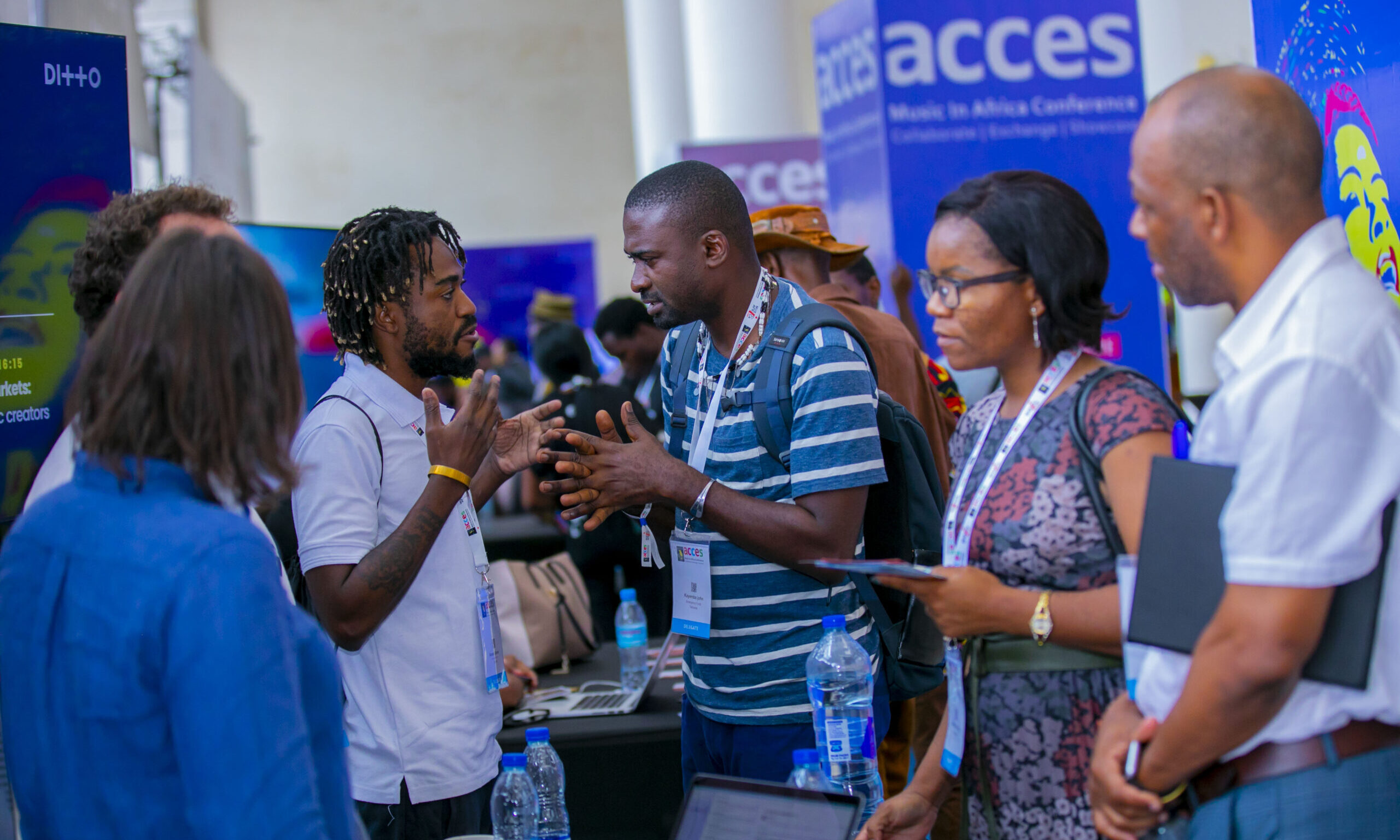
ACCES Conference and Showcase Festival is Africa's leading music industry gathering, bringing together the people shaping the future of the continent's music business. Artists, entrepreneurs, executives, investors, policymakers and cultural leaders from across Africa and around the world come to ACCES to build partnerships, exchange ideas, discover talent and create new business opportunities. Since its launch in 2017, ACCES has become the continent's premier platform for professional exchange and music market development. Combining a high-level conference with a curated showcase festival, networking, exhibitions and industry programmes, ACCES offers a unique space where creativity meets business and where African music connects with the global industry.

Gender@Work
Gender@Work

Music In Africa Gender @ Work is a three-year training programme aimed at upskilling and increasing the participation of female professionals in the African music sector. Launched by the Music In Africa Foundation (MIAF) in April 2019, the programme is connected to the MIAF’s ACCES music conference – a pan-African event held in a different African country every year. This connection enables the programme to reach new participants in a different African country every year. The programme marks the beginning of a more concerted effort by the Foundation to support the participation and inclusion of women in all facets of its programmes and the music sector in Africa as a whole. Over the three years, the programme will aim to address gender imbalances in the sector through training, lobbying, facilitating knowledge exchange and dialogues that foster the interest of women. The broader objectives of the programme are to: Provide industry training for women on critical music industry skills, focusing on: Stage management Electronic music production and recording Music business management Technical knowledge Provide an opportunity for both professional and aspiring women to benefit from the Music In Africa network and its broad range of activities in 2019, 2020 and 2021. Provide a solution-based platform in the form of a round table at ACCES with a view to identify challenges, discuss opportunities and lobby for the interests of female practitioners. Offer participants the opportunity to benefit from programmes offered by MIAF’s partners. Increase access to educational materials. Integrate participants in the broader ACCES programme to maximise experience and exposure to the industry. Record and present training materials on the www.musicinafrica.net, including but not limited to tutorials, templates and other best-practice materials. Communicate women-based themes that support the initiatives and messages of the programme. MAIN TRAINING ACTIVITIES Training in first country (Ghana): In the first year, participants will be trained on all aspects of stage management by a team of experienced stage managers from 10 to 17 November 2019. The programme will offer robust classroom training as well as practical, hands-on training in which participants will also be given the opportunity to manage various aspects of the ACCES performance programme. Training in second country: The second training iteration will take place at ACCES 2020 when the programme will diversify its course to include music production lessons and training on other music business topics. A round-table platform will also be introduced to coincide with the ACCES programme. Training in third country: The third training iteration will take place at ACCES 2021 in a different country, offering an advanced course. HOW DO YOU GET INVOLVED?  As a participant, facilitator or trainer: The programme enrolls up to 12 trainees every year. All opportunities are advertised publicly on this website, and will be added to this page. Please keep checking this page for new calls (below under UPDATES & CURRENT OPPORTUNITIES). As a partner Please contact Claire Metais at [email protected]. APPLY The call for applications for 2020 will be announced soon. The Music In Africa Gender @ Work programme is made possible with the support of the Prince Claus Fund, Siemens Stiftung and Goethe-Institut.

Sound Connects Fund
Sound Connects Fund

For cultural and creative practitioners and organisations operating in southern Africa, access to funding remains a major challenge. The COVID-19 pandemic has also had a massive impact on government policy, spending and the economy in general, and has seen spending on culture being moved further down the list of priorities. Further, the cultural and creative industries repeatedly cite four main areas where investment is needed for growth, which are increased visibility, mobility including access to new markets, finance and support structures.

Instrument Building And Repair Project

Experience the Vibrations African Instruments Exhibition online in 3D

News

SAMRO boss Sipho Dlamini steps down

22 Feb 2016 - 10:31

cc-img flag-img

After nearly three years at the helm of one of Africa’s leading copyright administration organisations, the Southern African Music Rights Organisation (SAMRO), CEO Sipho Dlamini will be stepping down at the end of March 2016 to pursue other business interests.
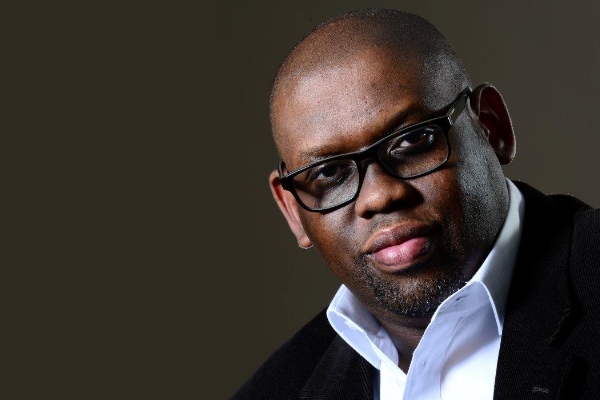
Outgoing SAMRO CEO Sipho Dlamini.

Reverend Abe Sibiya, Chairperson of the SAMRO Board, has been appointed by the board to act as interim CEO, for the hand-over period effective from Monday 22 February 2016. Deputy Board Chair Sibongile Khumalo will take the reins as chairperson during the transitional period until a new chief executive is appointed.

Dlamini joined SAMRO at the beginning of 2012 as General Manager: Marketing and Business Development following an illustrious career in international live event production, artist management and the record industry. He was promoted to Deputy CEO at the beginning of 2013 and was appointed CEO in July that year. In that capacity, Dlamini was an active member of the International Confederation of Societies of Authors and Composers (CISAC), sitting on its Board of Directors as well as its Executive Governance Committee.

During his time at SAMRO, Dlamini presided over SAMRO’s difficult but successful conversion to a non-profit company without negatively impacting on either members or employees. At a time of economic difficulty and radical changes in the way people consume music, under his watch SAMRO increased its revenue collection from licensees (and therefore its music royalty distributions to members), improved its member benefits (such as funeral cover) and brought down its cost-to-income ratio.

The collecting society also made some much-needed improvements to its information technology infrastructure, moving to a new portal system that enables SAMRO members to manage their accounts and notify their works online. At the same time, it has improved members’ access to SAMRO by establishing contact centres across the country.

“Having been closely involved in the record industry myself, one of the highlights of my time at SAMRO has been the resolution of the long-running Needletime rights impasse,” said Dlamini. “Thanks to an agreement being reached, recording artists and session musicians who were members of our subsidiary POSA [the Performers’ Organisation of South Africa] were finally able to access millions of rands in unpaid royalties for the public performance of their recorded works.”

Big shoes to fill

“Sipho has been a revelation and a great find for SAMRO,” said Sibiya. “His hunger to win, his strategic focus and his keen interest in innovation, as well as the importance of building strong relationships, has been part of the mix in him leading SAMRO to various breakthroughs during his tenure.

“However, it was evident that such talent wasn’t going to dance on just one stage for a long time. Having said that, his inspired leadership will remain with SAMRO for posterity,” added Sibiya. “I am confident South Africa will soon be hearing more from this man, especially in the world of business, for which he is ideally equipped.”

Dlamini said he is sad to be leaving SAMRO, but believes the organisation rests on a solid bedrock and is being left in capable hands. “I have full confidence that Rev Abe Sibiya will continue to fly the flag for our music creators to receive fair remuneration for their hard-forged intellectual property. Under his stewardship, I have no doubt that SAMRO will continue to thrive.”

Sibiya, an ordained priest, has been in the local entertainment industry for more than 25 years. A decorated composer, publishing executive and media entrepreneur, he was instrumental in setting up two television channels (including ONE Gospel) and a commercial radio station.

“I am humbled to have the opportunity to add value to an organisation that I have grown to love as a composer member, Chairperson of the Board and now acting CEO,” said Sibiya. “The first order of business will be to begin the process of searching for a new chief executive to be appointed by the board, who will continue to lead the organisation. I will also study the internal workings, interrogate historic assumptions, go through the current strategy and check on the efficacy of implementation. I have always admired Sipho’s focus on building a high-performance organisation, and will be looking to continue that.”

Sibiya intends to focus on strategy and on maintaining local and international relationships, to “create a vibrant, transformed, dynamic and successful organisation that continues to innovate. Ultimately, money must flow to our hard-working members – composers and publishers.”

Please log in to post a comment.

Most popular

Disclaimer: Music In Africa provides a platform for musicians and contributors to embed music and videos solely for promotional purposes. If any track or video embedded on this platform violates any copyrights please inform us immediately and we will take it down. Please read our Terms of Use for more.

newsletter banner

Subscribe to our monthly Newsletter

Follow us on social media