
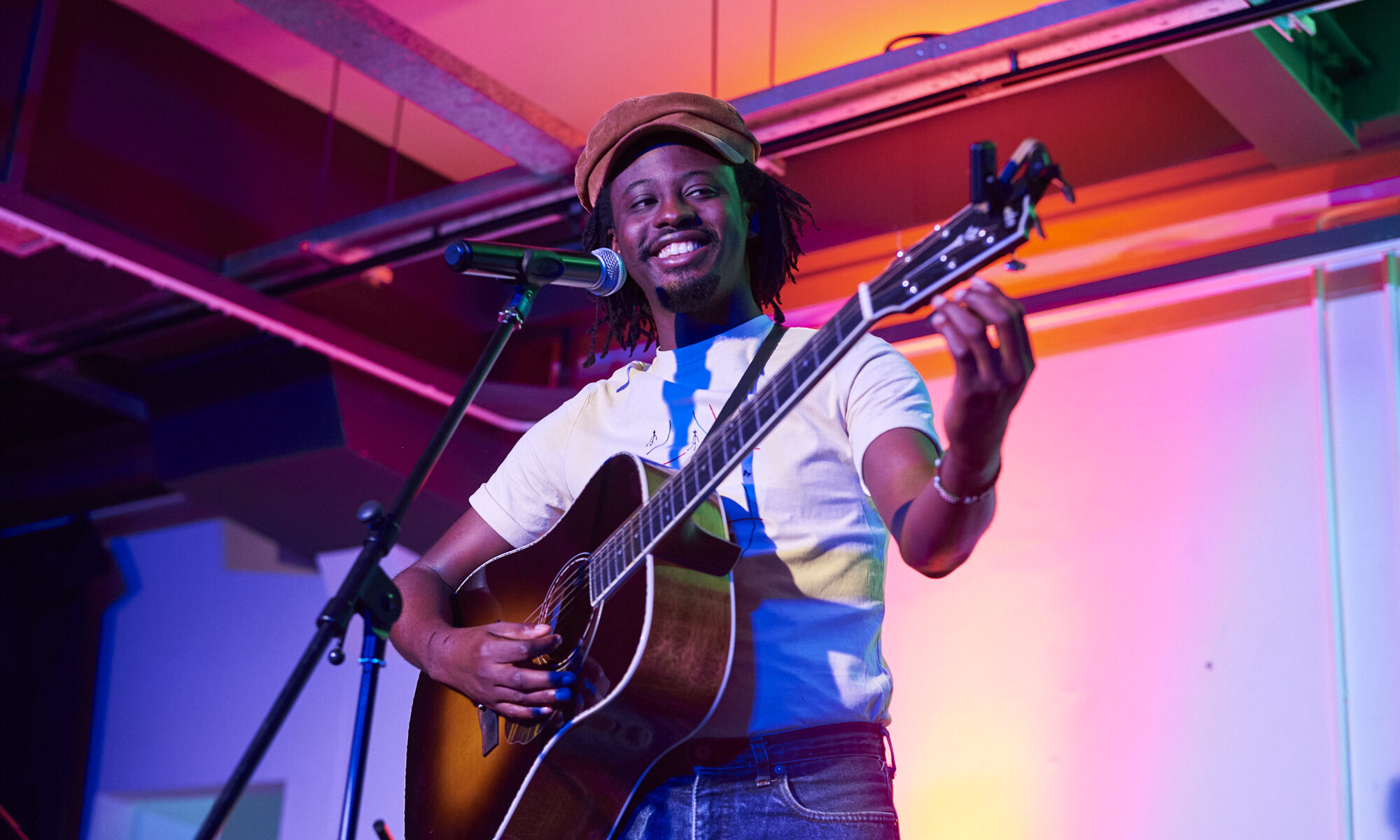
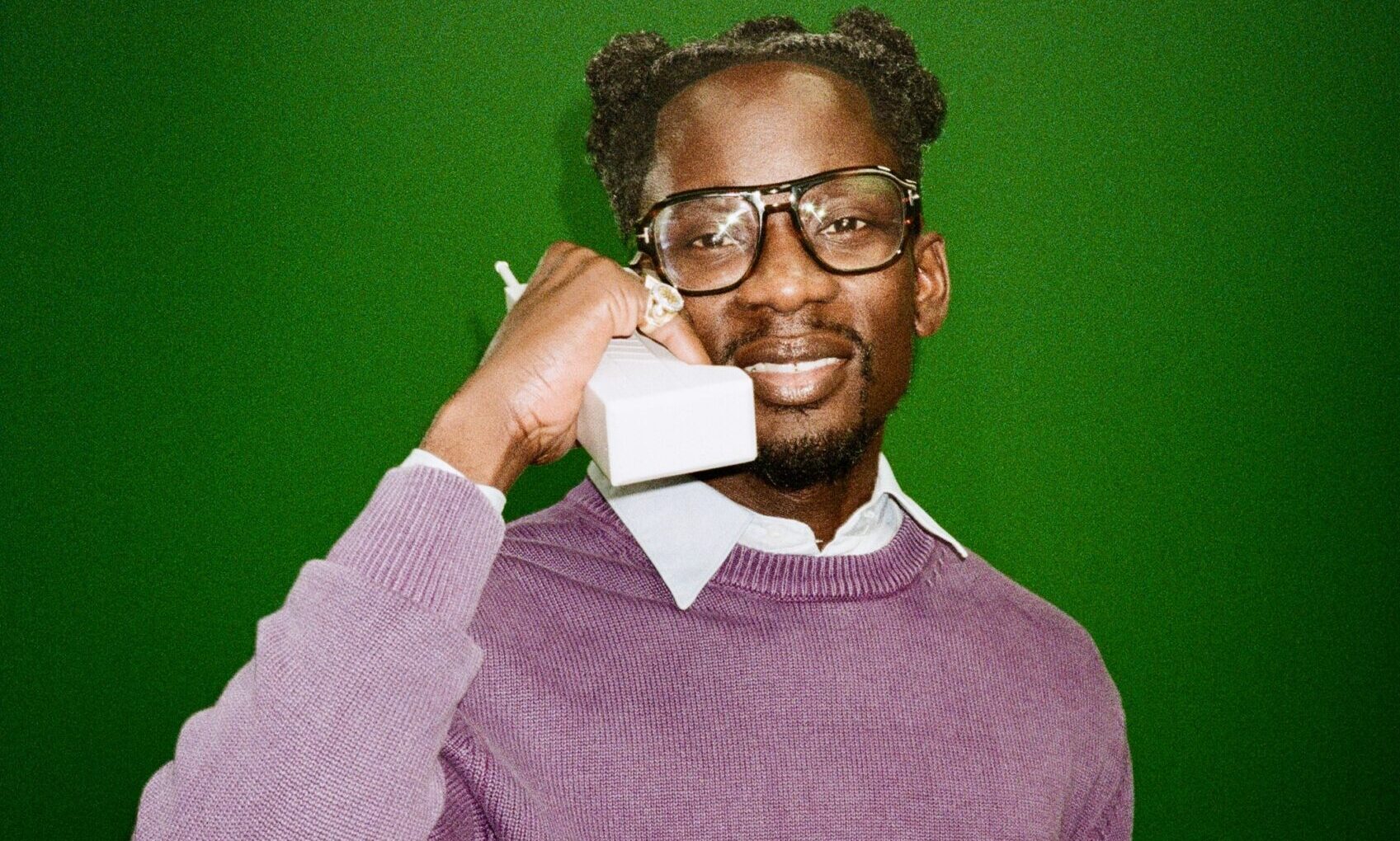












































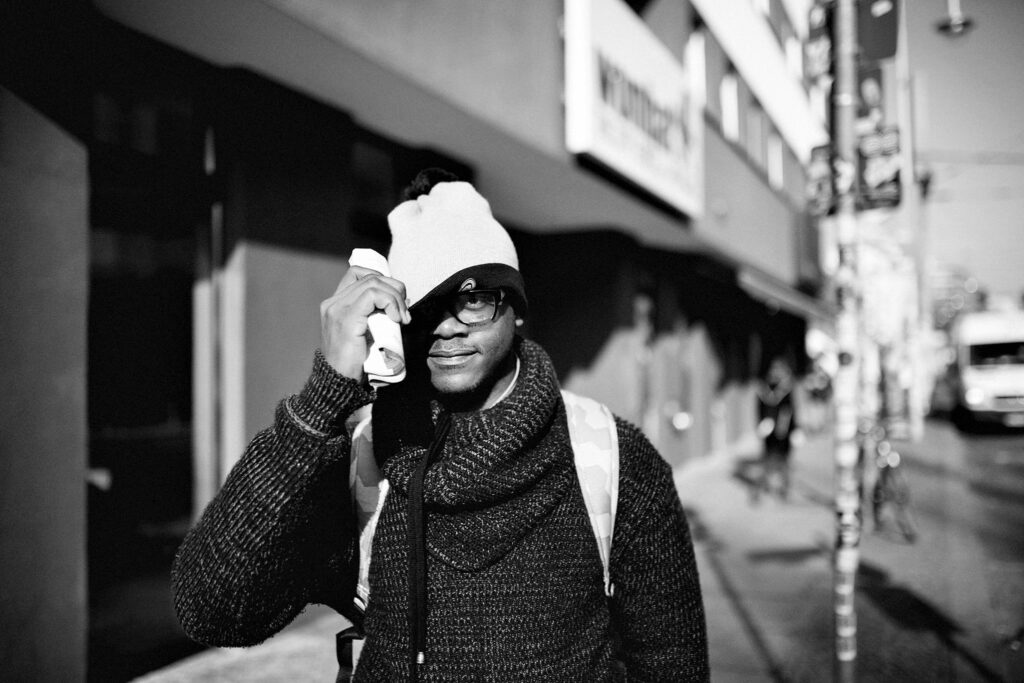


A few weeks ago the artist Mr Eazi caused a bit of a controversy on Twitter. "The Naija sound," he said, "owes a lot to Ghana."
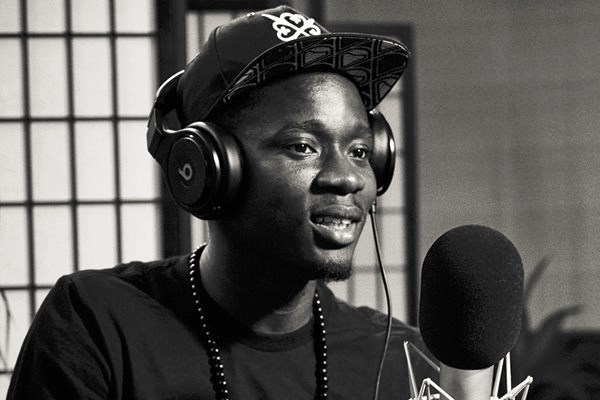
Responses to the tweet ranged from the vituperative to the patriotic. Most of what these tweets had in common was the social media penchant for anger.
The other unifying factor is a mixture of ignorance and the Nigerian version of patriotism, which roughly goes thus: foreigners can't insult us, and defend our country in public.
The latter item is incurable: Nigerians will be Nigerians. But maybe we can some of that ignorance can be replaced with some knowledge.
What passes for the Nigerian sound today is indefinable, and when it's not, it's a mix of many things. The word fusion is thrown around by Nigerian pop acts. Artists as diverse as Davido and Falana have used the word as description for their music. Temi Dollface says drama soul; the coinage is a fusion of drama and soul. Feel free to liberal with the hyphen when describing Nigerian music. Most of these artists were raised in the 1990s, a period in which American music was dominant and what you heard on radio was mostly R&B. Banky W, Wande Coal, Asa, 2face all have it in their music. The other common sound is highlife. Wizkid, Reminisce, Davido, Flavour, MI all have songs partly or fully in the genre, with the modifications here and there. And here is where Ghana comes in.
Highlife was formed by the confluence of three sounds:
Ghanaians were the first to bring it into reckoning. Perhaps courtesy of the size of Nigeria, we made it into something to be celebrated. The maestors Victor Olaiya and Uwaifo. And Fela all had a Ghanaian phase. Fela took merged jazz with highlife and the result was afrobeat. A similar thing can be found today when you hear a sound like Tekno's Pana. The modern swiftness of the beat collides with the unmistakably Nigerian cadence of the man's voice and words. Even if every culture had a girl named Folake, only a Nigerian suitor will woo her with the words "Folake give me love..." All of the words therein are English, but together, the sentence is Nigerian.
Part of Eazi's contention was the word today, and a few people may want us to start from the recent sounds. If you take away highlife what's left? A lot of Ghanaian influence still. The easiest way to parse this influence is to ask: how have the major artists taken to it? And there you see how.
Wizkid, P-Square, Olamide all have used azonto. Perhaps because there's no real sound, few Ghanaians have done so. They use us for celebrity. We use them for their sound. Maybe there's no contest. Only symbiosis


Most popular

Top Naija songs of 2026
31 Mar 2026

Top amapiano songs of 2026
16 Feb 2026

Top Afrobeats songs of 2026
19 Mar 2026
Call for applications: ACCES 2026 Emerging Artist Spotlight Competition
01 Oct 2026

AFRIMA 2026: All the winners
12 Jan 2026
CAPASSO backs global principles for fair generative AI music licensing
06 Oct 2026
Disclaimer: Music In Africa provides a platform for musicians and contributors to embed music and videos solely for promotional purposes. If any track or video embedded on this platform violates any copyrights please inform us immediately and we will take it down. Please read our Terms of Use for more.

Subscribe to our monthly Newsletter
Follow us on social media


Please log in to post a comment.