











































The worlds of music and fashion are almost inseparable. They both emanate from creativity and sometimes ingenuity. Very few words are used in fashion, the material speaks and has the ability to make people feel good when they put on garments they like while music brings forth inspiration through words and rhythm. A marriage of the two arts is an orgy of creativity that can attract and stimulate audiences from both worlds into one, everlasting feel-good sensation.
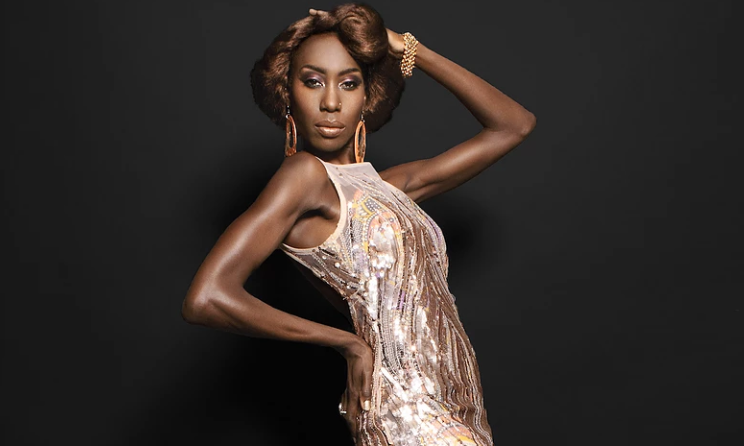
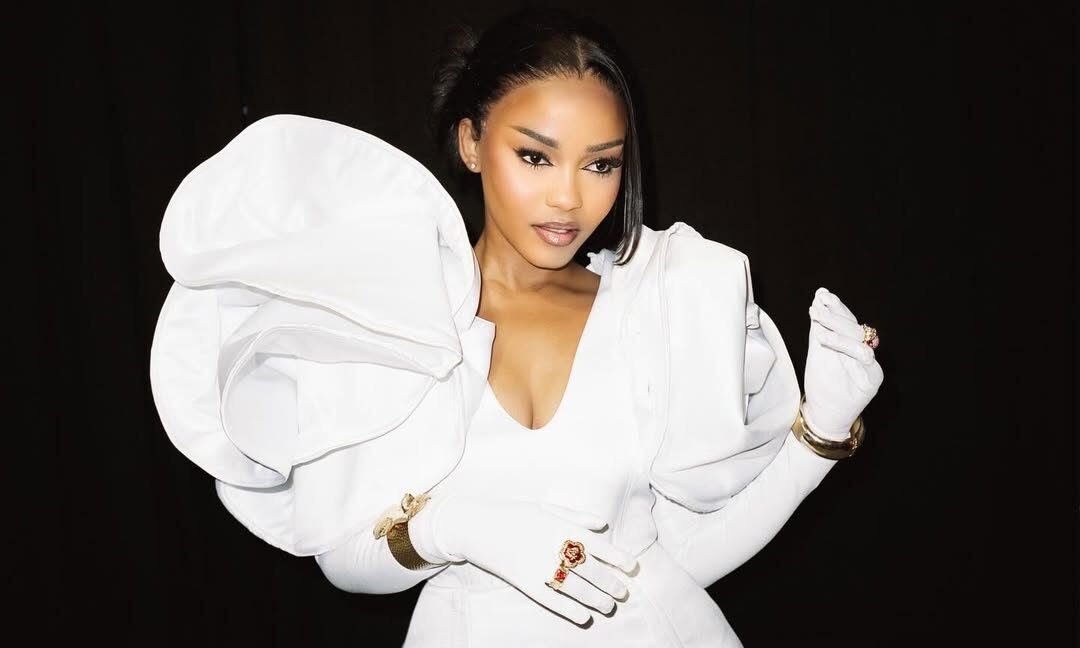
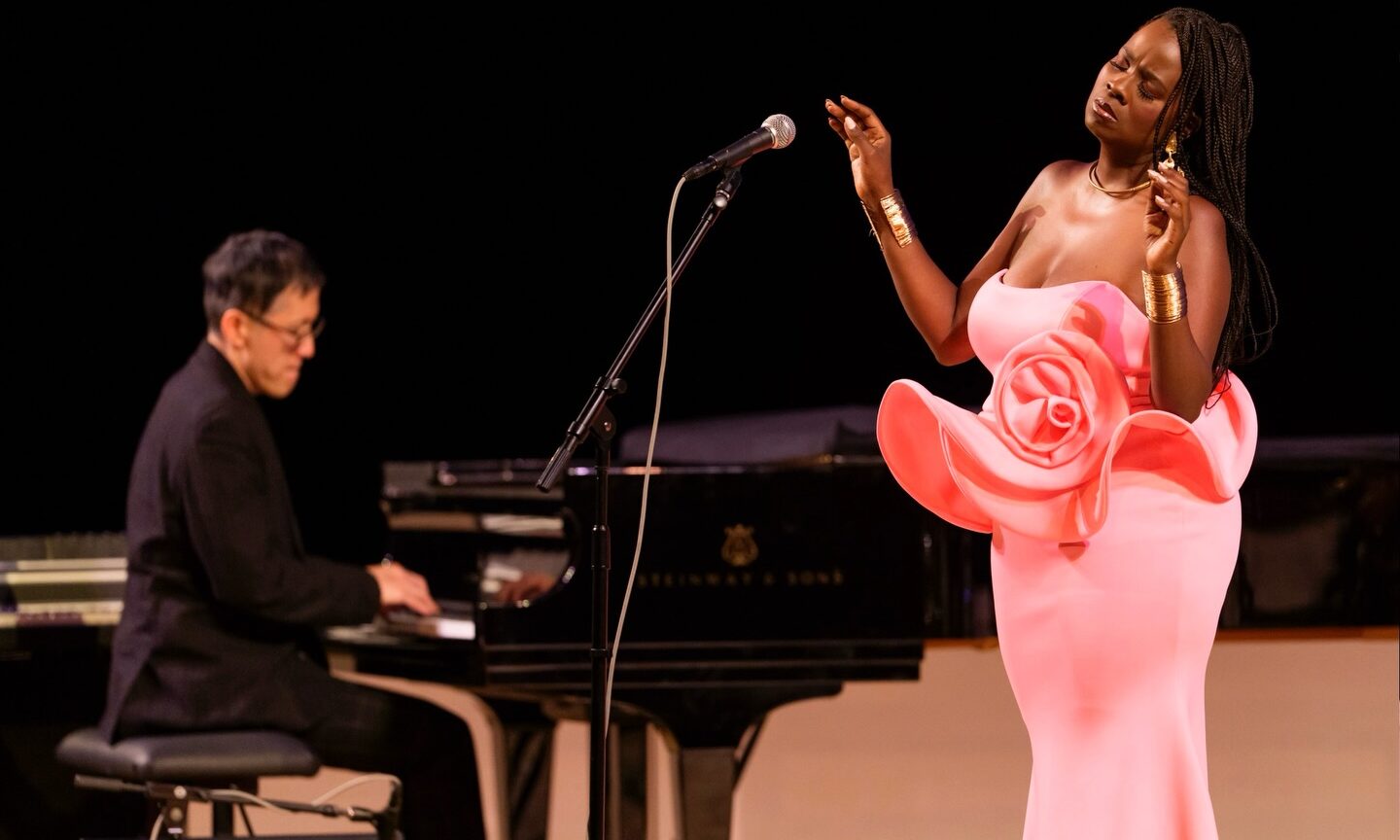
Liz Ogumbo is a Kenyan lyricist and fashion icon who shows dexterity in executing music and moda. With over 20 years of runway experience, Ogumbo runs a fashion boutique and style consultancy for women who, like herself, are bold, elegant and exude confidence. She also has her own wine brand Liz Ogumbo Wine and hosts the radio show Fashion Lab Africa.
She began singing at home in Kenya, where she had music for breakfast lunch and supper. Her appetite for music grew, and she eventually released her debut album Kensoul – a portmanteau of Kenya and soul – in 2010. Ogumbo also produces the radio show
Liz Oguma has a demanding presence that is matched by her vivacious personality and a straight-to-the-point attitude. I sat down with the singer, model and entrepreneur to hear her story about the amalgamation of music and fashion.
The African music sector is structured in such a way that artists usually blow-up in other countries before they make it in their home countries. What is your personal take on this phenomenon?
I am an African ambassador and no one can take that away from me. And I don’t have to prove it. I’m just doing what I do and I don’t have to explain it to anyone. I think the biggest thing for me is what we are doing and what we are building its’s not about who approves. As long as I approve and as long as I am in charge of my journey I don’t’ think I should explain to anyone. About what I’m doing. Cos what I’m doing is what I’m doing and it speaks for itself. You’d also know that I’m in fashion and the situation is the same in fashion. I actually get more buyers from outside of Africa.
It’s not news for me. I don’t wanna define my music as underground. I’m at a space where everyone is saying stop using that word because what we’re doing is music. You can consume it if you want to, if you don’t like it you can buy a dress or if you don’t like the dress you can buy my wine. Buy something.
I feel like I’m very in charge of my journey and my creative stories. I also spent a lot of time in the US. So I’m not scared. I ain’t never scuurd. It’s about aligning myself with organisations or booking agents who get it. In Nigeria they say, who no know, go know. If you don’t know now you will know. We are constantly moving. That’s how I feel. I know about it, I just don’t talk about it. If we wanna focus on building, we have a lot to offer to the world, there are a lot of stories that we can tell.
You have always loved the creative artists how did you end up doing computer sciences?
The way that I grew up in Kenya is that parents would sit us down after high school and ask which country do you like? Where do you wanna go and you’d say. And they give you an option of what you gonna study, will it be medicine. Computer science want for me it was for my parents. I did it just to complete it. I worked for Microsoft, but mainly for the French clients. Which is funny because in the US I always told people that I can speak French but I’m not Francophone.
I was operating in a space where there were not enough French speakers they just said Liz you gonna handle all the French clients. I did that degree, gave it to my parents and started my own life.
When did you discover that you could actually sing and did you see yourself doing it professionally?
I’ve always known that I could sing, music is in my soul, I was born into music. My dad taught us music. The music was commercial but it was like out of 24 hours we sang for 5 hours. You sing when you’re cleaning, you sing when you’re walking, you sing when you’re talking and when you pray. It’s in the DNA.
I am named after my great great grandmother who was also a singer and one of the wealthiest women in her time. A lot of people say I remind them of her, creatively.
Music was never something I thought I would do professionally. I modelled for 20 years, everybody knew me for fashion, and I tried to get into music, there was a lot of push back WHEN IT CAME TO DOING THE TRASNSTION. In 2001 I met Andre Manga who was a bassist for Manu Debangu. There were cool spaces he took me where we could experience music.
When I went into studio with him he couldn’t believe it and told me that I could get into singing. I later met Ian Martin he was constantly asking me to come and do vocals, and I wondered to myself why he was always calling me for the sessions.
When did you have your first performance after all the recording sessions?
My first album was released in 2010 and that is literally the first time I started performed live. I had performed a little bit before at jazz nights in Kenya that I had started with Blinky Bill and Sauti Sol. That was the group that agreed that more music spaces were needed. At that time Genge dominated.
I started a project Words and Pictures with the British Council and I tried to get all the hottest graffiti artists, poets, rappers and other music. We created a hub and attracted about 3 000 people once a month and it grew into other countries as well. I didn’t expect it to go to Nigeria and Tanzania.
My thing about music in Kenya is that it wasn’t the way it is now where you see Sauti Sol filling up venues. It was different people, the smaller unknown guys who were only known in their areas were the ones who filled venues.
How did you go about creating your debut album Kensoul?
I met a South African guy who asked me if I have a demo, He asked me for a demo which I gave to him and Gallo said they were interested and asked me if I was ready to do an album. Not even a single, a whole album.
So I got into studio, I worked with RJ Benjamin. I got into studio during the SA world cup. I asked for live everything. That’s just the way I preferred making music. In a month we were ready with the album.
At that point I saw that there was there was a fire in me and a space for me in this game. Second album.
How did you create a balance between fashion and music after you released your album?
It’s hard to do fashion and music. If I had to be in fashion weeks around the world I would lose my mind. Because the planning is very intense. This year, I had to take the decision to focus on music and try it differently. I went of the music radar for 7 years.
Did you not release anything in those 7 years?
I released consecutive singles and thought to myself that it is a joke. Last year I dropped 4 singles. But I thought to myself it is better to take my time, bang out three or four more songs and release and album.
I went into studio with Kevin Leecher who is the producer of the new album and he said “You’re crazy”. He likes order and I am scattered. That’s the way I made music. When he’d tell me songs are in complete I just told him to mix and master it.
Because Kevin comes from a rock background, I had to teach him chakacha and reggae. I played him Sanchez, Buju Banton just to make him understand the kind of sound that I was going for. He produced this album but he had to sit with me and learn. What I want him to do.
Because I had a Scandinavian producer, people the second album didn’t sound so BEE. But it’s my story and my music and this was the kind of sound I wanted.
Your music has a poetic element in the lyrics, have you always been a poet?
I am not sure that I am a poet, I am a lyricist. I have stories to tell and I have to make sure that I speak what I want to speak without people feeling overwhelmed.
Your music videos are an interesting blend of fashion and music. Who is responsible for the artistic direction, particularly in the 'Watchyu Know About Her'?
I’m responsible for the artist’s direction of the music videos. Music is fashion and fashion is music. I remember saying lets shoot and music video and I selected this one. I walked into my showroom and said I need 6 looks that were African.
I know what emotions I want to evoke. I first wanted to do various girls and then I looked at a list of potential models and I released we wouldn’t be able to get all the models in the same space because of distance. I then wanted to play around with Green screen, I then thought of little girls, I also tried animation and that didn’t work that’s how I needed up the only person in the video.


Most popular

Top Naija songs of 2026
31 Mar 2026

Top amapiano songs of 2026
16 Feb 2026

Top Afrobeats songs of 2026
19 Mar 2026
Call for applications: ACCES 2026 Emerging Artist Spotlight Competition
01 Oct 2026
AFRIMA 2026: All the winners
12 Jan 2026
CAPASSO backs global principles for fair generative AI music licensing
06 Oct 2026
Disclaimer: Music In Africa provides a platform for musicians and contributors to embed music and videos solely for promotional purposes. If any track or video embedded on this platform violates any copyrights please inform us immediately and we will take it down. Please read our Terms of Use for more.

Subscribe to our monthly Newsletter
Follow us on social media


Please log in to post a comment.