



































NEFCISA
NEFCISA

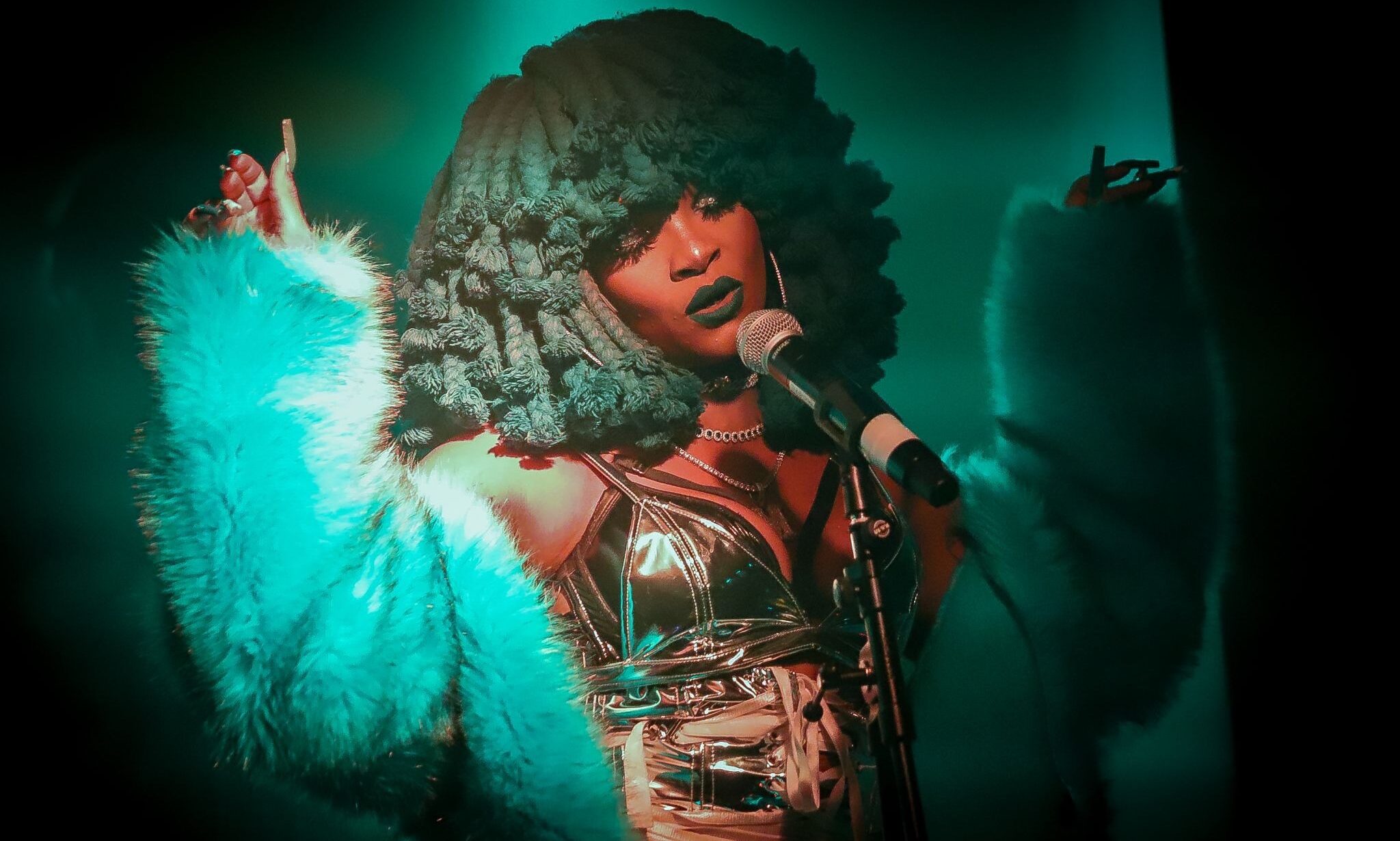
The Music In Africa Foundation (MIAF) is proud of its partnership with the Industrial Development Corporation (IDC) as a Strategic Implementing Partner (SIP) for its Social Employment Fund (SEF). Through this collaboration, MIAF is running a national programme that is creating jobs, addressing skills gaps, and strengthening South Africa's creative industries — in line with the SEF's overarching goal to generate work for the common good and build community value through employment, social contribution, and inclusive economic participation. Operating under the banner NEFCISA (National Employment Facility for Creative Industries in South Africa), the initiative is recruiting and training participants, matching them with host organisations, and has already placed 1 500 workers across the country — surpassing its original target of 1 000. NEFCISA is delivered through a network of 20 host organisations spanning five provinces, who are actively hosting participants and contributing to work for the common good across South Africa's creative and cultural industries. Key Objectives: Support employment and entrepreneurship in the creative industries. Offer skills development and training programmes. Foster partnerships between public and private creative sectors. Promote South African creativity at both provincial and national levels Foster community development through social contribution.

ACCES
ACCES

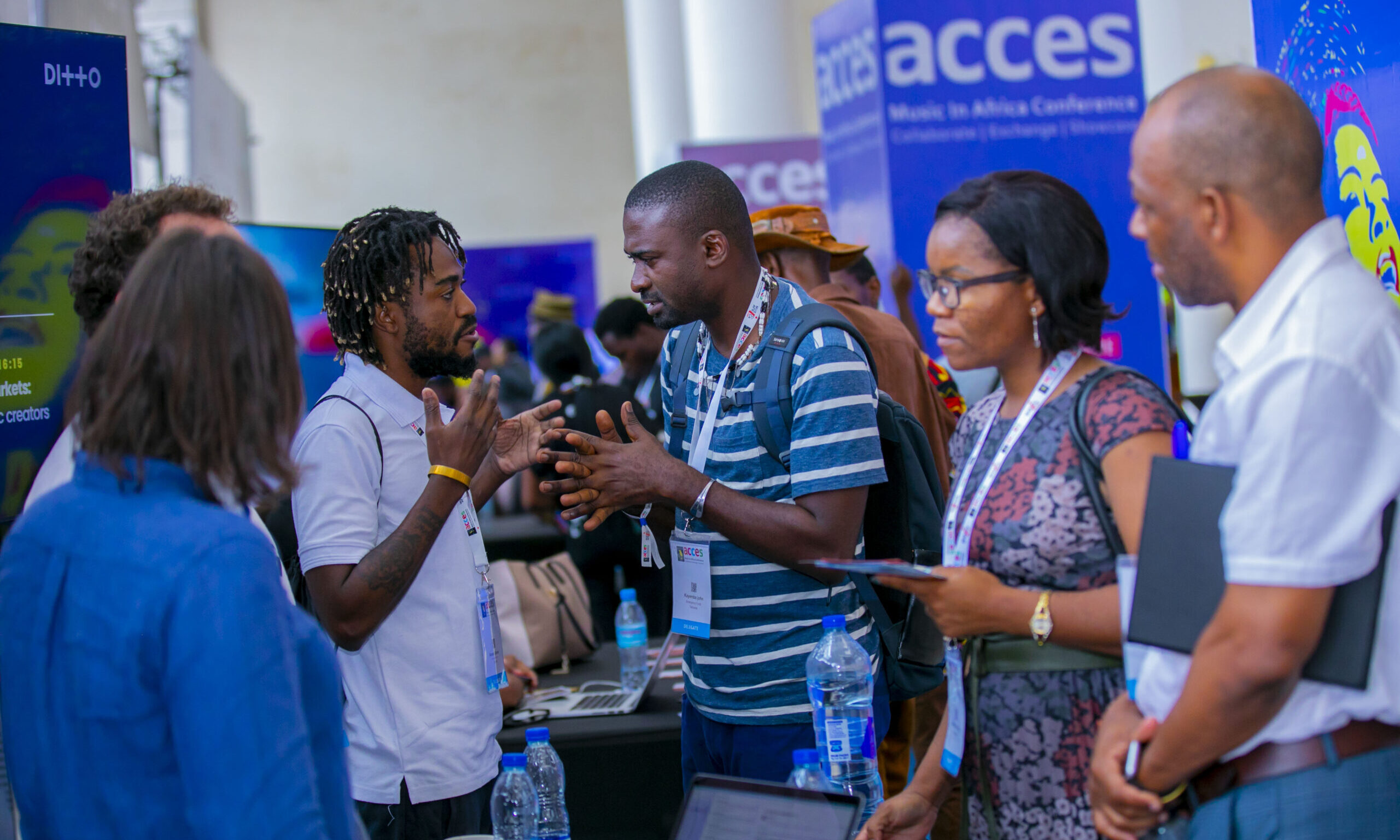
ACCES Conference and Showcase Festival is Africa's leading music industry gathering, bringing together the people shaping the future of the continent's music business. Artists, entrepreneurs, executives, investors, policymakers and cultural leaders from across Africa and around the world come to ACCES to build partnerships, exchange ideas, discover talent and create new business opportunities. Since its launch in 2017, ACCES has become the continent's premier platform for professional exchange and music market development. Combining a high-level conference with a curated showcase festival, networking, exhibitions and industry programmes, ACCES offers a unique space where creativity meets business and where African music connects with the global industry.

Gender@Work
Gender@Work

Music In Africa Gender @ Work is a three-year training programme aimed at upskilling and increasing the participation of female professionals in the African music sector. Launched by the Music In Africa Foundation (MIAF) in April 2019, the programme is connected to the MIAF’s ACCES music conference – a pan-African event held in a different African country every year. This connection enables the programme to reach new participants in a different African country every year. The programme marks the beginning of a more concerted effort by the Foundation to support the participation and inclusion of women in all facets of its programmes and the music sector in Africa as a whole. Over the three years, the programme will aim to address gender imbalances in the sector through training, lobbying, facilitating knowledge exchange and dialogues that foster the interest of women. The broader objectives of the programme are to: Provide industry training for women on critical music industry skills, focusing on: Stage management Electronic music production and recording Music business management Technical knowledge Provide an opportunity for both professional and aspiring women to benefit from the Music In Africa network and its broad range of activities in 2019, 2020 and 2021. Provide a solution-based platform in the form of a round table at ACCES with a view to identify challenges, discuss opportunities and lobby for the interests of female practitioners. Offer participants the opportunity to benefit from programmes offered by MIAF’s partners. Increase access to educational materials. Integrate participants in the broader ACCES programme to maximise experience and exposure to the industry. Record and present training materials on the www.musicinafrica.net, including but not limited to tutorials, templates and other best-practice materials. Communicate women-based themes that support the initiatives and messages of the programme. MAIN TRAINING ACTIVITIES Training in first country (Ghana): In the first year, participants will be trained on all aspects of stage management by a team of experienced stage managers from 10 to 17 November 2019. The programme will offer robust classroom training as well as practical, hands-on training in which participants will also be given the opportunity to manage various aspects of the ACCES performance programme. Training in second country: The second training iteration will take place at ACCES 2020 when the programme will diversify its course to include music production lessons and training on other music business topics. A round-table platform will also be introduced to coincide with the ACCES programme. Training in third country: The third training iteration will take place at ACCES 2021 in a different country, offering an advanced course. HOW DO YOU GET INVOLVED?  As a participant, facilitator or trainer: The programme enrolls up to 12 trainees every year. All opportunities are advertised publicly on this website, and will be added to this page. Please keep checking this page for new calls (below under UPDATES & CURRENT OPPORTUNITIES). As a partner Please contact Claire Metais at [email protected]. APPLY The call for applications for 2020 will be announced soon. The Music In Africa Gender @ Work programme is made possible with the support of the Prince Claus Fund, Siemens Stiftung and Goethe-Institut.

Sound Connects Fund
Sound Connects Fund

For cultural and creative practitioners and organisations operating in southern Africa, access to funding remains a major challenge. The COVID-19 pandemic has also had a massive impact on government policy, spending and the economy in general, and has seen spending on culture being moved further down the list of priorities. Further, the cultural and creative industries repeatedly cite four main areas where investment is needed for growth, which are increased visibility, mobility including access to new markets, finance and support structures.

Instrument Building And Repair Project

Experience the Vibrations African Instruments Exhibition online in 3D

News

Freemuse report exposes shocking realities facing female musicians
03 Dec 2018 - 12:44

cc-img flag-img

A disturbing report released by Freemuse in partnership with Danish research institute KVINFO has ranked Egypt as the world's leading country of artistic rights violations against women.

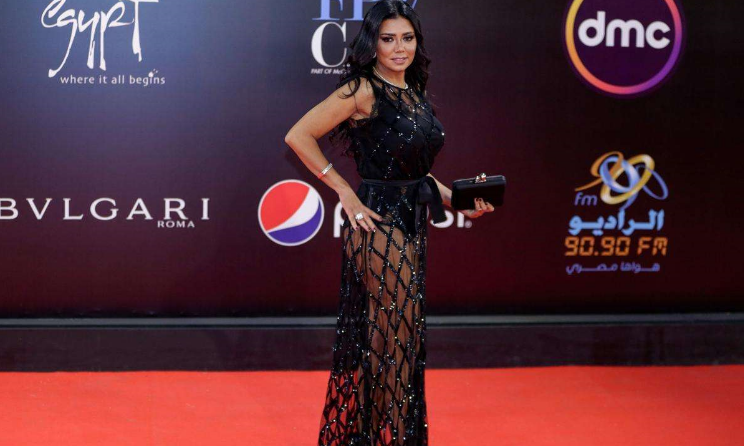
Egyptian actress Rania Youssef was charged recently with 'inciting debauchery' for wearing a revealing dress at the Cairo International Film Festival.

Titled Creativity Wronged: How Women’s Right to Artistic Freedom Is Denied and Marginalised, the report is based on five years of research and lists Afghanistan, Bolivia, Cambodia, Egypt, India, Iran, Japan, Nigeria, Pakistan, Saudi Arabia and Turkey as the main "countries of concern".

It says women account for 89% of all artistic violations in Egypt. The study also finds that the North African country contributed 20% of all artist expression violations globally.

“Sexual harassment and violence against women is extensive and part of everyday life in Egypt,” the report says. “Women artists have become particularly vulnerable to charges related to their art, which are often justified by accusations of indecency and violating public morals.”

The report was released just days before 45-year-old Egyptian actress Rania Youssef was charged with "inciting debauchery" for wearing a revealing dress at the Cairo International Film Festival. She could be jailed for up to five years if found guilty, the BBC reported. Last year, Egyptian singer Shaimaa Ahmed was sentenced to a year in prison for eating a banana in the ‘I Have Issues’ video.

Other African countries that have been mentioned in the report include South Africa, Uganda, Mauritania, Morocco, Senegal, Ghana, Somaliland and Burundi. A law in Burundi that prohibits women from playing drums makes a central appearance in the report, which also highlights a 2016 incident in Somaliland where the Minister of Religious Affairs, Sheikh Khalil Abdilahi Ahmed, ordered the cancellation of a concert by female singer Nasteexo Indho. It is believed that religious leaders approached the minister with ‘indecent’ video recordings of the singer’s previous performances in Europe.

Meanwhile, the report says the governments of the 11 countries that are most prominently featured in the report are responsible for 65% of all violations on female artistic rights. The other institutions accountable for high incidents of artistic rights violations include social media platforms (16%), artistic communities such as festivals and galleries (11%) and private education institutions (8%).

“These violations show that the protection guaranteed to women artists globally has not yet met the satisfactory level of implementation in national contexts, while a number of states still remain tied to discriminatory laws,” the report says.

The research also reveals that 40% women working in the music sector are affected. They are followed by women in the visual arts and dance, theatre and literature sectors at 27% and 19% respectively.

“Women remain outnumbered in the cultural sector, stifled in the name of religion or tradition, restricted by strict domestic legislations, and exposed to sexist and misogynist comments and various forms of harassment,” the report says.

In addition, Freemuse says 34% of female artists have been threatened, harassed or persecuted. Seventeen percent have been imprisoned or detained, 3% physically attacked, 3% prosecuted, sanctioned or fined, 1% were killed and 2% of artworks featuring women or made by women were destroyed or damaged.

“In a number of countries, many women making a living as artists, or wishing to engage in artistic careers, particularly in the area of cinema, theatre, dance and music, continue to be labelled as ‘loose’ or ‘prostitutes’,” the report says.

Freemuse urges governments to “formulate comprehensive laws that tackle gender discrimination in all its forms and amend existing laws that facilitate gender discrimination”.

It also challenges NGOs human rights bodies to “allocate resources to effectively monitor and document more systematically violations of the right to freedom of artistic expression and creativity, taking into consideration discrimination and bias against women and women artists".

Read the full report here.

Please log in to post a comment.

Most popular

Disclaimer: Music In Africa provides a platform for musicians and contributors to embed music and videos solely for promotional purposes. If any track or video embedded on this platform violates any copyrights please inform us immediately and we will take it down. Please read our Terms of Use for more.

newsletter banner

Subscribe to our monthly Newsletter

Follow us on social media