





















































Content piracy: Kenya’s little understood multibillion shilling crime
29 Apr 2022 - 09:34


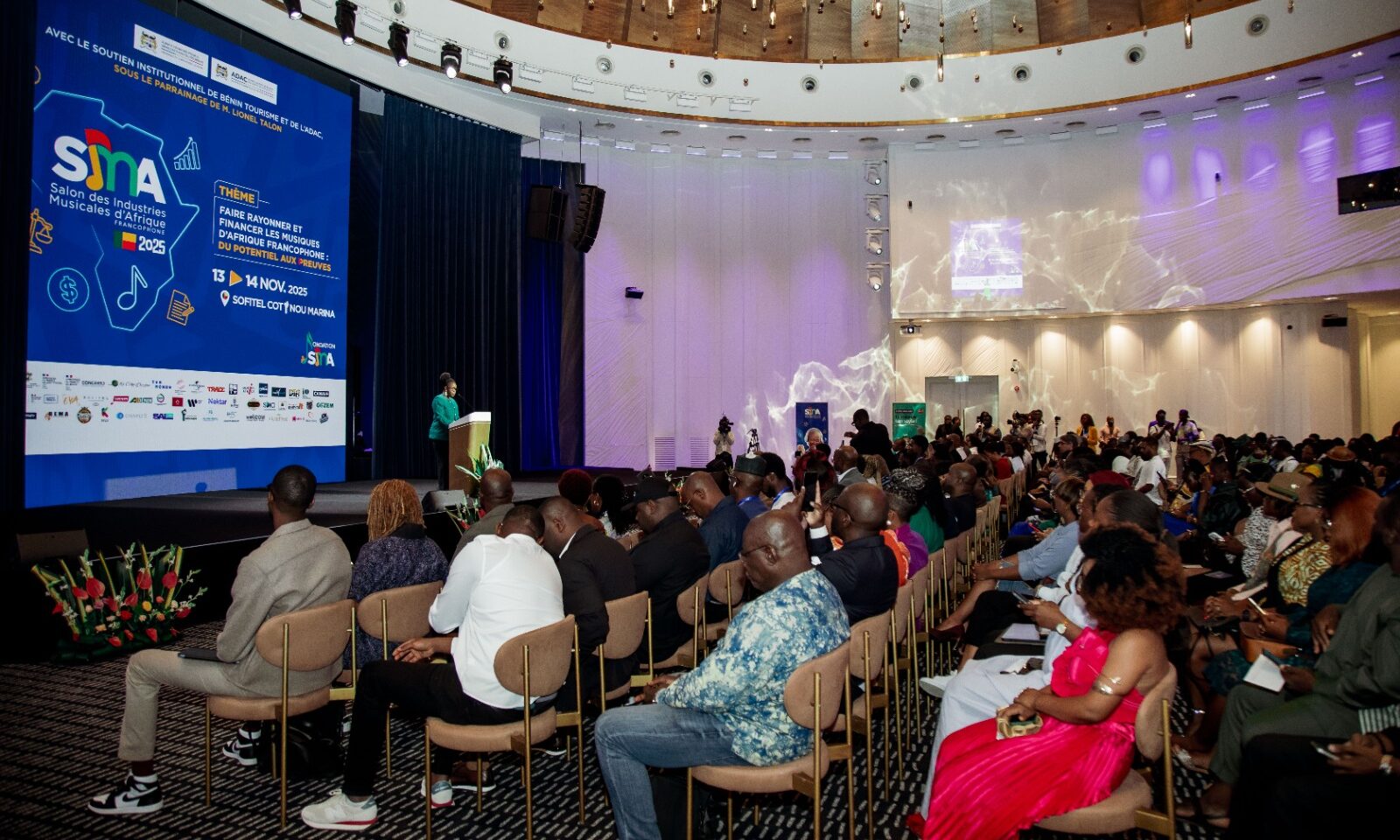
A simple yet profound question was thrown at a group of about 100 people gathered to mark World Intellectual Property Day in Kenya’s capital Nairobi on 26 April. A participant wanted to know if there was anyone present in the room who had never engaged in a single act of content piracy. Not a single hand shot up.

That those in attendance were some of the country’s leading creatives, industry executives and intellectual property (IP) law experts speaks volumes about the culture of content piracy in Kenya.
The statistics are grim. In December 2021, Partners Against Piracy (PAP) released a report based on the PwC Entertainment and Media Outlook 2019-2023 study, which shows that the country’s creative industry loses close to Ksh92bn ($790m) annually, or about Ksh250m a day. Put more starkly, between 90% and 95% of content revenue is lost to pirates. Additionally, piracy costs the government more than Ksh12.69bn in value-added tax, Ksh2.49bn in corporation tax, Ksh1.07bn in income tax for residents, and Ksh 1.13bn in income tax for non-residents.
Kenya’s mean age currently stands at 20.1 years and the creative sector could offer a viable alternative to solving the country’s chronic youth unemployment problem. But for this to happen, proper structures need to be put in place to unlock its full potential and allow young people to earn from their talent.
This is in line with the theme of the 2022 World Intellectual Property Day – IP and Youth: Innovation for a Better Future. But how can young people fully reap the benefits of their work when piracy is gobbling up a big chunk of potential earnings?
This is an area that PAP is aiming to ameliorate through public sensitisation. Established in 2019, PAP is a multi-sectoral coalition of local and international associations, societies and companies representing the interests of creatives in Kenya and around the world by protecting their IP and fighting against piracy.
One of PAP’s central figures is its interim convenor Mike Strano, a leading entertainment entrepreneur who believes that ignorance is to blame for the pervasive practice.
“First and foremost, we need to understand that piracy is a crime. If you walk off this meeting knowing that piracy is a crime, we will have achieved part of our objective,” Strano said as he took the gathering through a detailed analysis of the effects of piracy on the nascent industry. For PAP, there is a critical need to start a conversation and educate the masses on the dangers of piracy.
“There is an urban myth that piracy is a victimless crime, but the victims are the creatives, their families and our communities,” Strano added. “Pirates do not register their businesses and do not pay tax. They also do not create employment. Reducing piracy in Kenya can create at least 50 000 jobs. Online piracy is a cybercrime perpetrated by terrorists and global criminal syndicates, and must be dealt with through stakeholder participation, especially internet service providers [ISPs].”
MultiChoice Kenya managing director Nancy Matimu also highlighted the importance of education about the issue. “I get to interact with many business leaders, lawmakers and consumers alike who always touch on our price point, but they do not seem to understand that piracy takes away from the revenue streams of creatives,” Matimu said. “There are small businesses distributing content on various ISPs but they do not know that they are actually participating in a crime. Piracy sensitisation is the only way we will safeguard the future of our youth.”
Although Kenya has a Copyright Act that is lauded at various levels of the cultural and creative industry in the country, it remains largely ineffective due to the non-execution of some of its provisions. This is why PAP is calling for the implementation of ISP provisions stipulated in the act, namely sections 35B, 35C and 35D, in cooperation with Kenya’s service providers.
Regarding legislation and policy challenges facing the industry, Kenya Copyright Board boss Edward Sigei laid the problem at the feet of content creators. “Creatives, as the owners of copyright and related rights, are a critical tool in the fight against piracy. They have influence and reach to advocate for policies that directly affect their revenue streams. This is the only way that we can empower and advocate for our creative industry,” he said.
Speaking on behalf of creatives, Kenyan rapper King Kaka retorted: “Lack of structures in the music industry on how we make money from our art is discouraging. If these structures were put in place, the government would view the creative industry as a multibillion shilling sector that is taxable. The relevant bodies mandated to oversee these issues should step up.”
The stakeholders also urged for a change in attitude towards the creative economy, as it could contribute meaningfully to the growth of Kenya’s GDP. “There needs to be a paradigm shift around how creatives are viewed and respected in Kenya,” Strano said. “The creative industry is the next industrial revolution in Africa. Governments and corporates in Nigeria, South Africa, Ghana and Tanzania place a higher value on their creatives. Are we going to allow Kenya to be left behind?”
Watch the full discussion here.


Most popular

Top Naija songs of 2026
31 Mar 2026

Top Afrobeats songs of 2026
19 Mar 2026

Top amapiano songs of 2026
16 Feb 2026

AFRIMA 2026: All the winners
12 Jan 2026

Visa appoints Fally Ipupa as face of Visa Pay in Democratic Republic of Congo
23 Sep 2026

Feather Awards 2026 in SA: All the nominees
01 Oct 2026
Disclaimer: Music In Africa provides a platform for musicians and contributors to embed music and videos solely for promotional purposes. If any track or video embedded on this platform violates any copyrights please inform us immediately and we will take it down. Please read our Terms of Use for more.

Subscribe to our monthly Newsletter
Follow us on social media


Please log in to post a comment.