





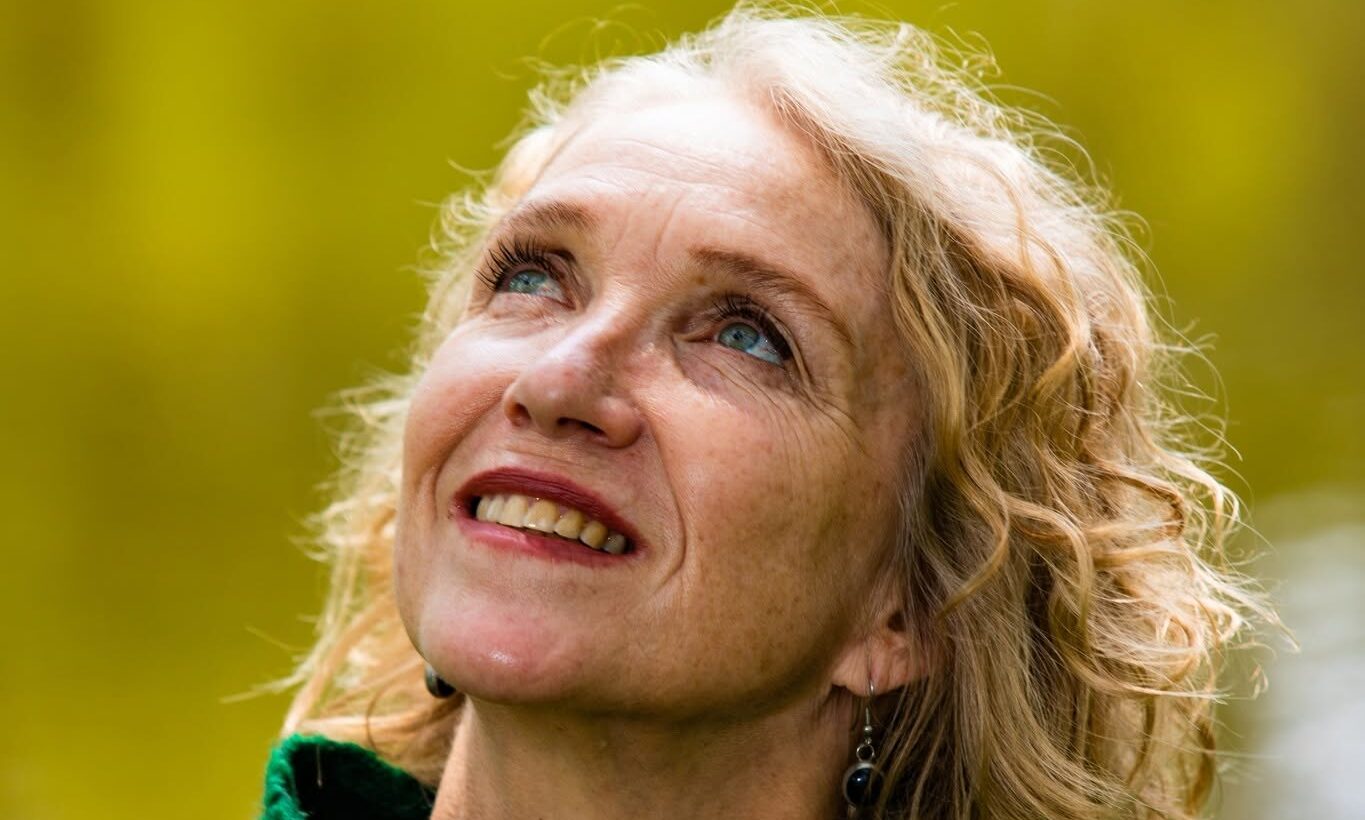













































The Orchard’s Expansion into Africa: An Exclusive Interview with Richard Gottehrer
16 Oct 2023 - 08:58


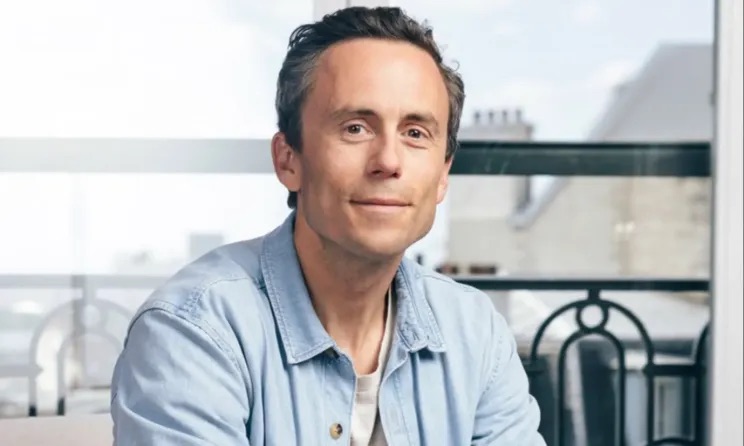
The Orchard, a global music distribution company, set its sights on South Africa, drawn by the rich musical tapestry of Africa. In the heart of this vibrant continent, at the Cradle of Humankind, we met with Richard Gottehrer, an American songwriter, record producer, and record label executive.
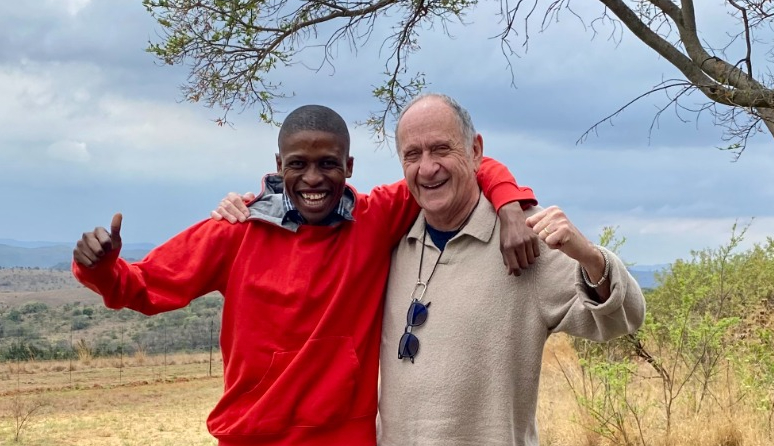
In 1997, he co-founded The Orchard with longtime business partner Scott Cohen, an independent music distribution company. His career began as a Brill Building songwriter in the 1960s. A visionary in the music industry, boasting over 26 years of experience with The Orchard, he shared his vision behind re-launching a new office to support the growth of South African music globally. Richard's ambition is to nurture and elevate the African music industry based on the extensive experience gained at The Orchard over the years.
"I came to South Africa because we're re-launching our office here that we feel will be able to help develop and support the growth of South African music throughout the world, using what we've learned from 26 years of development at The Orchard globally and understanding how localized music—music from almost anywhere—can reach audiences everywhere."
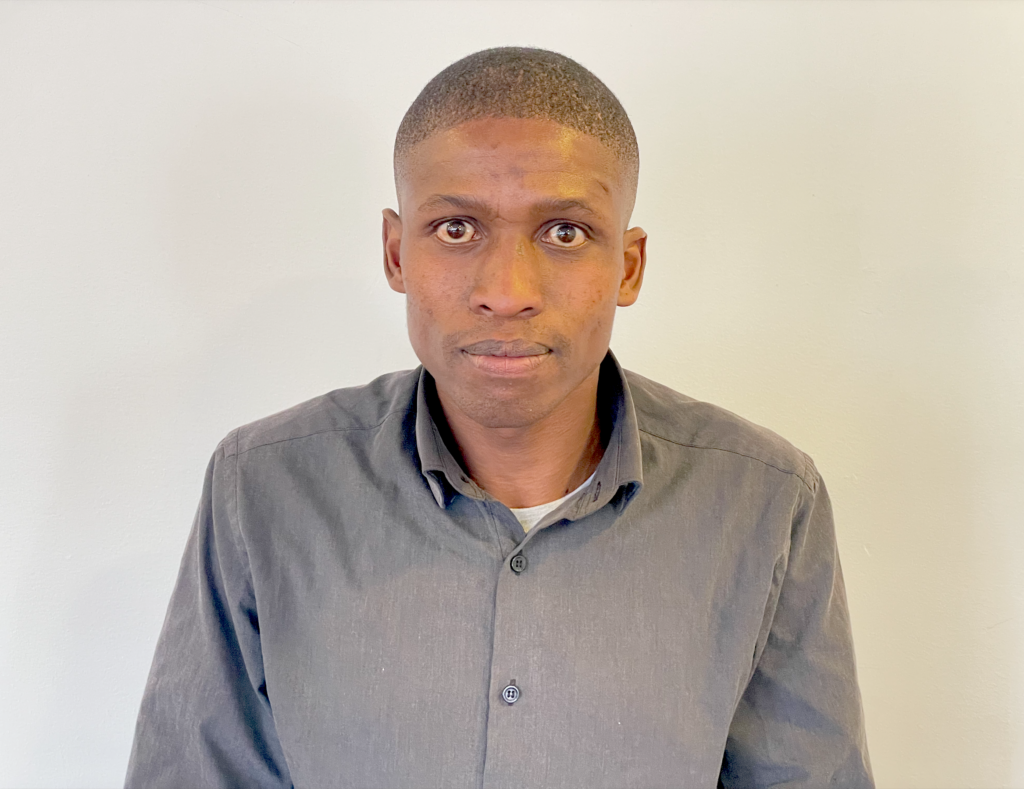
The office in South Africa, led by Mpumi Phillips, will act as a hub focusing on African music, extending its presence to countries like Nigeria, Kenya, and the French-speaking regions of Africa. This expansion underscores The Orchard's belief in African music's potential and the immense talent present on the continent.
"We want to support this new focus area, which is African music. We have a presence in Nigeria, Kenya, and French-speaking Africa, which bounces back to France. Now, we're making South Africa a major focus as well. We have somebody here, Mpumi Phillips, whom we hold in high regard. She's a true professional and knows the business inside out. She's a person who gets things done."
Transitioning to The Orchard's efforts in education, particularly the MBA program in the music business for African musicians—Richard shed light on empowering musicians with education. This program held fully supported by The Orchard, teaches students the entire process of making a record and delves into distribution strategies. The program held in Lagos, Nigeria is run by Godwin Tom one of the African music industry’s prolific change agents with over 20 years experience in the music industry in Nigeria and across Africa as an artist, talent manager and entertainment executive, author, educator and the Managing Director of Sony Music Publishing, Nigeria. ,
"The music business for Africa is essentially a school for 10 students, and they are taught to make a record from start to finish—recording, marketing, artwork, all of that. Then, The Orchard actually distributes the record globally. Over the past two years, we've sponsored a program within the school, called the Talent Project, which provides financial resources to enable the students to create their own records."
Richard also emphasized The Orchard's strong commitment to diversity and inclusivity within the company. They actively reach out to encourage minorities, including Black Americans, Hispanic Americans, and women, to apply for jobs, fostering an inclusive workplace culture.
Reflecting on the evolution of the global music industry, Richard provided insightful reflections, drawing from his extensive experience dating back to the 1960s. He highlighted pivotal moments, technological advancements, and shifts that have shaped the industry over the years.
Technological advancements played a significant role in shaping the music industry. The transition from mono to multi-track recording allowed for more complex and layered music production. The introduction of FM radio stations marked a pivotal moment, playing music in stereo, allowing for the promotion of albums, not just singles. This change significantly influenced the business model. Companies like Ampex, known for their tape machines, played a crucial role in advancing recording technology.
Richard began his journey as a songwriter at a young age, deeply influenced by iconic figures like Elvis Presley and Jerry Lee Lewis. He recounted his journey through the 1960s, from being a founding member of the band The Strangeloves to embracing the changes in the music scene.
"The change in business comes from technology. When we started producing, you had to know what you were doing because you were dealing with mono. Maybe you had a second track that you could put the voice on. As the business grew, it went to four tracks, eight-track recording, sixteen track, twenty-four track, and forty-eight. You could sync up machines so you could have multiple parts. You could have other things."
“And then a miracle happens. The miracle was FM radio. When FM radio stations come along, what do they do? They play music in stereo. The albums were always in mono. Except for a few, albums would be done in stereo. Those were for people who had expensive systems. They could listen to them at home. So, you're making singles that still run on AM radio, but you can now make an album and get it played on radio. And that was the big difference.”
So, it's again technology, changing it, making the business different. Before that, you were selling singles and maybe you could sell an album. Not really if you were an artist. I mean, Frank Sinatra would sell albums, obviously. Nat King sold albums. But for the most part, albums weren't selling. But in stereo came. Companies started selling that and manufacturers started making stereo equipment.
"The studios got bigger. People like me, kids, essentially. I was in my 20s, were able to go into these rooms and create magic on four-track machines.
In the later part of the interview, Richard shed light on the digital revolution and The Orchard's role in adapting to the rise of digital platforms. The discussion showcased how The Orchard maintained its independence and contributed to the transformation of the music landscape.
"Around 1995, nice people started playing around with computers. Obviously, it was earlier than that. But really, individuals started getting involved in the mid-90s, right? So, Scott Cohan and I had formed a record company, The Orchard. And we're putting out records. And we see as we're trying to promote our records, it's hard because we're small."
"We took a trip out there and we came up with the idea because we saw there was no independent music. All we saw was record label music, only Mainstream music. We said to them, listen, we know what you're doing. Would you be willing to work with us? We have this company that's developing independent artists called The Orchard."
"So, we go back to New York and we recreated the warehouse that they had out there in a minimal way in our basement. And we start taking in clients. And we put one clause in the contract that was not deceptive. It was reasonable. We started thinking, gee, if this is happening, what else will happen? Hmm. So, the big record companies told us that CDs were digital. They'd play on digital devices, but that's not what digital is. Digital is something imaginary, something that will happen. It's coming. So, we put a clause in the contract saying you'll also agree to allow us to distribute your music digitally."
"And we thought that was personally fine because they really just wanted to get into these Internet stores. And they agreed. And we continued and we waited until we knew it was coming. It didn't fully come. But by 2001 - 2002, iTunes came, we had about 150,000 titles that we could offer digitally."
"So again, the change in the business. What was it? Technology again. It's always technology. The changes. The radio signal FM. The signal direct to vinyl to tape. And you know, it keeps going."
"The Orchard opened the floodgates for independent artists. That was our purpose, is to open it up so everybody, in a sense, a naive statement, is equal. You know, I like to believe we're all equal."
"So that's the difference. Music is everywhere. The Orchard's role was to open it up. that's the difference. Music is everywhere."
Richard reflected on his journey in the music industry, acknowledging the role of luck and the necessity for growth and adaptation in the ever-changing music landscape. He expressed excitement and hope for the future, particularly in South Africa, seeing the immense potential in the African music industry.
"The Orchard, very simple. I started as an independent. That stream, it just keeps going. Production. And just like those people that made the deal with us because they liked the past, that agreed to allow The Orchard to be the gateway to the independent stores, that history leads straight up to the door when Scott and I look on the internet and say, hey, let's start this company. Let's see what happens. We had no idea what we're doing. We literally learned on the job."
"By 2015, they sell the company to Sony. And here we are. A bunch of independents with the biggest record company in the world running us. Turns out it's not terrible. Sony understands what we do and how it relates to what they do because they own it. You have to adhere to what they do. But they continue to allow it to operate with this independent attitude that's now what the business is truly like because artists can go anywhere. They can put their music up themselves online."
"What I would say is that with The Orchard, we are you. We're you. You're probably a better songwriter than I am now. I don't know that I can make records anymore the way I used to, but you can. And if you want to call me up and say, what do you think of this from your experience, do you have any advice? Yeah. And you can get all that. And this is what The Orchard gives to people all around the world. So, my greatest achievement would be writing 'I Want Candy' and The Orchard. So, from there to there, all that middle period, it'll lead up to this moment."
"The rise in success doesn't come from the top getting bigger. It comes from the bottom getting to the top. So, you reinvent yourself. You continue to push forward and continue to grow, which was the slogan of The Orchard that I invented, 'The Orchard: A Place to Grow.' I use this expression. It's all luck anyway. If you don't put yourself in a position where luck can hit you on the head and make it happen, it's never going to happen."
In closing, Richard expressed his pride and happiness in coming to Africa for the first time. He sees the establishment of the new office as a stepping stone toward positive change. With an open invitation for further communication and engagement, he extended a warm welcome to all those interested in the music industry.
"I'd just like to say that I'm really proud and happy to come to Africa for the first time. I mean, when I landed, I didn't feel uncomfortable. I felt at home."
"And also, I want to see this division in South Africa become a significant part of what we do at The Orchard. And I see no reason why it can't. And I understand the issues that exist in this country, but there are elements of it that are great. And I would say there's always hope, you know, that's how we have to think of it."
With eager anticipation we look forward to witnessing the transformative journey that The Orchard and African music will embark upon, as they blend their stories into an epic composition that transcends generations, bringing us closer to a world united through the universal language of music.


Most popular

Top Naija songs of 2026
31 Mar 2026

Top Afrobeats songs of 2026
19 Mar 2026

Visa appoints Fally Ipupa as face of Visa Pay in Democratic Republic of Congo
23 Sep 2026

Top amapiano songs of 2026
16 Feb 2026

AFRIMA 2026: All the winners
12 Jan 2026

Call for applications: ACCES 2026 Emerging Artist Spotlight Competition
01 Oct 2026
Disclaimer: Music In Africa provides a platform for musicians and contributors to embed music and videos solely for promotional purposes. If any track or video embedded on this platform violates any copyrights please inform us immediately and we will take it down. Please read our Terms of Use for more.

Subscribe to our monthly Newsletter
Follow us on social media


Please log in to post a comment.