














































Concerts SA reflects on 10 years of supporting live music

10 May 2024 - 14:04


Over the past decade, Concerts SA has been a driving force in shaping the live music scene in Southern Africa. As the project celebrates its 10th anniversary, Concerts SA is taking stock of the important work it has done over the years. Its vision has evolved significantly, adapting to the impact of technology and the changing needs of the industry. To date, the project has created about 30 000 work opportunities, supported some 270 school concerts, and helped organised close to 4 000 events across the SADC region, reaching more than a million people. At the end of this month they will be launching their documentary Keeping the Music Alive with Neo Muyanga and Msaki.
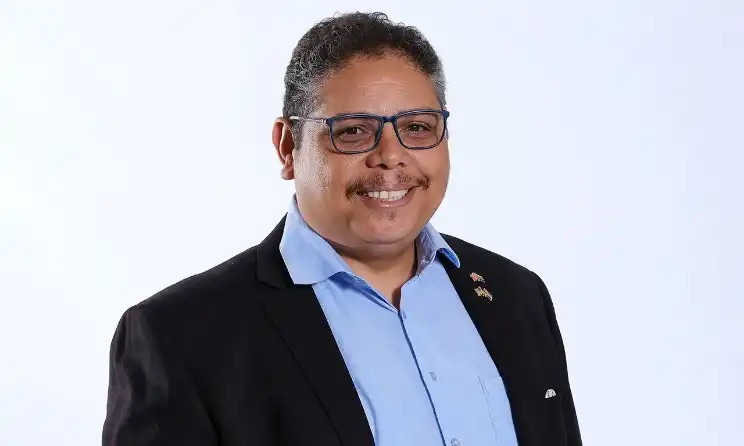
Speaking to Music In Africa, Concert SA project manager and IKS Cultural Consulting boss Andre Le Roux says the project’s achievements also include fostering over 150 partnerships, conducting important workshops continentally, and investing about R70m ($3.8m) in the sector. Its research initiatives have created thought leadership, knowledge and access to self-education for artists, promoters, venue owners and policymakers.
“Concerts SA was supposed to be a three-year project and then it became a six-year project, then became a nine-year project. And then the Norwegian Embassy said, ‘Look, we’ve got some more money to throw at you’,” Le Roux said.
As the project looks towards the future, its goals include stabilising the sector, creating more live performance opportunities and cultivating partnerships to grow its reach. It envisions a thriving live music industry, artists generating a better income and a healthier society through the growth of music and culture.
However, challenges lie ahead, including securing more funding and partnerships, adapting to changes, and expanding activities and knowledge among music practitioners. Le Roux says Concerts SA plans to address these areas by developing touring circuits and igniting collaborations on the African continent.
“The most immediate goal on the horizon is to get funding so that we can continue with Concerts SA. That’s one of the hardest roads at the moment,” he says.
Concerts SA 10 years ago and COVID-19
Concerts SA was founded in 2014 against the backdrop of a music industry hungry for growth. At the time, the SAMRO Foundation, which primarily acted as the social investment and music education arm of the Southern African Music Rights Organisation, recognised the need to support artists on the ground. In 2020, the foundation was dissolved, and Le Roux, the foundation’s then managing director, departed the organisation. As a result, SAMRO had insufficient capacity to manage Concerts SA, and the project was taken over by Le Roux’s consulting firm, IKS Cultural Consulting, which has been running the project ever since.
Le Roux says the initial vision was to create touring circuits to invigorate a developing industry. Over time, Concerts SA expanded its vision through annual research and policy development, nurturing a deeper understanding of the industry’s needs and potential. “When we started this project, there wasn’t any sense of a live music project. The vision was to develop touring circuits for a very fragile industry.”
In 2020, the COVID-19 pandemic disrupted the good work done in the live music scene, posing unprecedented challenges. As a result, Concerts SA’s vision had to adapt to the new reality. International funding sources dried up and the project had to find innovative ways to support artists. By leveraging digital platforms and collaborating with its Norwegian partners, Concerts SA transformed mobility funds into digital opportunities, ensuring artists could continue to create and connect with audiences.
“We spoke to the Norwegians and we said, ‘We will take this mobility fund that supports over 9 000 artists, and we will do it digitally.’ So that vision evolved in terms of research. In July 2020, we did our first Digital Mobility Fund and Digital Futures research report, and that was developing the vision in collaboration with a range of players, and we redeveloped that model. That model developed into the mobility fund that took place in November of that year. So, the vision was forced to shift to grow and become digital.”
As the impact of COVID-19 is still felt across the music industry, Le Roux says Concert SA’s chief aim is to help stabilise the sector through creating more live performance opportunities in cities, provinces and regions across Southern Africa.
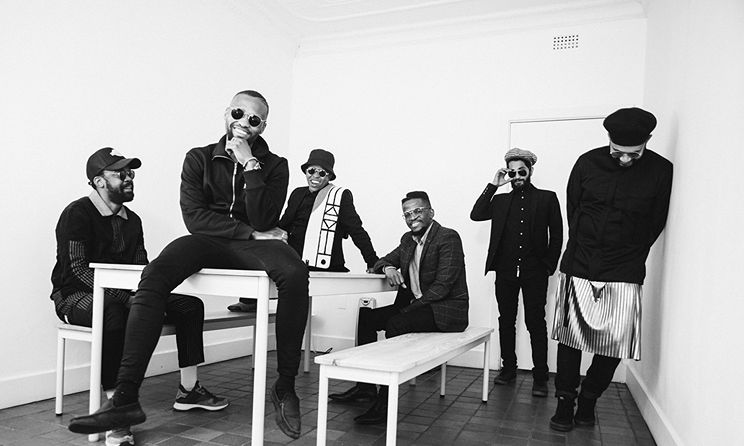
“We produced a fabulous documentary that will probably be issued at the end of June. It features Neo Muyanga and Msaki. We also did a research project for the South African Cultural Observatory on the impact of COVID-19 on the music sector. It was quite an extensive report, almost 700 survey responses.”
AI and the future of live music
In an era where technology defines the next steps to be taken, industries across the board are compelled to embrace innovation to survive and thrive. The music industry, often regarded as a barometer for the health of the creative arts, stands at the forefront of this transformative wave.
“The music industry for the creative industries, for the arts, and actually for the economy in general, is like that little canary in the coal mine,” Le Roux says. “When it gets sick, when it gets affected, you can bet your bottom dollar that other industries are going to follow in its wake.”
AI is one significant technological force that everyone in the industry will need to contend with. Le Roux says that AI discussions are on top of the agenda in the music industry, highlighting its potential to revolutionise the way the business operates. He also emphasises the impact blockchain and AI for strategic advantage on a global scale and of tech on a smaller scale, such as the pivoting of creatives with their online presence during the pandemic. In response to the crisis, the music industry had to pivot, adapt and explore hybrid models. Le Roux and his team at Concerts SA and IKS then pioneered the concept of ‘digital mobility’ in Africa during lockdown.
Former SAMRO Foundation manager James French, now a senior consultant at IKS, further elaborates on the implications of digital mobility: “We examined innovation in terms of how to put the material online, how to ensure payment, and what impact this has on artists, venues, studios and collection societies,” he explained.
French offered a nuanced perspective on the role of AI in live music, suggesting that the bigger part of its impact could lie in post-event consumption and online engagement rather than on the live music experience itself. He also reflected on the transformative power of technology over the past two decades, highlighting how digital audio workstations revolutionised music production and introduced minor disruptions within the live music scene. Nevertheless, he maintains that live music will continue to thrive, rooted in the profound connection it fosters between artists and audiences.
“In the end, live music remains true to its essence, and I don't foresee AI making a significant impact on it,” French said.
Le Roux added: “The world is ever-evolving, and it is our responsibility to adapt, innovate and seize the opportunities and tools that technology presents us. By doing so, we ensure that the music industry remains vibrant, resilient and continues to serve as a beacon for the other creative sectors.”


Most popular

Top Naija songs of 2026
31 Mar 2026

Top amapiano songs of 2026
16 Feb 2026

Top Afrobeats songs of 2026
19 Mar 2026

Call for applications: ACCES 2026 Emerging Artist Spotlight Competition
01 Oct 2026

AFRIMA 2026: All the winners
12 Jan 2026
CAPASSO backs global principles for fair generative AI music licensing
06 Oct 2026
Disclaimer: Music In Africa provides a platform for musicians and contributors to embed music and videos solely for promotional purposes. If any track or video embedded on this platform violates any copyrights please inform us immediately and we will take it down. Please read our Terms of Use for more.

Subscribe to our monthly Newsletter
Follow us on social media


Please log in to post a comment.