




























































10 songs that defined the 1976 Soweto uprising, 50 years on

10 Jun 2026 - 13:11


By Sisi Nkabide and Qhawe Shoba
Fifty years after the Soweto Uprising, the events of 16 June 1976 remain one of the most significant moments in South African history. What began as a student protest against the apartheid government’s decision to impose Afrikaans as a medium of instruction quickly evolved into a nationwide movement that reshaped the struggle for freedom and drew international attention to apartheid.
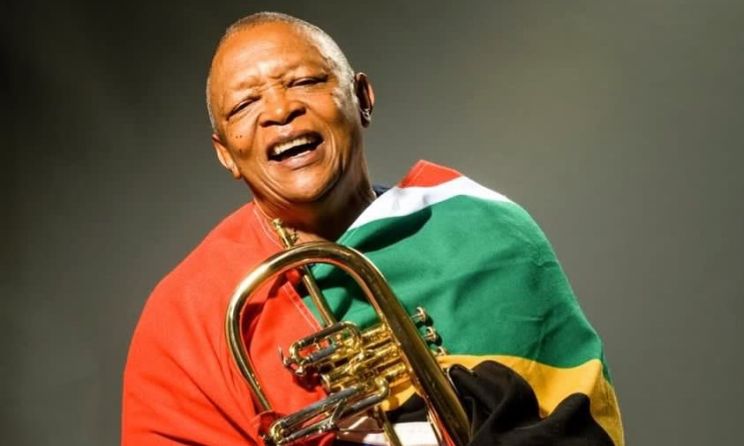
While the uprising unfolded in the streets, its legacy was carried through music. Artists used song to document injustice, mourn those who were killed, inspire resistance and imagine a different future. Some of these songs emerged directly from the events of 1976, while others reflected the broader liberation struggle that the uprising helped energise.
As South Africa marks Youth Month in 2026, these ten songs stand as enduring reminders of the courage and sacrifice of a generation that challenged apartheid.
10. ‘It’s Wrong (Apartheid)’ by Stevie Wonder
By the mid-1980s, opposition to apartheid had become a global movement. Released in 1985, Stevie Wonder’s ‘It’s Wrong (Apartheid)’ reflected growing international condemnation of South Africa's racial segregation policies. Featuring contributions from exiled South African musicians and drawing on African musical influences, the song urged audiences around the world to recognise and oppose apartheid. It demonstrated how the struggle had moved beyond South Africa's borders and become an international cause.
9. ‘Freedom Is Coming Tomorrow’ by Mbongeni Ngema
Popularised through the acclaimed stage production Sarafina! and its later film adaptation, ‘Freedom Is Coming Tomorrow’ captured the optimism and determination of South Africa’s youth. Written by playwright and composer Mbongeni Ngema, the song reflected the experiences of students who found themselves at the forefront of resistance. During the State of Emergency in the 1980s, when political expression was heavily restricted, Sarafina! became an important cultural platform for telling the story of the Soweto generation. Its message of perseverance and hope continues to resonate decades later.
8. ‘Meadowlands’ by Strike Vilakazi
Resistance through music did not begin in 1976. Two decades earlier, Strike Vilakazi composed ‘Meadowlands’ in response to the forced removals from Sophiatown. Released in 1956, the song cleverly disguised protest as celebration. On the surface, it appeared to praise relocation to ‘Meadowlands’, but listeners understood it as a critique of apartheid's forced removals and social engineering policies. The song became one of the earliest examples of musicians using coded language to challenge authority while avoiding censorship.
7. ‘Mannenberg’ by Abdullah Ibrahim
Few instrumental pieces have had the political and cultural impact of ‘Mannenberg’. Released in 1974 by jazz pianist Abdullah Ibrahim, the composition became closely associated with township resilience and resistance. Without lyrics, it conveyed a sense of identity, hope and determination during a period when openly political music often faced censorship. Its distinctive melody transformed it into an unofficial soundtrack of the liberation struggle and one of South Africa’s most celebrated musical works.
6. ‘Fire in Soweto’ by Sonny Okosun
The impact of the Soweto Uprising extended across the African continent. Nigerian musician Sonny Okosun responded with ‘Fire in Soweto’, released in 1978. The song linked the experiences of South African students to wider liberation movements taking place across Africa, including those in Zimbabwe and Namibia. It reflected a growing sense of pan-African solidarity and emphasised that the fight against apartheid was part of a broader struggle against oppression and colonialism.
5. ‘Bring Him Back Home’ by Hugh Masekela
By the late 1980s, Nelson Mandela had become the most recognisable symbol of resistance to apartheid. Written by trumpeter and composer Hugh Masekela during his years in exile, ‘Bring Him Back Home’ combined an infectious melody with a direct political demand: Mandela’s release from prison. The song quickly became an anthem of the international anti-apartheid movement and remains closely associated with the final years of apartheid and the anticipation of democratic change.
4. ‘Black President’ by Brenda Fassie
The release of Nelson Mandela in 1990 marked a turning point in South African history, and Brenda Fassie captured the moment in ‘Black President’. Co-written with producer Sello ‘Chicco’ Twala, the song celebrated Mandela’s freedom and reflected the optimism surrounding South Africa’s transition towards democracy. For many listeners, it represented the fulfilment of aspirations that had been nurtured through decades of struggle, including those of the students who marched in Soweto.
3. ‘Soweto Blues’ by Miriam Makeba
Few songs address the events of 16 June 1976 as directly as ‘Soweto Blues’. Written by Hugh Masekela and performed by Miriam Makeba, the song mourned the deaths of students killed during the uprising while condemning the education policies that triggered the protests. Makeba’s powerful performance carried the story of Soweto to audiences around the world, helping to expose the realities of apartheid at a time when international awareness was growing.
2. ‘Asimbonanga’ by Johnny Clegg and Savuka
Released in 1987, ‘Asimbonanga’ became one of the most influential songs of the anti-apartheid era. Written by Johnny Clegg and recorded with his band Savuka, the song paid tribute to Nelson Mandela and other imprisoned political leaders. Its blend of Western pop and Zulu musical traditions reflected a vision of a united, non-racial South Africa. Over time, it came to symbolise reconciliation, solidarity and hope.
1. ‘Nkosi Sikelel' iAfrika’ by Enoch Sontonga
No song is more closely linked to South Africa’s liberation struggle than ‘Nkosi Sikelel' iAfrika’. Composed in 1897 by Enoch Sontonga as a Christian hymn, it evolved into one of the most important songs of resistance across Southern Africa. During apartheid, it was sung at political rallies, funerals, church gatherings and protests, including those connected to the aftermath of the Soweto Uprising. For generations, it embodied faith, dignity and collective resistance. Its incorporation into South Africa’s national anthem after 1994 cemented its place as a symbol of unity and democratic renewal.


Most popular

Top Naija songs of 2026
31 Mar 2026

Top Afrobeats songs of 2026
19 Mar 2026

Ghana: Mr Eazi and MOLIY’s ‘Comfort’ earns Urban Music Awards nomination
21 Oct 2026

Top amapiano songs of 2026
16 Feb 2026
Open call: CANEX Music Business Lab and Songwriting Camp
15 Oct 2026

Nigeria: CANEX WKND unveils 2026 programme
21 Oct 2026
Disclaimer: Music In Africa provides a platform for musicians and contributors to embed music and videos solely for promotional purposes. If any track or video embedded on this platform violates any copyrights please inform us immediately and we will take it down. Please read our Terms of Use for more.

Subscribe to our monthly Newsletter
Follow us on social media


Please log in to post a comment.