


































NEFCISA
NEFCISA

The Music In Africa Foundation (MIAF) is proud of its partnership with the Industrial Development Corporation (IDC) as a Strategic Implementing Partner (SIP) for its Social Employment Fund (SEF). Through this collaboration, MIAF is running a national programme that is creating jobs, addressing skills gaps, and strengthening South Africa's creative industries — in line with the SEF's overarching goal to generate work for the common good and build community value through employment, social contribution, and inclusive economic participation. Operating under the banner NEFCISA (National Employment Facility for Creative Industries in South Africa), the initiative is recruiting and training participants, matching them with host organisations, and has already placed 1 500 workers across the country — surpassing its original target of 1 000. NEFCISA is delivered through a network of 20 host organisations spanning five provinces, who are actively hosting participants and contributing to work for the common good across South Africa's creative and cultural industries. Key Objectives: Support employment and entrepreneurship in the creative industries. Offer skills development and training programmes. Foster partnerships between public and private creative sectors. Promote South African creativity at both provincial and national levels Foster community development through social contribution.

ACCES
ACCES

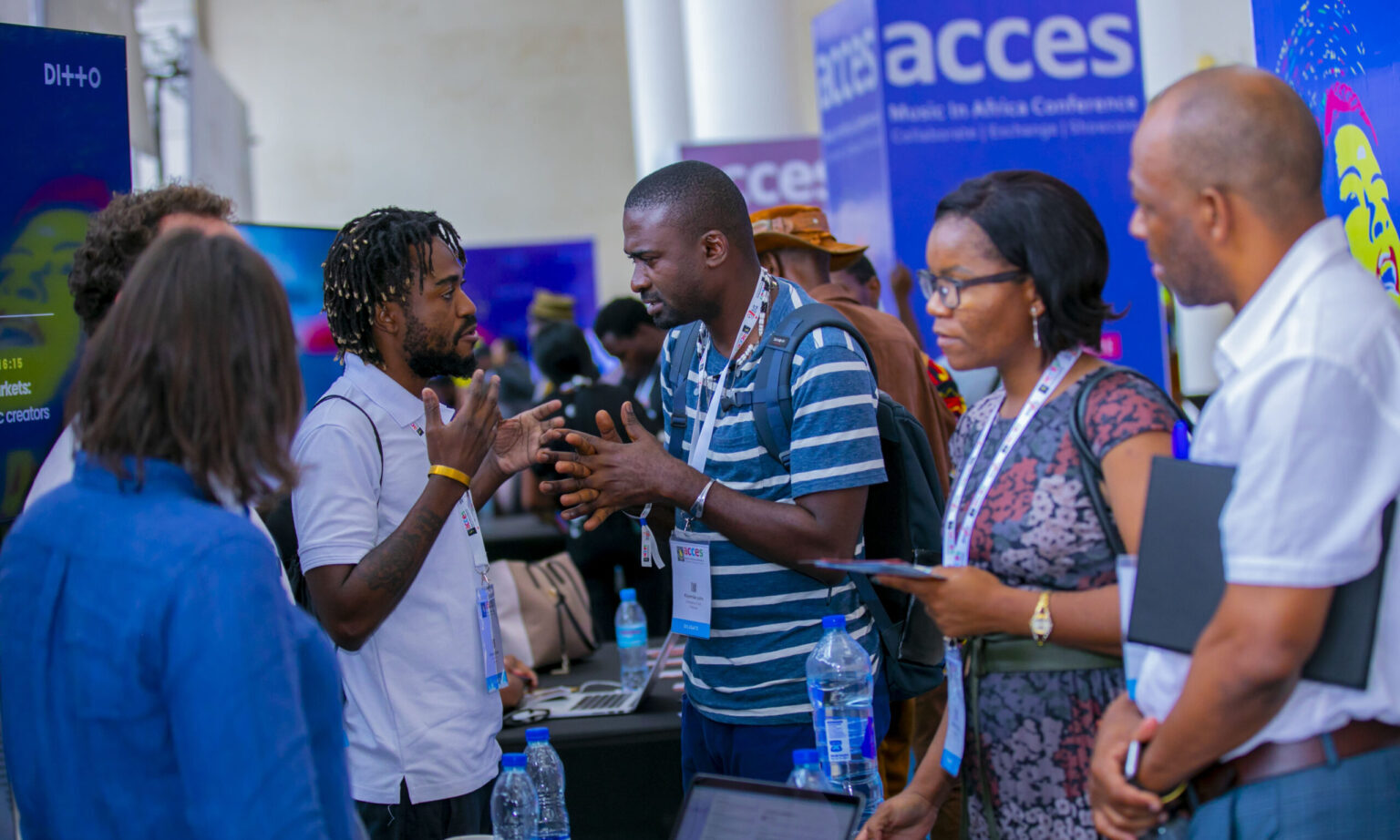
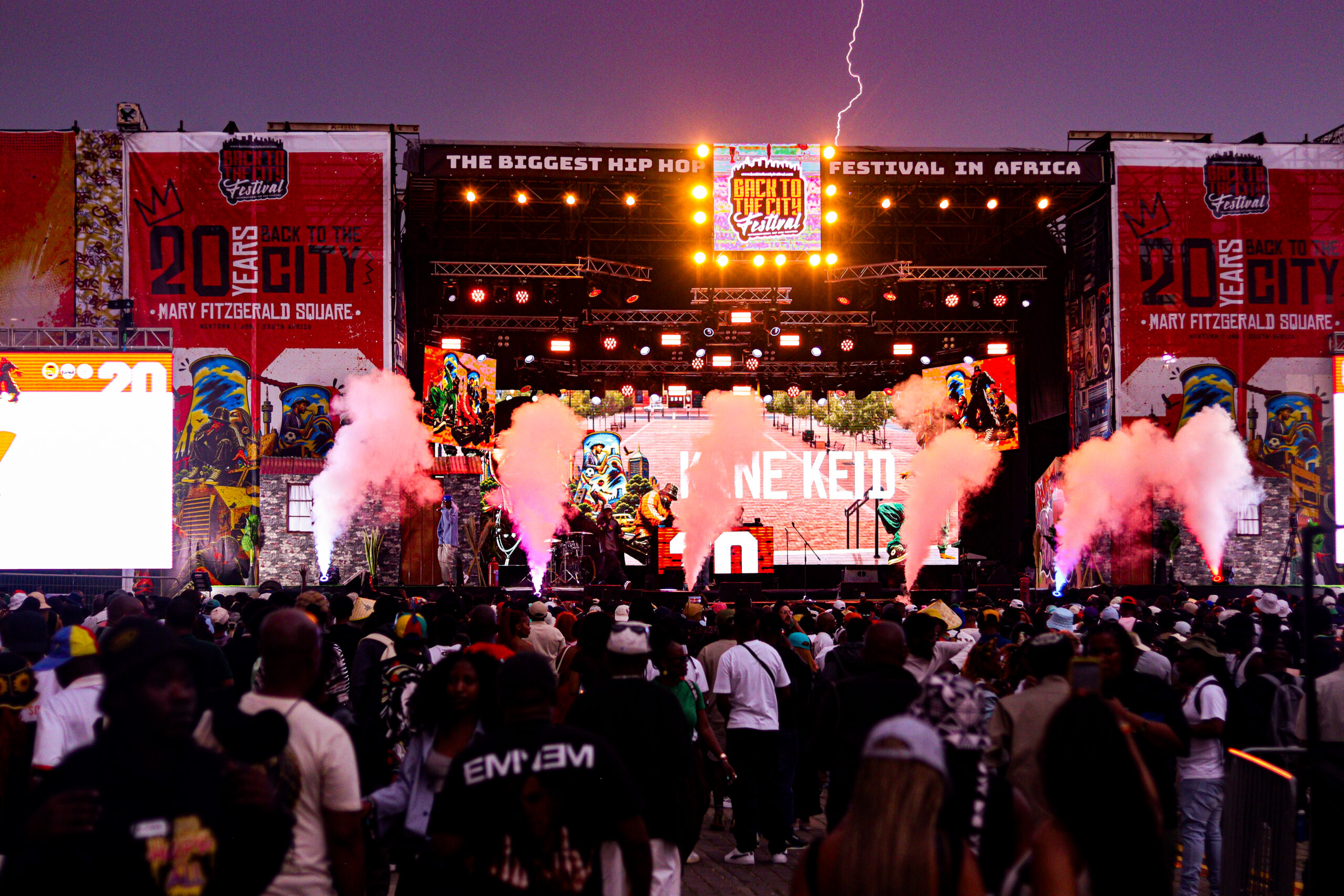
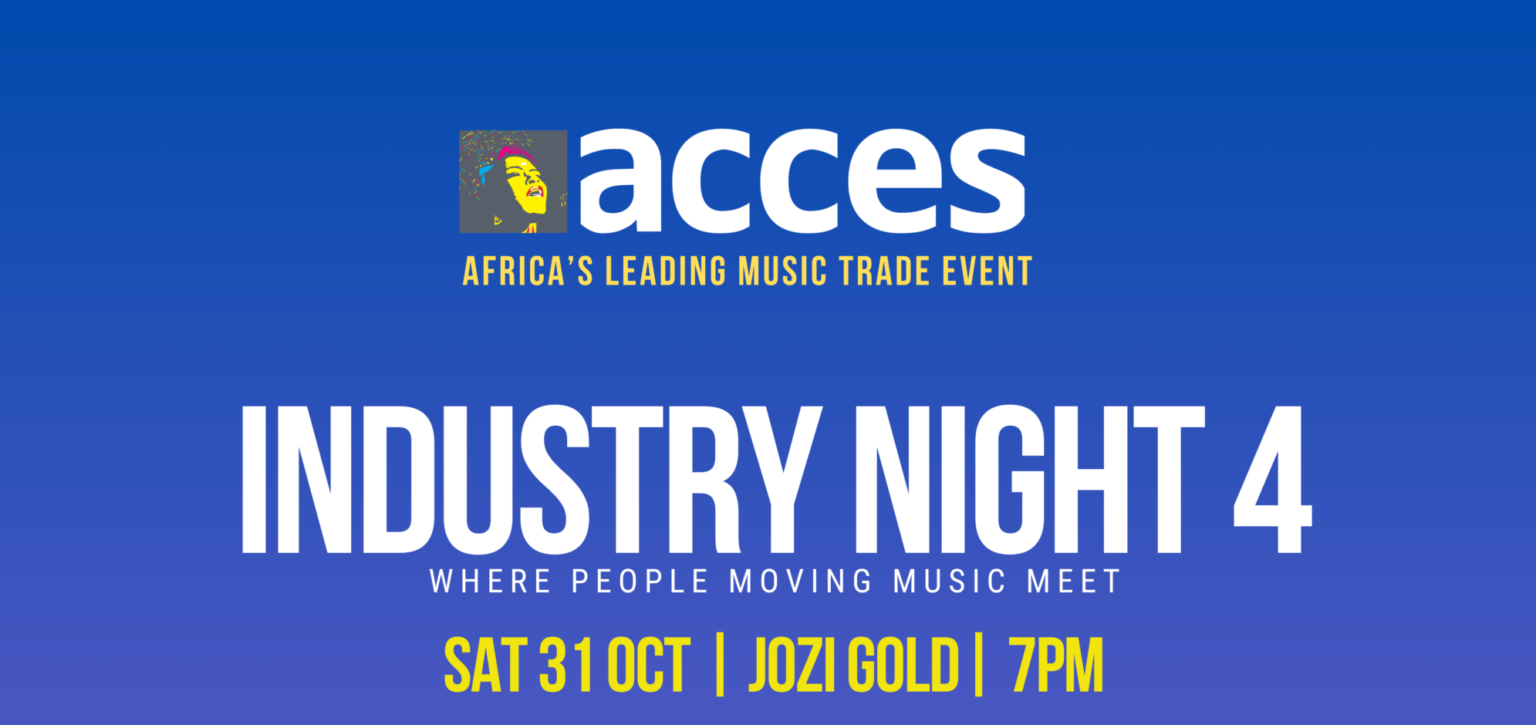
ACCES Conference and Showcase Festival is Africa's leading music industry gathering, bringing together the people shaping the future of the continent's music business. Artists, entrepreneurs, executives, investors, policymakers and cultural leaders from across Africa and around the world come to ACCES to build partnerships, exchange ideas, discover talent and create new business opportunities. Since its launch in 2017, ACCES has become the continent's premier platform for professional exchange and music market development. Combining a high-level conference with a curated showcase festival, networking, exhibitions and industry programmes, ACCES offers a unique space where creativity meets business and where African music connects with the global industry.

Gender@Work
Gender@Work

Music In Africa Gender @ Work is a three-year training programme aimed at upskilling and increasing the participation of female professionals in the African music sector. Launched by the Music In Africa Foundation (MIAF) in April 2019, the programme is connected to the MIAF’s ACCES music conference – a pan-African event held in a different African country every year. This connection enables the programme to reach new participants in a different African country every year. The programme marks the beginning of a more concerted effort by the Foundation to support the participation and inclusion of women in all facets of its programmes and the music sector in Africa as a whole. Over the three years, the programme will aim to address gender imbalances in the sector through training, lobbying, facilitating knowledge exchange and dialogues that foster the interest of women. The broader objectives of the programme are to: Provide industry training for women on critical music industry skills, focusing on: Stage management Electronic music production and recording Music business management Technical knowledge Provide an opportunity for both professional and aspiring women to benefit from the Music In Africa network and its broad range of activities in 2019, 2020 and 2021. Provide a solution-based platform in the form of a round table at ACCES with a view to identify challenges, discuss opportunities and lobby for the interests of female practitioners. Offer participants the opportunity to benefit from programmes offered by MIAF’s partners. Increase access to educational materials. Integrate participants in the broader ACCES programme to maximise experience and exposure to the industry. Record and present training materials on the www.musicinafrica.net, including but not limited to tutorials, templates and other best-practice materials. Communicate women-based themes that support the initiatives and messages of the programme. MAIN TRAINING ACTIVITIES Training in first country (Ghana): In the first year, participants will be trained on all aspects of stage management by a team of experienced stage managers from 10 to 17 November 2019. The programme will offer robust classroom training as well as practical, hands-on training in which participants will also be given the opportunity to manage various aspects of the ACCES performance programme. Training in second country: The second training iteration will take place at ACCES 2020 when the programme will diversify its course to include music production lessons and training on other music business topics. A round-table platform will also be introduced to coincide with the ACCES programme. Training in third country: The third training iteration will take place at ACCES 2021 in a different country, offering an advanced course. HOW DO YOU GET INVOLVED?  As a participant, facilitator or trainer: The programme enrolls up to 12 trainees every year. All opportunities are advertised publicly on this website, and will be added to this page. Please keep checking this page for new calls (below under UPDATES & CURRENT OPPORTUNITIES). As a partner Please contact Claire Metais at [email protected]. APPLY The call for applications for 2020 will be announced soon. The Music In Africa Gender @ Work programme is made possible with the support of the Prince Claus Fund, Siemens Stiftung and Goethe-Institut.

Sound Connects Fund
Sound Connects Fund

For cultural and creative practitioners and organisations operating in southern Africa, access to funding remains a major challenge. The COVID-19 pandemic has also had a massive impact on government policy, spending and the economy in general, and has seen spending on culture being moved further down the list of priorities. Further, the cultural and creative industries repeatedly cite four main areas where investment is needed for growth, which are increased visibility, mobility including access to new markets, finance and support structures.

Instrument Building And Repair Project

Experience the Vibrations African Instruments Exhibition online in 3D

Features

Adam Chienjo: Reshaping the Kenyan dance narrative

02 Aug 2022 - 08:47

cc-img flag-img

For Adam Chienjo dance has always been more than a passion. “It is a lifestyle,” he tells me when he finally manages to squeeze in a few precious minutes out of his busy schedule. It’s just three days to the Dance Life Festival and as its curator Chienjo has little time for respite.
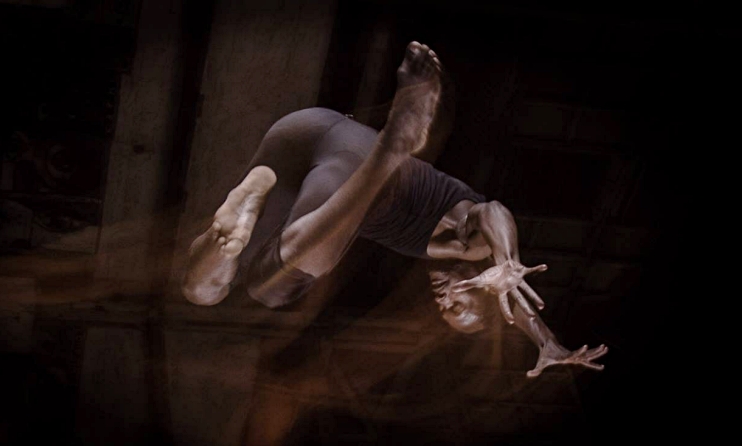
Kenyan dancer, choreographer and Dance Life Festival curator Adam Chienjo.

The event, which took place at the Kenya National Theatre in Nairobi on 30 and 31 July, has been years in the making, but it came alive in the most unexpected of ways...

It had been close to four years since Chienjo pitched a dance event idea to Goethe-Institut Nairobi and then came the COVID-19 pandemic. As was the fate of most artists at the time, the dancer was left staring at uncertainty, not knowing when he would ever return to doing what he loved doing. Then one day, at the height of the pandemic, Chienjo received a call from Goethe-Institut – they wanted him to help organise a dance showcase, more or less like the one he had proposed.

Given that the country was still in the grip of tough COVID-19 restrictions, it meant that the first edition had to be held virtually. It nevertheless produced the desired effect, with an impressive number of people signing up for the online classes that preceded a successful virtual concert. The second edition exceeded all of Chienjo’s expectations when hundreds of people attended an in-person performance at the Goethe-Institut auditorium.

“In 2021, we were just about to hold the second show when another ban on public gatherings was imposed and we had to postpone until a later date,” he said. “When we finally managed to do it, I was pleasantly surprised. To see a theatre full of people coming to see contemporary dance was a bit of a shock to me. We normally have a small expatriate-based audience but this time there were many locals showing interest.”

Now that the third edition has ended with a flourish, Chienjo gives us the real story behind the Dance Life Festival. “I wanted to reactivate the dance scene in Nairobi. I started dancing professionally around 2000 with the Safari Cats, which was probably the only dance company at the time. But gradually I noticed that the expressive and interpretative elements were lacking. There were people interested in the contemporary dance genre but there was no platform to showcase or even train. When Goethe-Institut finally got back to me, I was able to implement this.”

For someone who is completely immersed in dance, it is easy to see why he lights up when describing the art form. “For me, dance has always been a lifestyle. It is a career. I teach and I critique. It’s like breathing because every culture has dance. Dance can be used in many ways. It is therapy in that it helps express things that you cannot verbalise. Dance is a vocabulary of movement that is easy to use because it is relatable.”

With the festival incorporating workshops and dance film screenings, it is able to do more than just entertain an audience. The ‘artist’ is now at the heart of it. And the fact that no single performer has been featured twice since the festival’s inception speaks of the abundance of local talent.

“The workshops allow us to talk to professionals from different genres – ballet, traditional, jazz, seben, Afro-fusion, ragga, tap, you name it,” Chienjo says. “This time we had four choreographers leading the workshops, and new dancers were able to learn from their experiences.

“I acquired dance techniques and training modules through workshops, both here and abroad. That is why I am trying to create the same environment for upcoming dancers and a space for the established ones to interact and stimulate creativity.”

Artists who showcased their work at this year’s event included Neema Bagamuhunda, whose piece confronts the pursuit of fleeting values like money and fame and their impact on mental health and human connections. Another was Brian Oloo who presented a riveting dance duet that combines different styles of contemporary dance into something wholly unique and dynamic.

The Swiss-Brazilian choreographer Luanda Mori, who over the past 20 years has been developing educational and artistic work in which she explores the symbolism of movement as a sacred body language from a contemporary perspective, also had audiences transfixed.

Chienjo says the festival has been able to “reclaim tap dance”, which was appropriated by the West from Africa. “I am excited about tap dance because local kids are learning how to tap. Tapatapa, a tap dance company, was started from the workshops we held. I am happy to see that tap dance doesn’t seem like a foreign concept anymore.”

But what pleases Chienjo the most is the fact that he has been able to achieve his twin objectives: to see more women participating in dance and to showcase Africa’s cultural heritage through traditional troupes like Ntimaru Nyagetari, which performed at this year’s event. The festival is also slowly but surely starting to “go international” with the presence of choreographers from abroad.

“I thank Goethe-Institut for believing in me and getting the ball rolling. Other people want to be part of our story now and we’re hoping to bring in new partners for the upcoming events,” Chienjo said.

Please log in to post a comment.

Most popular

Disclaimer: Music In Africa provides a platform for musicians and contributors to embed music and videos solely for promotional purposes. If any track or video embedded on this platform violates any copyrights please inform us immediately and we will take it down. Please read our Terms of Use for more.

newsletter banner

Subscribe to our monthly Newsletter

Follow us on social media