












































African musicians talk about life during COVID-19 crisis (vol 2)

28 Apr 2020 - 21:13


In March, we spoke with a few African musicians about how the COVID-19 pandemic was affecting their work. Most of them were dealing with cancelling their gigs, concerts and tours, and understandably were in shock and bewilderment about what they would need to do to make ends meet.

More than a month later, we decided to chat to more musicians about how they were getting on with their professional lives as they accept lockdown measures and bans on public gatherings.
Below is what they had to say:
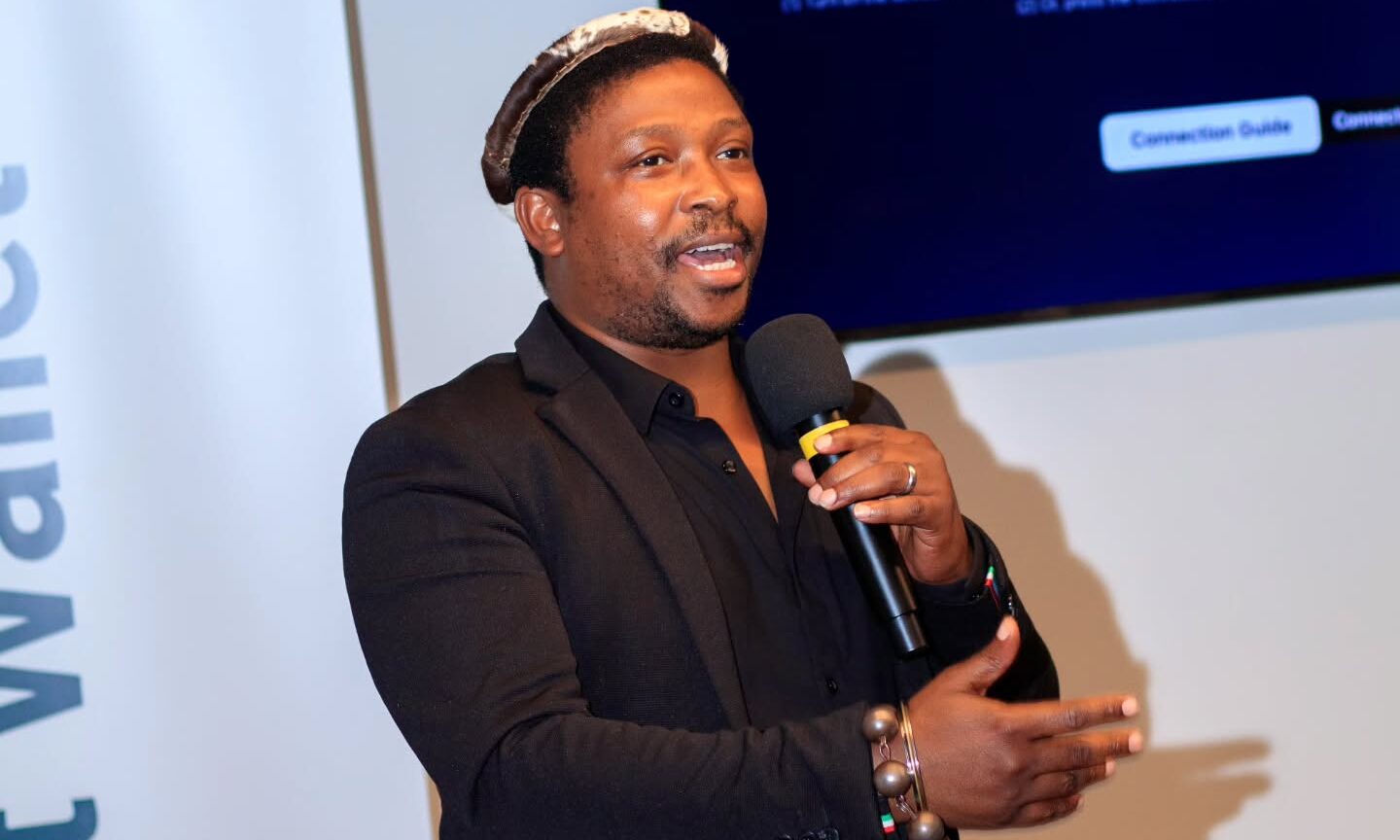
Stonebwoy (Ghana)
"The current situation has made us learn more about patience and working together for our own health. It has also given me time to restrategise a lot of plans we had made for the Anloga Junction album release and the year ahead. After the ban we will live life from a point of gratitude and better sense of humanity."
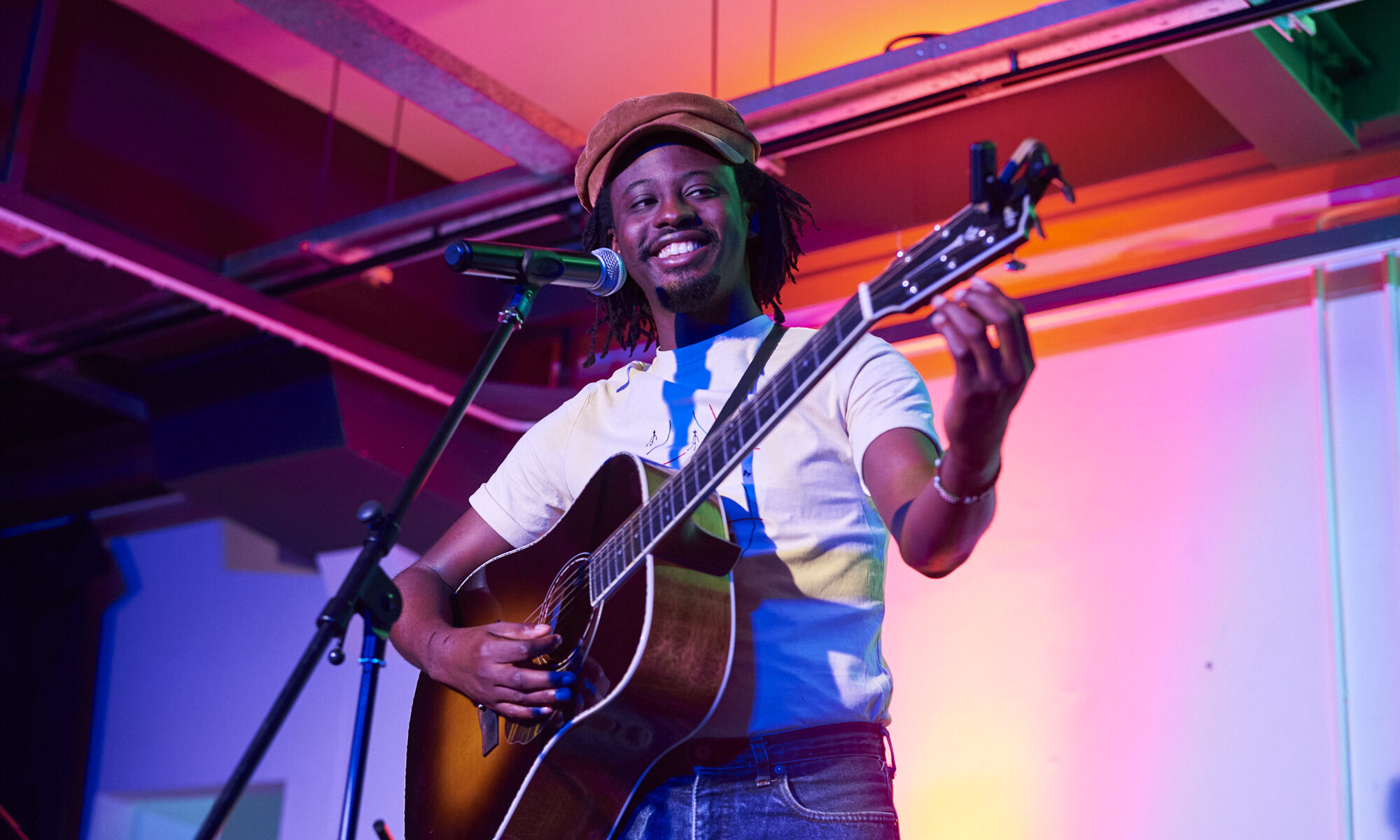
Suzy Eises (Namibia)
"I have been staying at home before the lockdown was announced and I have learnt a lot during this pandemic. It has taught me to save more money, keep an emergency fund and set aside savings. As a musician, I have also learnt to make use of various online platforms to share, promote, market and sell music. I have also learnt to prepare for tough times like these. They will always come, whether it’s a viral outbreak or a financial recession. If we are prepared, we shall not fear."
Hayze (Malawi)
"It’s a very difficult period as an artist because we mostly depend on gigs, especially coming from a country where artists generate their revenue through performances. I have learnt that we have to be creative during this time and it being the digital age has enlightened more artists. I spend more time researching how to use the Internet to grow my career as an artist. The lockdown is teaching me how to interact with my fans and how to effectively distribute my music online other than depending mostly on radio. So I think the COVID-19 pandemic is more of an eye-opener for many than the pandemic that it is."
Audrey Bading (Gabon)
"I have learnt that the world is unpredictable and we should not feel too comfortable for the years to come. It is important for one to diversify their skills. 'Multidisciplinary' is key to avoid frustration and monotony. It is important to shift our minds to adjust to the new ways – socially, economically and environmentally. As an artist it has not been easier to flow as it could have been two to three months back. I had to postpone a concert that was scheduled for May. I had to postpone the release of my upcoming ‘Maxi’ single due to the current situation because it didn't feel well with me to release anything now because the theme doesn't fit with the current situation. Despite the above, I see this as an opportunity to be more creative, write more songs, diversify my skills and adapt instead of complaining."
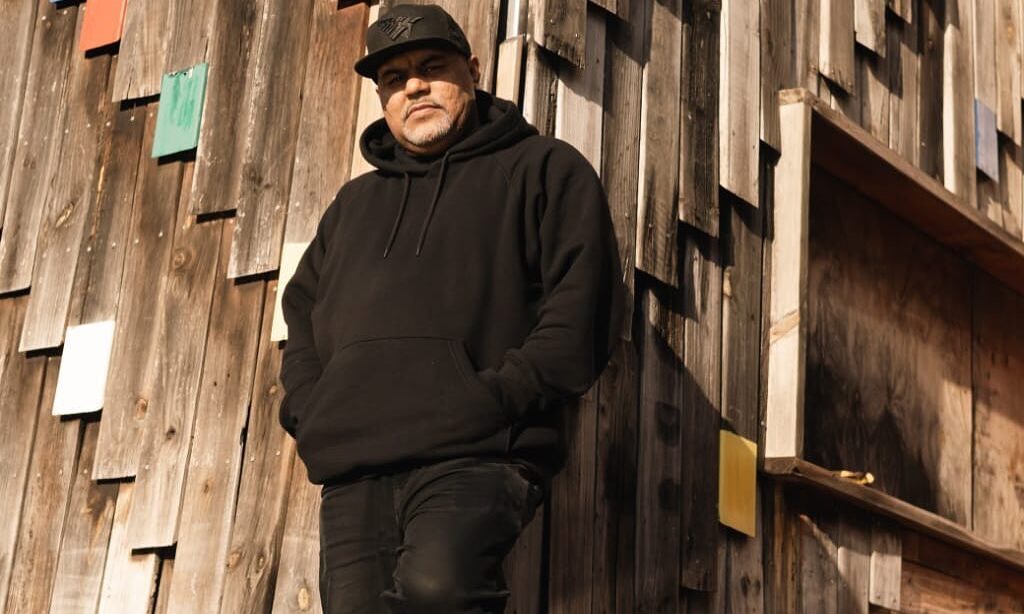
Don Dada (South Africa)
"COVID-19 has tremendously impacted our way of living, especially as African artists. Album sales in the US and Europe are quite substantial and it's easier for an artist to be subsidised off those sales. Artists in those regions have a huge fan base. If an artist in the US and Europe has about 5 million followers and likes on social media, they can monetise their work quite easily, and there are more ways they can sustain themselves, whereas it's quite different for African artists. What I have learnt is that the Fourth Industrial Revolution has begun in Africa. We have to adapt faster, as it has already started changing the economy. I wonder if all sectors will ever be the same after the coronavirus pandemic. A lot has changed and we need to start thinking about how best we can adapt to these changes."
Symphony (eSwatini)
"It has obviously been a challenge financially but I've been using this time to revisit my vision and adding colour to the picture. I have learnt to appreciate what I already have. Sometimes we focus too much on getting more and we forget to be grateful to God for what we have. This includes our freedom of moving around and going wherever we want, the freedom of being on stage. The things we take for granted sometimes matter the most."
Masa Caroleen (Zimbabwe)
"So far, it’s been okay staying at home with my family and I am finding ways to keep myself busy. I read books, write and do gardening. I have learnt that nothing is guaranteed and that there is uncertainty around our craft as artists. Shows were cancelled and that’s our livelihood as performing musicians. However, this moment has taught us to find more ways to reach audiences around the world."
Ann Singer (Namibia)
"It's been an overwhelming period for me. I had to postpone my Ann Singer Experience, which was supposed to take place on 3 April, until further notice. I was a little disappointed as I was looking forward to perform at the concert. But on a brighter note, the lockdown gave me an opportunity to plan better. I have also cancelled a lot of bookings and that means a cut of my income as a musician. Music will always be a vital aspect of our lives and a lot of people look to music for comfort, safety and belonging. I'm going to keep making music."
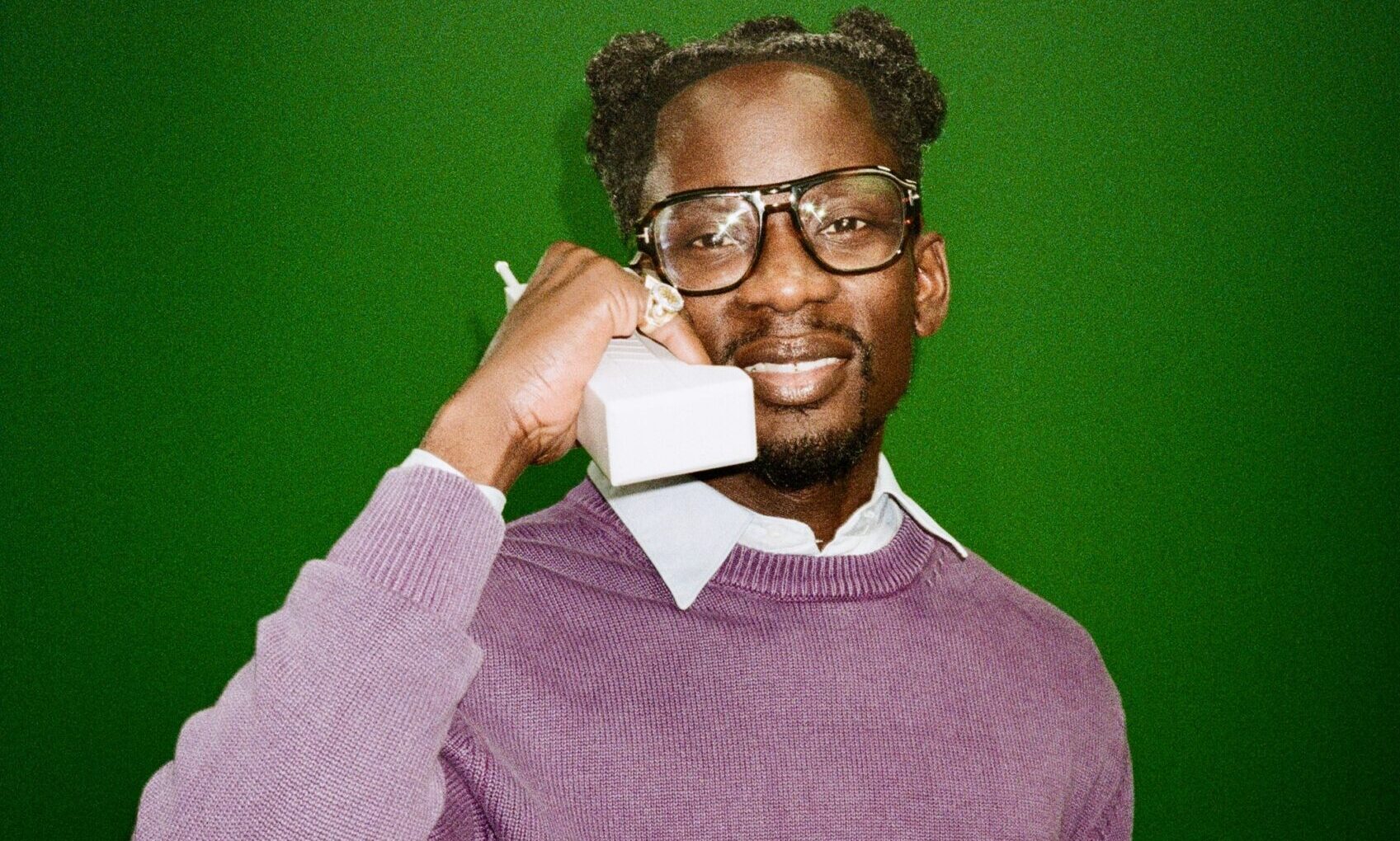
Pilani Bubu (South Africa)
"In the past weeks, I have been focussing on resting, assessing my health and checking my finances ahead of the lockdown. I wrote a to-do list, which includes all my creative projects and businesses, and listed what I can do from home. As a creative artist and entrepreneur, I am used to doing a lot of work that doesn’t pay or at least work that doesn’t always have immediate returns. Upon reviewing the status of my finances and my ability to earn, the prospects didn’t look great and new ideas came to trial on how to make an income during lockdown. This led me back to the power of merchandising and branded content. With my latest project ‘Folklore’, I had just invested in CDs, T-shirts, bags, posters and more to fundraise the work that I’m doing. I am on a drive to continue fundraising on the community website."
Fredokiss (Malawi)
"Music-wise we have some projects that will slow down. For instance, we cannot submit our new videos on international platforms like Trace and MTV since people are not working. Some videos, which we also planned, cannot be filmed because we are awaiting for the lockdown to be lifted in South Africa. I am not an artist who survives on shows and that has not had an impact on me. From a businessman’s perspective, I have been affected by the COVID-19 outbreak in general because I also do cross-border transactions, which are now at a standstill."
Kekelingo (South Africa)
"I am open-minded and staying present to the new way of living that the pandemic is pushing society. I have learnt to be patient and to remain calm. The pandemic has served as a reminder that we still need each other."
Janet Manyowa (Zimbabwe)
"We have not been spared the negative effects of the pandemic, much in the same way as every individual and corporate body worldwide. The crisis has affected our rehearsals and recording process for the upcoming album, and the release plans thereof. Furthermore, the gathering restrictions and eventual lockdown have also led to the postponement and cancellation of several events. There are many life lessons to draw from the epidemic – lessons such as the fact that general hygiene is always important and sometimes it is vital to sacrifice our freedoms for the greater good of the public. More so, as a believer of Jesus Christ, it is important to remember that God is our refuge and strength, an ever-present help in times of trouble."


Most popular
Call for applications: ACCES 2026 Emerging Artist Spotlight Competition
01 Oct 2026

Top amapiano songs of 2026
16 Feb 2026

Top Naija songs of 2026
31 Mar 2026

Top Afrobeats songs of 2026
19 Mar 2026
Open call: 2026 Gender@Work music industry training in Johannesburg
03 Oct 2026
AFRIMA 2026: All the winners
12 Jan 2026
Disclaimer: Music In Africa provides a platform for musicians and contributors to embed music and videos solely for promotional purposes. If any track or video embedded on this platform violates any copyrights please inform us immediately and we will take it down. Please read our Terms of Use for more.

Subscribe to our monthly Newsletter
Follow us on social media


Please log in to post a comment.