




































NEFCISA
NEFCISA

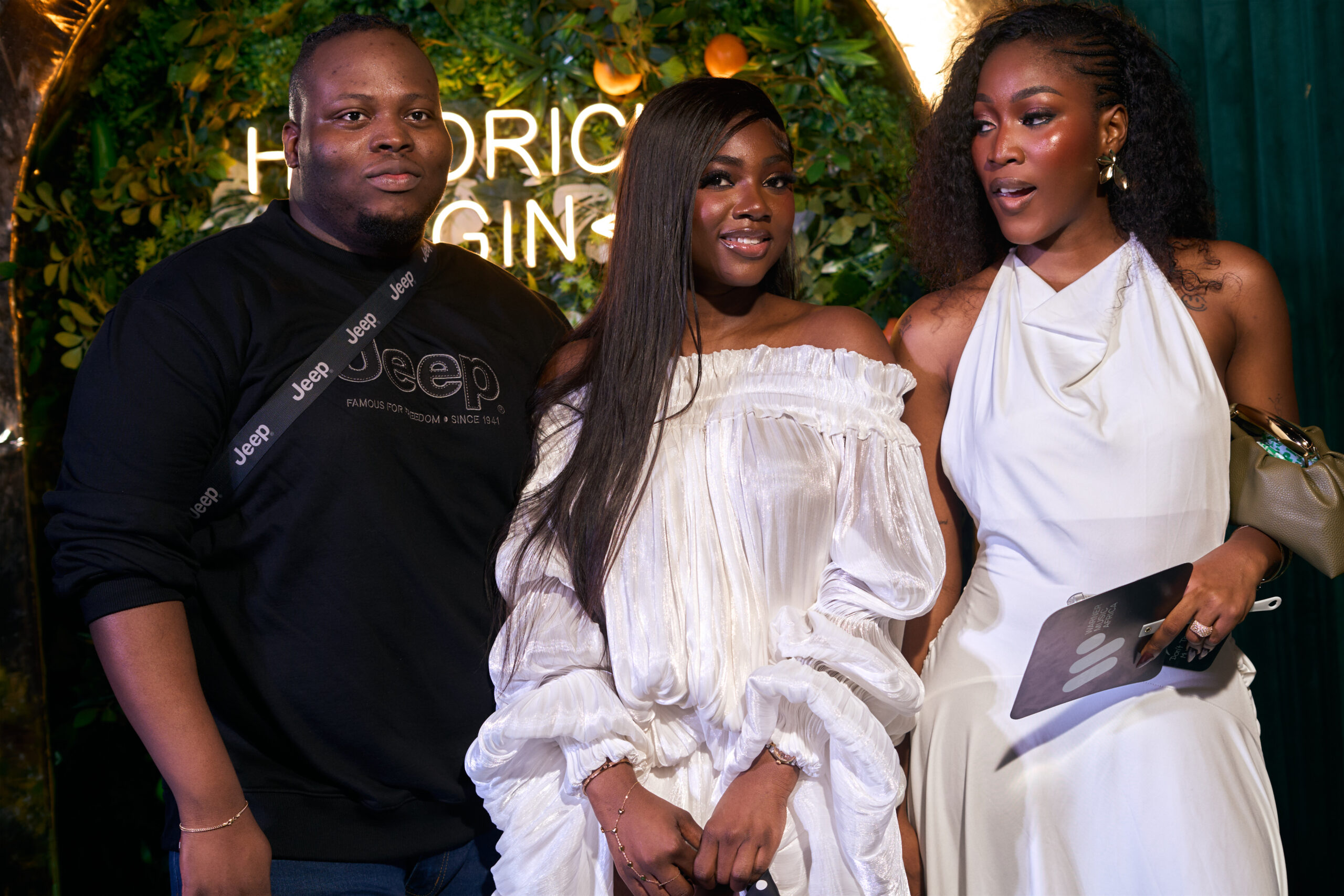
The Music In Africa Foundation (MIAF) is proud of its partnership with the Industrial Development Corporation (IDC) as a Strategic Implementing Partner (SIP) for its Social Employment Fund (SEF). Through this collaboration, MIAF is running a national programme that is creating jobs, addressing skills gaps, and strengthening South Africa's creative industries — in line with the SEF's overarching goal to generate work for the common good and build community value through employment, social contribution, and inclusive economic participation. Operating under the banner NEFCISA (National Employment Facility for Creative Industries in South Africa), the initiative is recruiting and training participants, matching them with host organisations, and has already placed 1 500 workers across the country — surpassing its original target of 1 000. NEFCISA is delivered through a network of 20 host organisations spanning five provinces, who are actively hosting participants and contributing to work for the common good across South Africa's creative and cultural industries. Key Objectives: Support employment and entrepreneurship in the creative industries. Offer skills development and training programmes. Foster partnerships between public and private creative sectors. Promote South African creativity at both provincial and national levels Foster community development through social contribution.

ACCES
ACCES

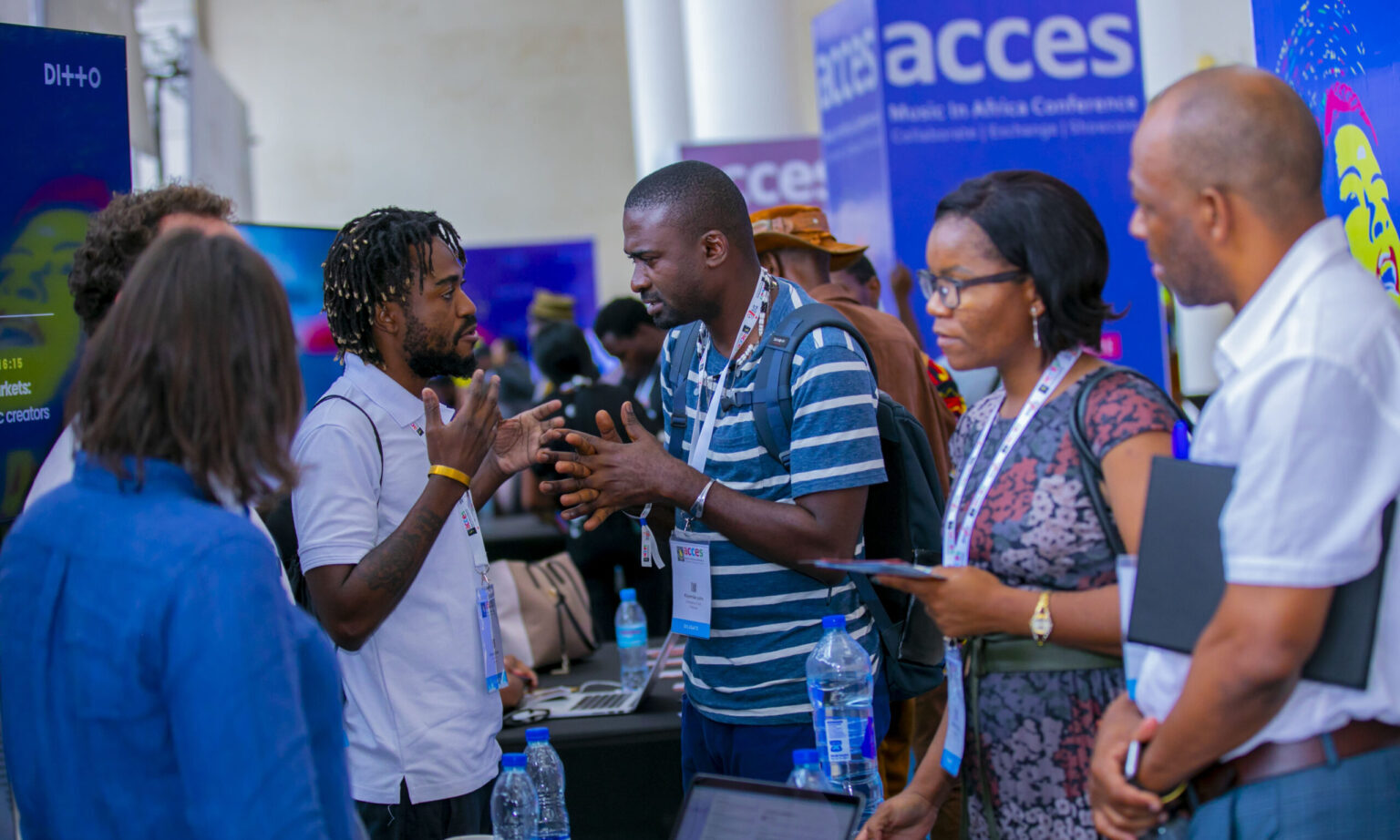
ACCES Conference and Showcase Festival is Africa's leading music industry gathering, bringing together the people shaping the future of the continent's music business. Artists, entrepreneurs, executives, investors, policymakers and cultural leaders from across Africa and around the world come to ACCES to build partnerships, exchange ideas, discover talent and create new business opportunities. Since its launch in 2017, ACCES has become the continent's premier platform for professional exchange and music market development. Combining a high-level conference with a curated showcase festival, networking, exhibitions and industry programmes, ACCES offers a unique space where creativity meets business and where African music connects with the global industry.

Gender@Work
Gender@Work

Music In Africa Gender @ Work is a three-year training programme aimed at upskilling and increasing the participation of female professionals in the African music sector. Launched by the Music In Africa Foundation (MIAF) in April 2019, the programme is connected to the MIAF’s ACCES music conference – a pan-African event held in a different African country every year. This connection enables the programme to reach new participants in a different African country every year. The programme marks the beginning of a more concerted effort by the Foundation to support the participation and inclusion of women in all facets of its programmes and the music sector in Africa as a whole. Over the three years, the programme will aim to address gender imbalances in the sector through training, lobbying, facilitating knowledge exchange and dialogues that foster the interest of women. The broader objectives of the programme are to: Provide industry training for women on critical music industry skills, focusing on: Stage management Electronic music production and recording Music business management Technical knowledge Provide an opportunity for both professional and aspiring women to benefit from the Music In Africa network and its broad range of activities in 2019, 2020 and 2021. Provide a solution-based platform in the form of a round table at ACCES with a view to identify challenges, discuss opportunities and lobby for the interests of female practitioners. Offer participants the opportunity to benefit from programmes offered by MIAF’s partners. Increase access to educational materials. Integrate participants in the broader ACCES programme to maximise experience and exposure to the industry. Record and present training materials on the www.musicinafrica.net, including but not limited to tutorials, templates and other best-practice materials. Communicate women-based themes that support the initiatives and messages of the programme. MAIN TRAINING ACTIVITIES Training in first country (Ghana): In the first year, participants will be trained on all aspects of stage management by a team of experienced stage managers from 10 to 17 November 2019. The programme will offer robust classroom training as well as practical, hands-on training in which participants will also be given the opportunity to manage various aspects of the ACCES performance programme. Training in second country: The second training iteration will take place at ACCES 2020 when the programme will diversify its course to include music production lessons and training on other music business topics. A round-table platform will also be introduced to coincide with the ACCES programme. Training in third country: The third training iteration will take place at ACCES 2021 in a different country, offering an advanced course. HOW DO YOU GET INVOLVED?  As a participant, facilitator or trainer: The programme enrolls up to 12 trainees every year. All opportunities are advertised publicly on this website, and will be added to this page. Please keep checking this page for new calls (below under UPDATES & CURRENT OPPORTUNITIES). As a partner Please contact Claire Metais at [email protected]. APPLY The call for applications for 2020 will be announced soon. The Music In Africa Gender @ Work programme is made possible with the support of the Prince Claus Fund, Siemens Stiftung and Goethe-Institut.

Sound Connects Fund
Sound Connects Fund

For cultural and creative practitioners and organisations operating in southern Africa, access to funding remains a major challenge. The COVID-19 pandemic has also had a massive impact on government policy, spending and the economy in general, and has seen spending on culture being moved further down the list of priorities. Further, the cultural and creative industries repeatedly cite four main areas where investment is needed for growth, which are increased visibility, mobility including access to new markets, finance and support structures.

Instrument Building And Repair Project

Experience the Vibrations African Instruments Exhibition online in 3D

Features

Africa’s next top femcee

22 Jul 2015 - 12:25

cc-img flag-img

By AK

Arguably, it would be correct to point out Jean Grae as Africa’s most accomplished export to the bastion of hip-hop. Born in South Africa as Tsidi Ibrahim, her budding talent germinated and flourished in the rap mecca of New York City, where she was raised. This daughter of South African jazz musician Abdullah Ibrahim (Dollar Brand) didn’t hone her skills in the elite Fiorello H. LaGuardia High School of Music and Performing Arts in Manhattan, where she majored in vocal performance; her sublime lyrical skills have been cultivated by experience and talent that sought creative expression from 1996 until now.
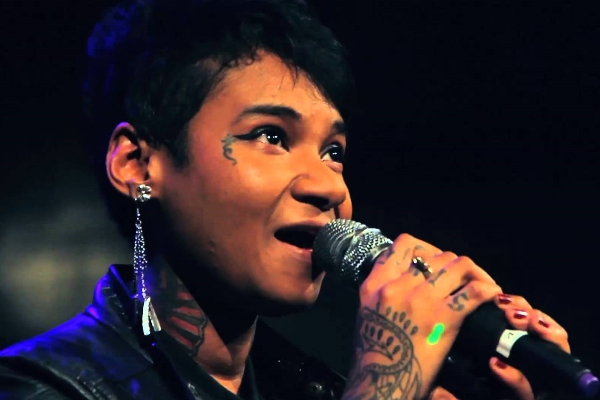
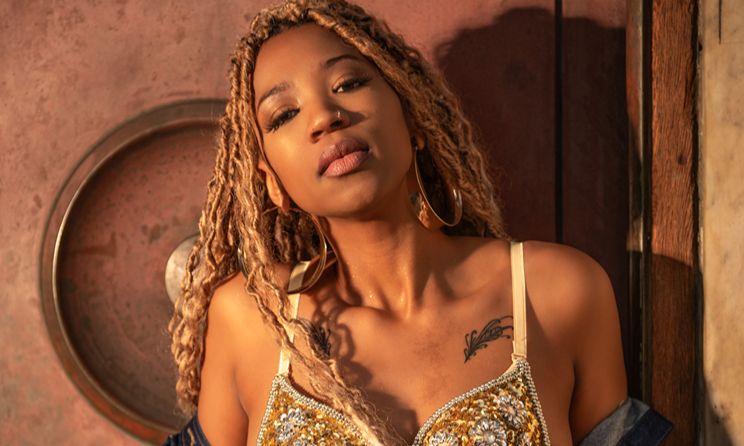
New York-based, South African-born rapper Jean Grae.

Jean Grae’s rapping ability is such that she is NOT your quintessential female emcee, but a rhyming veteran that can spit rings around most of the contemporary male rappers today. If she is not the best femcee there is, she’s within spitting distance of that title.

The notion of the African femcee is inextricably linked to the equally important but totally separate concept of the African woman. The world has changed dramatically since the days of Queen Latifah and MC Lyte and the femcee is on rap’s endangered species list. However, this dearth of capable female rappers or universally acknowledged femcees in the mold of Latifah et al was further impacted by the decline in the commercial viability of rap music in the United States in 2005. No rap albums were among the top ten sellers in 2006.

This same period coincided with the rapid development of indigenous African hip-hop, since the same disaffection with the lyrical content and uber-materialistic philosophy of hip-hop spread through African suburbs and ghettos like it was a pathogen designed by the Umbrella Corp and codenamed the ‘souljahboykillmenow-X1′. Forget Milla Jovovich, rap needed an intervention - a queen bee to beam down from the mother ship to the Motherland. If only…

‘L’art pour l’art’ (or art for art’s sake) works pretty well if you are French or living in one of the so-called socialist paradises of Europe. In reality, in Africa time is money, studio sessions/money, beat makers/money, producer/money, even the power supply is a constant variables that has an effect on your ability to climb to the top of the food chain. So if the odds are that daunting for the guys, what about the ladies? This is where the concept of the African woman rears it’s pretty little head.

Neal Postman wrote in his book, Amusing Ourselves to Death, his belief that the attention span of humans is decreasing as modern technology, especially television, increases. The African woman is almost always historically ignored anyway and her dreams, hopes and aspirations are a mystery, not only to her sons and fathers and lovers, but also to the world itself. Her tale is spun by others as part of a universal tale of feminine disempowerment that only manages to capture the attention of a few while to the majority, it’s just so much ‘white noise (pun intended).

It was Dr. Claudette Carr who said the beauty of Blitz the Ambassador is that he breaks down a mostly inaccessible debate on African development through hip-hop. The discussion veered towards the referencing of the IMF (International Monetary Fund) in his rhymes and it was enlightening to note that the IMF is more likely to be keynoted by South Americans, Latin Americans and people from other places - the organization’s shadowy imprint is an existential fact of their daily life. If we hold it to be true that the sum total of a man is his experience minus his vanity, then where do we place the sum total of the female experience and by extension the African woman’s experience? Because only by acknowledging its worth then can one’s attention be caught, the artistic goals fulfilled and cash registers ultimately ring.

Africa’s next top femcee has to battle against entrenched institutional bias and mind-blowing B.S. in order to get a foothold in a very male-dominated industry, but she is battling in an arena that is sympathetic to the skills she brings to the table. K’Naan, Blitz, Sarkodie, Nneka and M.I. are not all there is or should be to this global conversation surrounding the signs and times of hip-hopdom, Africa has an embarrassment of riches to offer in terms of topical variety and ability.


Originally published on 26 September 2013 on Africanhiphop.com.

Please log in to post a comment.

Most popular

Disclaimer: Music In Africa provides a platform for musicians and contributors to embed music and videos solely for promotional purposes. If any track or video embedded on this platform violates any copyrights please inform us immediately and we will take it down. Please read our Terms of Use for more.

newsletter banner

Subscribe to our monthly Newsletter

Follow us on social media