




































NEFCISA
NEFCISA

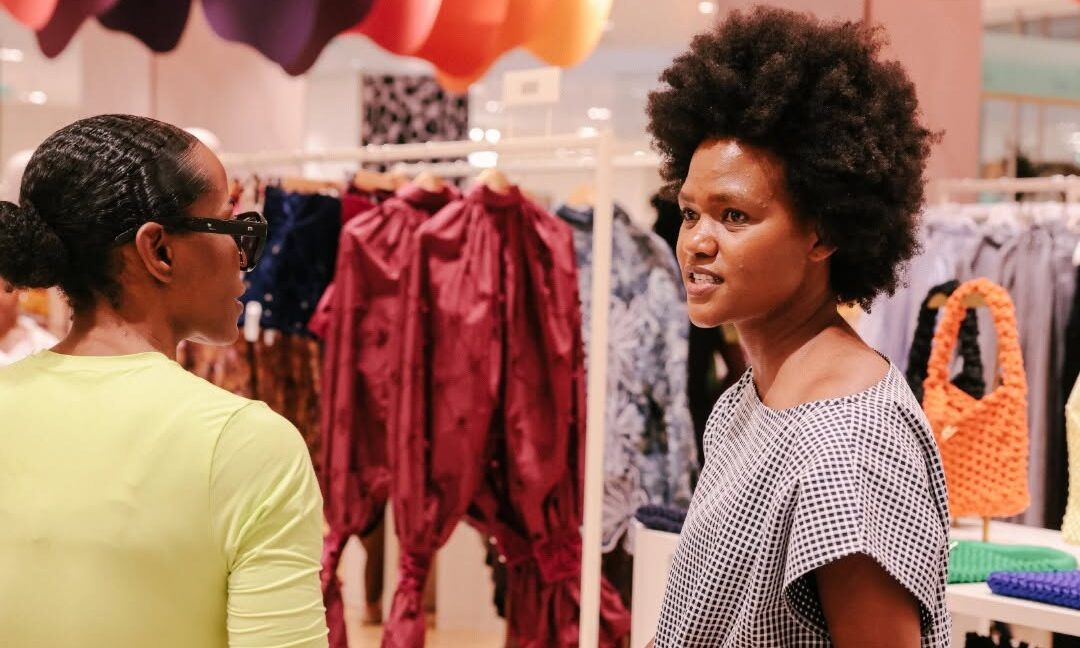
The Music In Africa Foundation (MIAF) is proud of its partnership with the Industrial Development Corporation (IDC) as a Strategic Implementing Partner (SIP) for its Social Employment Fund (SEF). Through this collaboration, MIAF is running a national programme that is creating jobs, addressing skills gaps, and strengthening South Africa's creative industries — in line with the SEF's overarching goal to generate work for the common good and build community value through employment, social contribution, and inclusive economic participation. Operating under the banner NEFCISA (National Employment Facility for Creative Industries in South Africa), the initiative is recruiting and training participants, matching them with host organisations, and has already placed 1 500 workers across the country — surpassing its original target of 1 000. NEFCISA is delivered through a network of 20 host organisations spanning five provinces, who are actively hosting participants and contributing to work for the common good across South Africa's creative and cultural industries. Key Objectives: Support employment and entrepreneurship in the creative industries. Offer skills development and training programmes. Foster partnerships between public and private creative sectors. Promote South African creativity at both provincial and national levels Foster community development through social contribution.

ACCES
ACCES

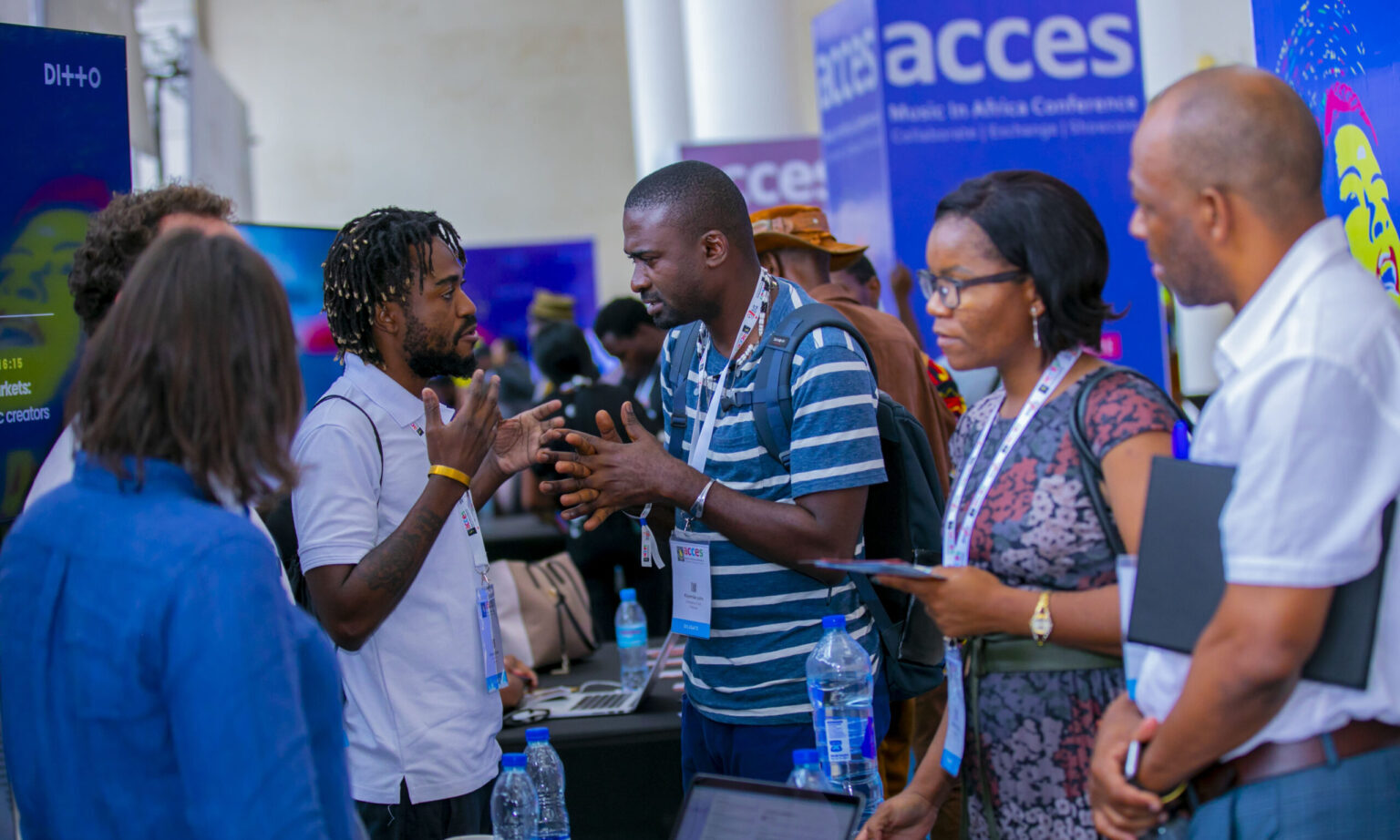
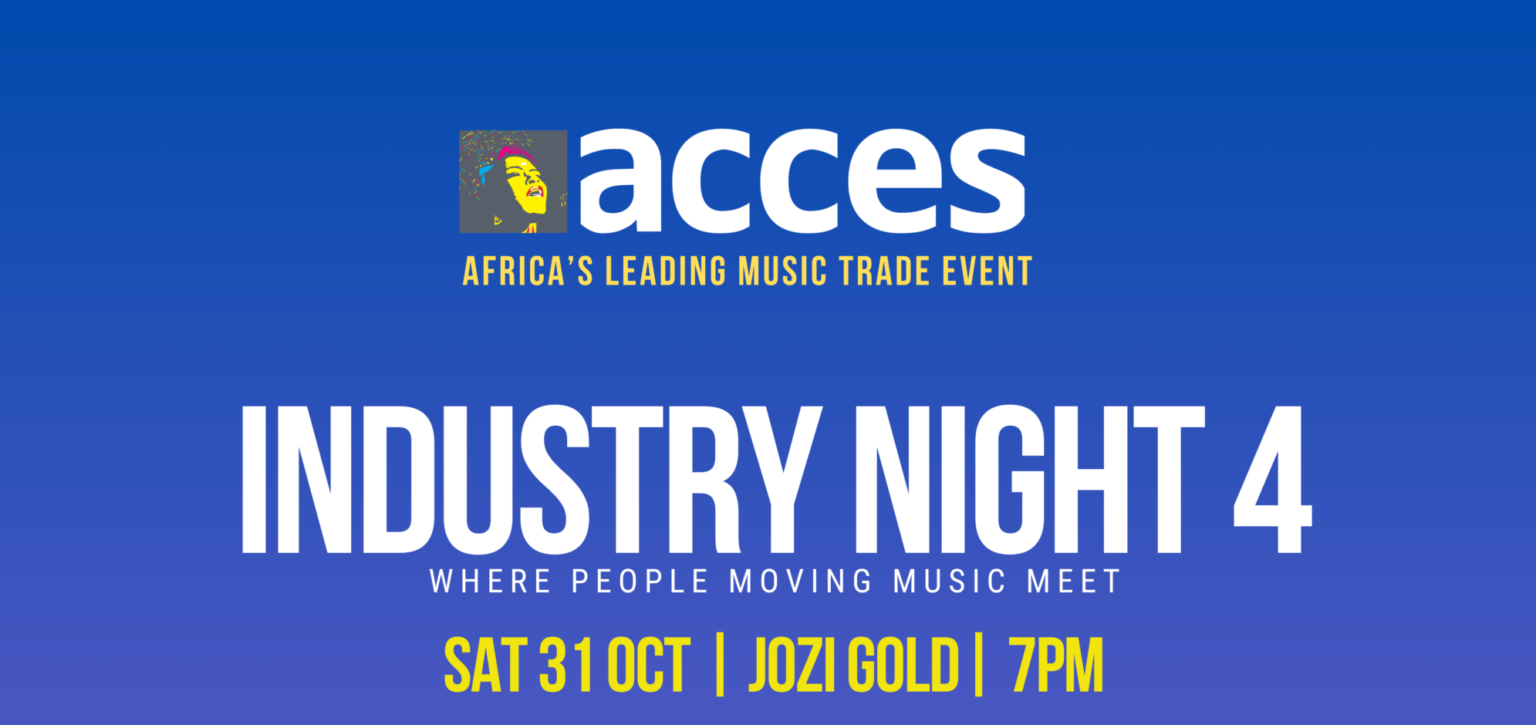
ACCES Conference and Showcase Festival is Africa's leading music industry gathering, bringing together the people shaping the future of the continent's music business. Artists, entrepreneurs, executives, investors, policymakers and cultural leaders from across Africa and around the world come to ACCES to build partnerships, exchange ideas, discover talent and create new business opportunities. Since its launch in 2017, ACCES has become the continent's premier platform for professional exchange and music market development. Combining a high-level conference with a curated showcase festival, networking, exhibitions and industry programmes, ACCES offers a unique space where creativity meets business and where African music connects with the global industry.

Gender@Work
Gender@Work

Music In Africa Gender @ Work is a three-year training programme aimed at upskilling and increasing the participation of female professionals in the African music sector. Launched by the Music In Africa Foundation (MIAF) in April 2019, the programme is connected to the MIAF’s ACCES music conference – a pan-African event held in a different African country every year. This connection enables the programme to reach new participants in a different African country every year. The programme marks the beginning of a more concerted effort by the Foundation to support the participation and inclusion of women in all facets of its programmes and the music sector in Africa as a whole. Over the three years, the programme will aim to address gender imbalances in the sector through training, lobbying, facilitating knowledge exchange and dialogues that foster the interest of women. The broader objectives of the programme are to: Provide industry training for women on critical music industry skills, focusing on: Stage management Electronic music production and recording Music business management Technical knowledge Provide an opportunity for both professional and aspiring women to benefit from the Music In Africa network and its broad range of activities in 2019, 2020 and 2021. Provide a solution-based platform in the form of a round table at ACCES with a view to identify challenges, discuss opportunities and lobby for the interests of female practitioners. Offer participants the opportunity to benefit from programmes offered by MIAF’s partners. Increase access to educational materials. Integrate participants in the broader ACCES programme to maximise experience and exposure to the industry. Record and present training materials on the www.musicinafrica.net, including but not limited to tutorials, templates and other best-practice materials. Communicate women-based themes that support the initiatives and messages of the programme. MAIN TRAINING ACTIVITIES Training in first country (Ghana): In the first year, participants will be trained on all aspects of stage management by a team of experienced stage managers from 10 to 17 November 2019. The programme will offer robust classroom training as well as practical, hands-on training in which participants will also be given the opportunity to manage various aspects of the ACCES performance programme. Training in second country: The second training iteration will take place at ACCES 2020 when the programme will diversify its course to include music production lessons and training on other music business topics. A round-table platform will also be introduced to coincide with the ACCES programme. Training in third country: The third training iteration will take place at ACCES 2021 in a different country, offering an advanced course. HOW DO YOU GET INVOLVED?  As a participant, facilitator or trainer: The programme enrolls up to 12 trainees every year. All opportunities are advertised publicly on this website, and will be added to this page. Please keep checking this page for new calls (below under UPDATES & CURRENT OPPORTUNITIES). As a partner Please contact Claire Metais at [email protected]. APPLY The call for applications for 2020 will be announced soon. The Music In Africa Gender @ Work programme is made possible with the support of the Prince Claus Fund, Siemens Stiftung and Goethe-Institut.

Sound Connects Fund
Sound Connects Fund

For cultural and creative practitioners and organisations operating in southern Africa, access to funding remains a major challenge. The COVID-19 pandemic has also had a massive impact on government policy, spending and the economy in general, and has seen spending on culture being moved further down the list of priorities. Further, the cultural and creative industries repeatedly cite four main areas where investment is needed for growth, which are increased visibility, mobility including access to new markets, finance and support structures.

Instrument Building And Repair Project

Experience the Vibrations African Instruments Exhibition online in 3D

News

Agency calls for relaxed visa requirements for Africans performing in UK

25 Oct 2018 - 11:11

cc-img flag-img

Clementine Bunel, an agent at the UK's Coda Musc Agency, has challenged the British government for its harsh visa laws, which she reports are negatively impacting the movement of African artists in the region.  
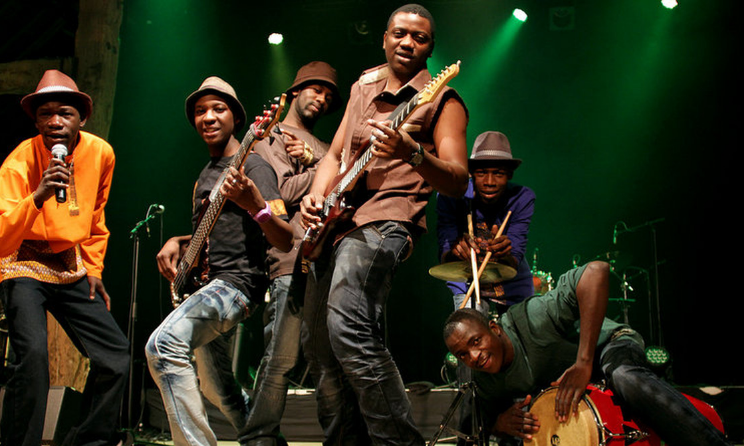
 

Zimbabwean band Mokoomba are among the African acts that have had challenges with the UK visa system.

In an article featured in IQ magazine, Bunel said the visa processing fees required for African artists to perform in the UK are exorbitant and deplorable. Titled Keeping The Doors Open for African Music, the article addresses some of the challenges faced by African artists in acquiring travel permits to perform in the UK.

“I have been working with some great artists who have always required a visa to come play in the UK, sometimes at great expense – with the cost of a UK visa being £244 [$315] per person for the ‘cheap’ option,” Bunel wrote. “Artists from Mali, for example, cannot apply in their own country and instead have to fly to Senegal to submit their UK application. Their passports then have to be sent to Sheffield in the UK for processing, which can take up to four weeks.

“They then they have to wait, anxiously, hoping that their visas are ready in time for them to travel. To the cost of the visa itself, you can add the expense of travelling back and forth and potential accommodation costs. If they are applying for an extended visa to cover a longer period, they will also have to pay for NHS fees and tests for tuberculosis, if applicable. It all adds up,” she wrote.

Bunel said the process of getting a UK visa was costsly, time-consuming and nerve-wracking.

“But the ambition to conquer the UK prevails and a lot of bands do invest, sacrificing their fees sometimes just to get to the UK,” said Brunel. “As an agent representing African artists, I spend a lot of my time handling visa-related issues.

“It’s getting more stressful, but if this is what we have to do to ensure we welcome these artists to the UK and Europe in order to bring diversity into the musical landscape and to festival bills, then I will continue to do so with pride.”

Bunel said she felt aggrieved by music industry professionals who only raise their eyebrows in situations that adversely affect big countries.

“I am equally angry to see that it takes a situation that directly impacts US artists for the industry to stand up and make some noise and finally admit how bad the situation is. Artists from Africa who are booked to play UK festivals are here to perform, so why would their presence not be as important as US artists?”

She went on to add: “[African artists] can also sell tickets, get radio playlists and gather impressive streams. They also have stories to tell and all that matters, like Malian band Songhoy Blues, who fought for their right to sing when Islamic jihadists banned music, and gay South African artist Nakhane, who – having embraced his sexuality – had to leave his country to find safety.

“Not your average indie band, right?” she questioned.

Bunel challenged the media for turning a blind eye on success stories that emerge from Africa.

“While we get fed stories from the news painting Africa as a continent that 'needs help', how about getting the real stories about contemporary Africa that have something to say and do something about it. This is something Coda Agency has supported me with since I joined,” she said. “This is where our industry has to do better. Since Brexit [the British withdrawal from the European Union] was announced, I have seen more hunger from within the media and creatives to champion and support music that is not from the US or the UK.

“A door has opened but, unfortunately, to quote a recent tweet from Jon Snow, the Home Office is making it a ‘hostile environment’ for touring musicians who do not hold a passport that doesn’t require them to apply for a UK visa. Price increases and processing times are getting to the point where some bands will refuse to play a UK festival or accept a UK tour just because of the sometimes humiliating process of applying for a visa. That directly impacted a number of festivals this summer – and it will continue to do so if we do not react to this nonsense that is making the UK close its doors to diversity.”

Effect of Brexit on touring African artists

Bunel argued that the withdrawal of Britain from the European Union will further hinder the movement of artists to the UK.

“As a European living in London for more than ten years, Brexit has thrown a little shade on what my future looks like here, and, like many others, I am anxiously waiting for it to unfold,” she said. “But I feel fortunate that I currently live here, work here and have freedom of movement.

“One of the talking points in the music industry and one of the unforeseen consequences of Brexit is how it will affect non-European artists who start their tour in the Republic Ireland before heading to the UK. It will, theoretically, no longer be possible for artists to do so without applying for a UK visa. I am angry that there is now another obstacle to enter the UK, and it is once again to the detriment of the arts. But this is a much wider issue, and not only about Brexit, which is only the tip of the iceberg here.”

Please log in to post a comment.

Most popular

Disclaimer: Music In Africa provides a platform for musicians and contributors to embed music and videos solely for promotional purposes. If any track or video embedded on this platform violates any copyrights please inform us immediately and we will take it down. Please read our Terms of Use for more.

newsletter banner

Subscribe to our monthly Newsletter

Follow us on social media