











































ARMC 2026 strengthens African music innovation and collaboration

26 May 2026 - 12:36


By Nikilitha Guda, Khotso Masilela, Tsholo Moteka and Qhawe Shoba
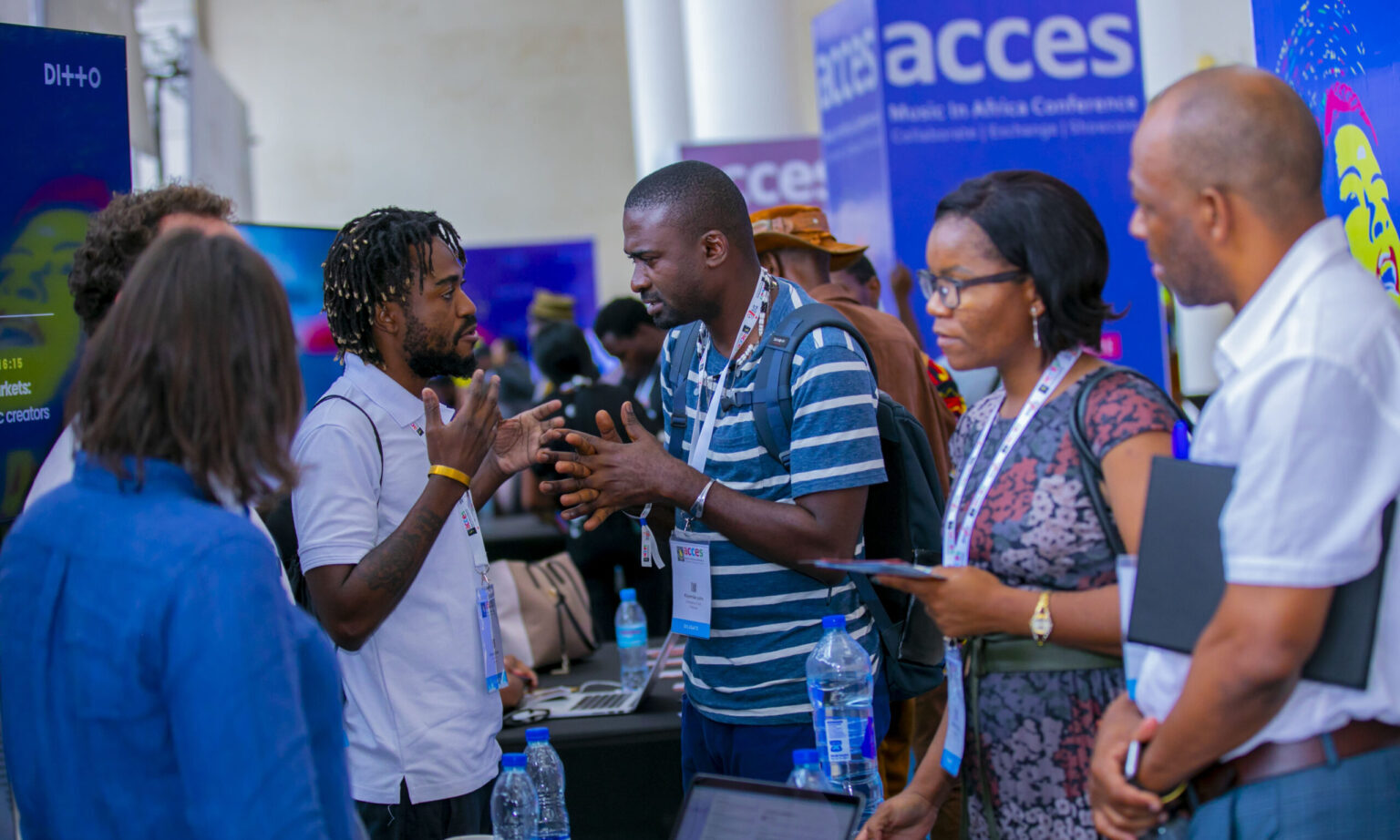
The Africa Rising Music Conference (ARMC) 2026 returned to Johannesburg’s Constitution Hill on 22 and 23 May, bringing together artists, executives, entrepreneurs, policymakers and creatives for two days of discussions centred on the future of African music, technology and industry development.
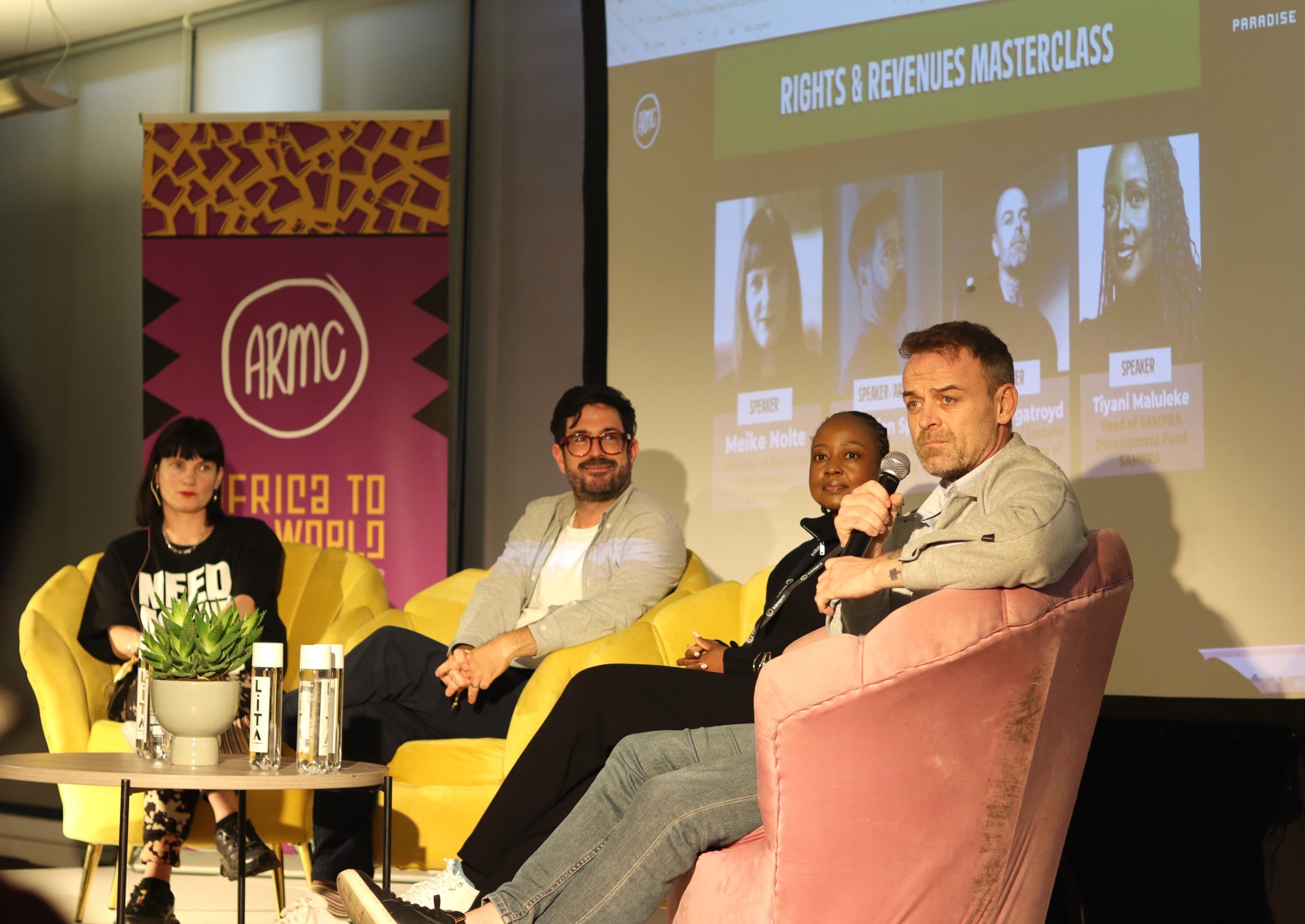
Over the course of the event, conversations moved beyond broad ideas about the music business and instead focused on practical issues including creator ownership, audience growth, mental health, emerging technology and sustainable careers. While the conference maintained its networking appeal, this year’s programme placed particular emphasis on actionable outcomes and cross-border collaboration.
Daytime sessions explored the rapidly changing relationship between artists and audiences, with speakers examining fan engagement, digital strategy and revenue generation. A panel on the international export potential of traditional genres such as maskandi and lekompo highlighted the increasing appetite for local sounds in global markets.
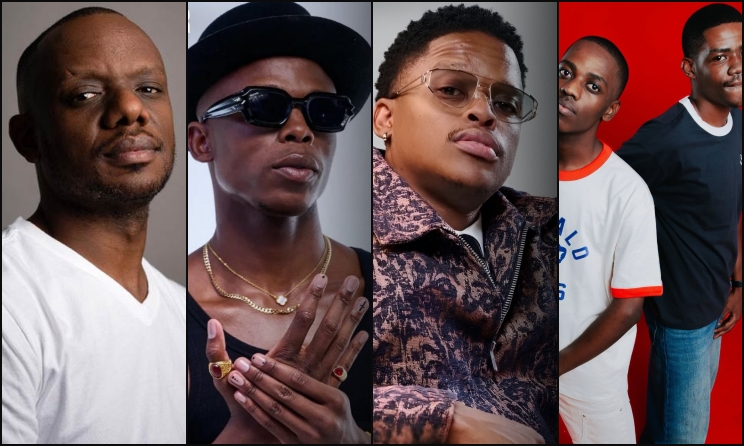
Moderator Niquita Joseph stressed the importance of building momentum around music releases through sustained audience engagement rather than relying solely on launch-day promotion. Panellists including Ameen Harron and TRESOR also discussed the value of authentic brand partnerships and the role of constructive criticism in artistic development.
Education and skills development emerged as recurring themes throughout the conference. One of the major announcements was the launch of the Music Mentorship Programme for South African Artists, created through a partnership involving ARMC, Paradise Worldwide and the German Embassy in Pretoria.
According to organisers, five selected artists will receive support covering areas including release strategy, international mentorship, visual content development and professional promotional resources.
Marten Menger said: “Music and diplomacy share many traits. They connect people. They foster collaboration. When successful, they create something bigger than the sum of its parts. ARMC’s Mentorship Programme for South African Artists is about just that: connections between German and South African artists to create something beautiful.”
International collaboration was also reflected in workshops supported by the Australian High Commission and regional partners, which explored touring routes and industry integration opportunities, with particular attention given to East Africa's expanding music ecosystem.
South African R&B artist Elaine participated in a keynote session with Southern African Music Rights Organisation examining how artists can preserve creative autonomy while working with major international labels.
SAMRO general manager Karabo Senna highlighted the role of industry gatherings in professional development, arguing that platforms such as ARMC are essential for equipping younger professionals with practical knowledge.
Emerging talent was also integrated into the programme. Music collective Cradle Crew opened one of the live sessions and described the opportunity as an important step in their development through the conference’s mentorship initiatives.
By evening, the conference shifted into its live showcase programme, ARMC by Night, blending networking with performances from local and international acts. Hip-hop performances from artists including Rouge and Young Duragg formed part of the line-up.
The second day introduced a wellness-focused discussion through the Sound Mind initiative, which addressed mental health challenges within the music industry. Speakers examined the pressures associated with performance, visibility and maintaining long-term careers in creative spaces.
Technology discussions also featured prominently. Germany’s Fraunhofer IDMT led sessions on artificial intelligence, creator rights and digital copyright protection. A separate royalties and revenue panel identified several areas artists should prioritise building direct relationships with audiences and retaining audience data, ensuring accurate music metadata and credits, registering works and claiming royalties within shortened payment windows and understanding the legal implications of AI-generated material.
Speakers argued that artists increasingly need to understand the administrative and technological aspects of their careers alongside creative development.
The Berlin AI Think Tank in Africa further expanded these conversations by bringing together representatives from organisations including SAMPRA, CAPASSO, AIxchange and the Association for Electronic Music to discuss issues surrounding consent, licensing and remuneration in AI-driven music environments.
Cross-cultural exchange was another prominent feature of the conference. A networking reception connecting South African and Australian delegates included performances by Australian artist DOBBY, whose improvised collaboration with local rappers became one of the event's more memorable moments.
Frank Rodi said: “ARMC provides an important platform to bring together artists and industry from around Africa and the world to exchange experiences, knowledge and ideas.”
For artists returning to the platform, the value extended beyond performances.
Rouge said: “I’ve made so many meaningful connections through this platform and witnessed firsthand how important these spaces are for African creatives. ARMC is more than just a conference; it’s a growing movement that the global music industry should be paying close attention to.”
By the end of the two-day event, ARMC 2026 had reinforced its position as more than a conference centred on discussion panels and live performances. It increasingly functions as a meeting point where industry ideas, technological developments and practical opportunities intersect, creating pathways for collaboration that extend beyond the event itself.
The organisers have announced that the next edition of ARMC will take place on 21 and 22 May 2027.


Most popular

Top amapiano songs of 2026
16 Feb 2026

Top Naija songs of 2026
31 Mar 2026

Top Afrobeats songs of 2026
19 Mar 2026
Open call: 2026 Gender@Work music industry training in Johannesburg
09 Oct 2026
ACCES unveils stellar programme for 2026 edition
17 Oct 2026
The big interview: Temwa Gondwe on CANEX WKND 2026 – part 1
19 Oct 2026
Disclaimer: Music In Africa provides a platform for musicians and contributors to embed music and videos solely for promotional purposes. If any track or video embedded on this platform violates any copyrights please inform us immediately and we will take it down. Please read our Terms of Use for more.

Subscribe to our monthly Newsletter
Follow us on social media


Please log in to post a comment.