





































NEFCISA
NEFCISA

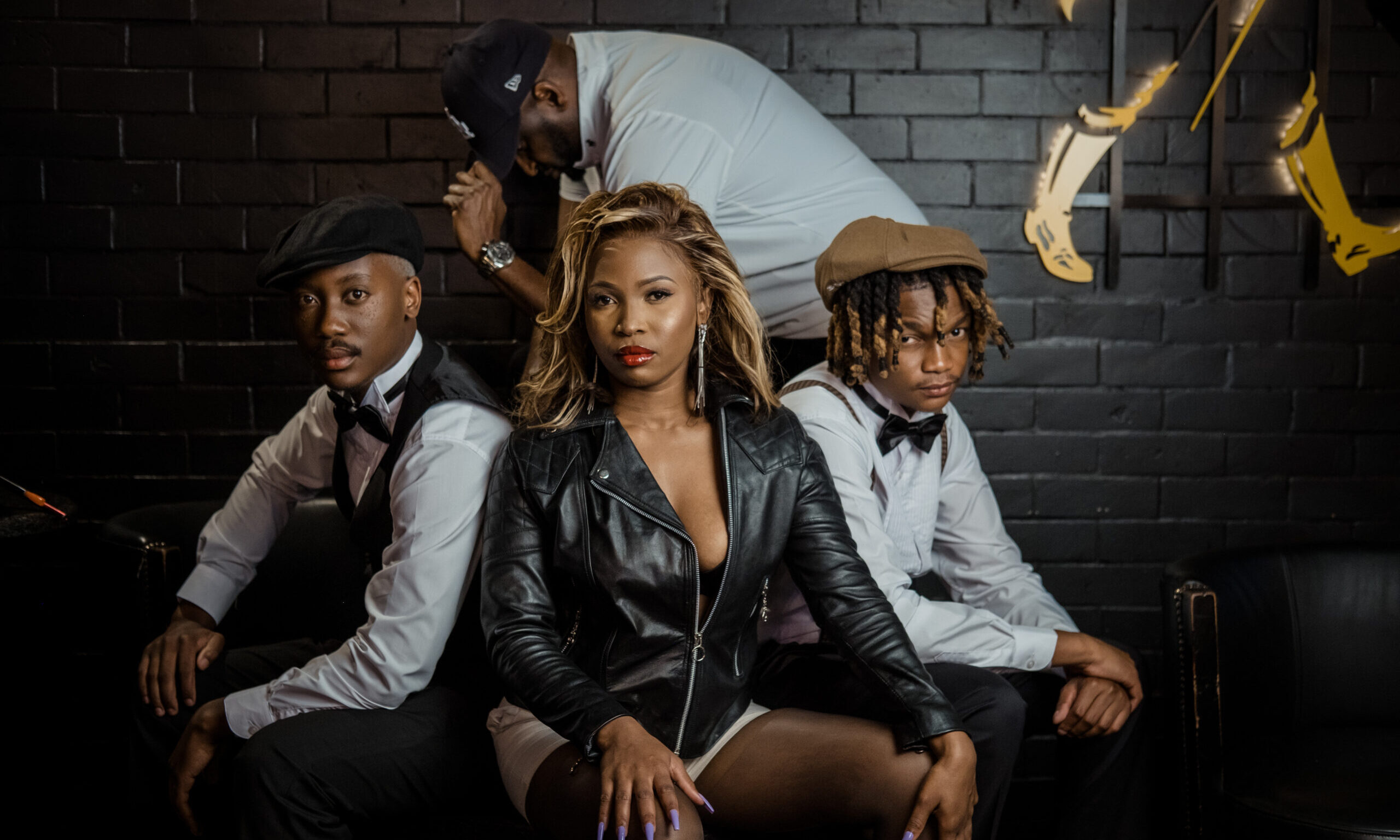
The Music In Africa Foundation (MIAF) is proud of its partnership with the Industrial Development Corporation (IDC) as a Strategic Implementing Partner (SIP) for its Social Employment Fund (SEF). Through this collaboration, MIAF is running a national programme that is creating jobs, addressing skills gaps, and strengthening South Africa's creative industries — in line with the SEF's overarching goal to generate work for the common good and build community value through employment, social contribution, and inclusive economic participation. Operating under the banner NEFCISA (National Employment Facility for Creative Industries in South Africa), the initiative is recruiting and training participants, matching them with host organisations, and has already placed 1 500 workers across the country — surpassing its original target of 1 000. NEFCISA is delivered through a network of 20 host organisations spanning five provinces, who are actively hosting participants and contributing to work for the common good across South Africa's creative and cultural industries. Key Objectives: Support employment and entrepreneurship in the creative industries. Offer skills development and training programmes. Foster partnerships between public and private creative sectors. Promote South African creativity at both provincial and national levels Foster community development through social contribution.

ACCES
ACCES

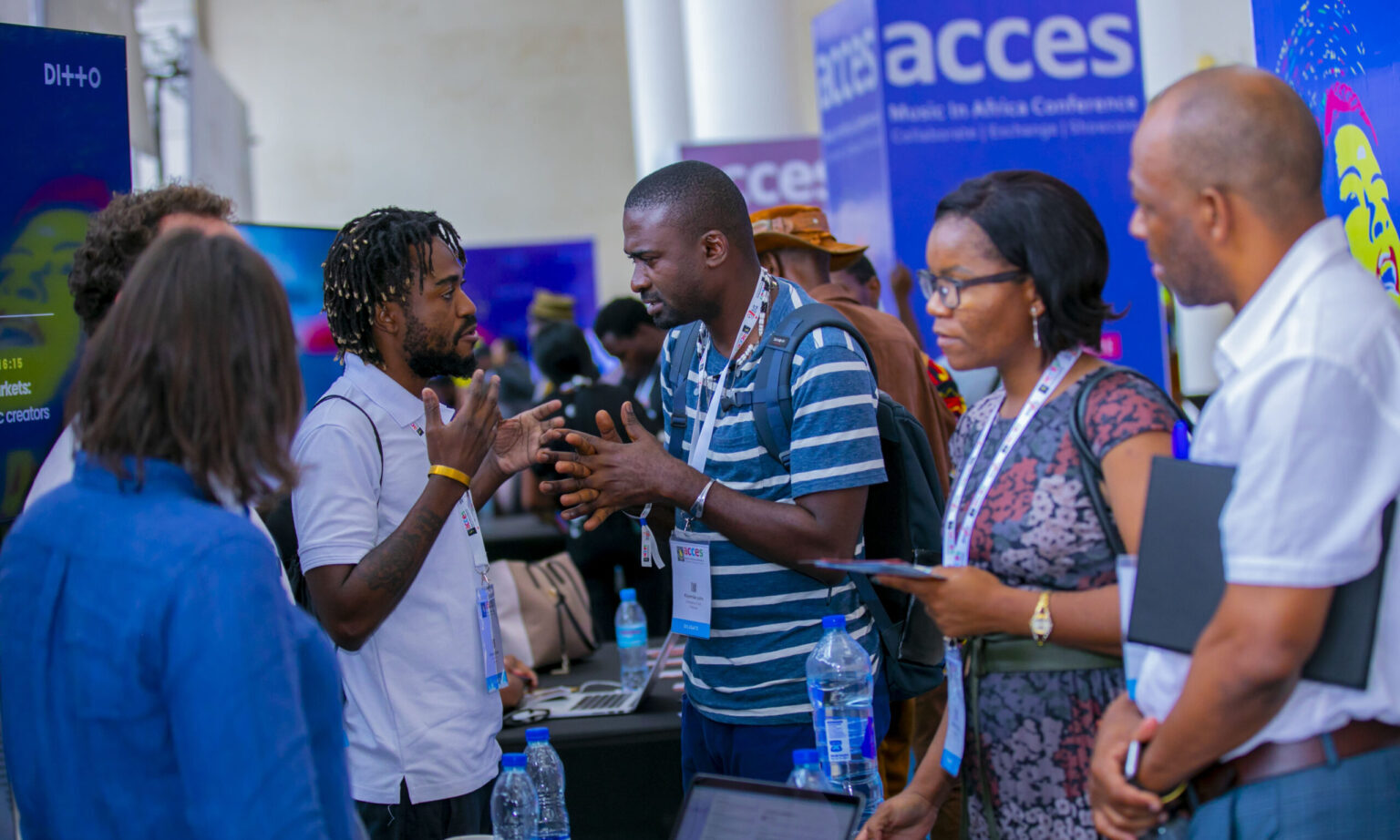
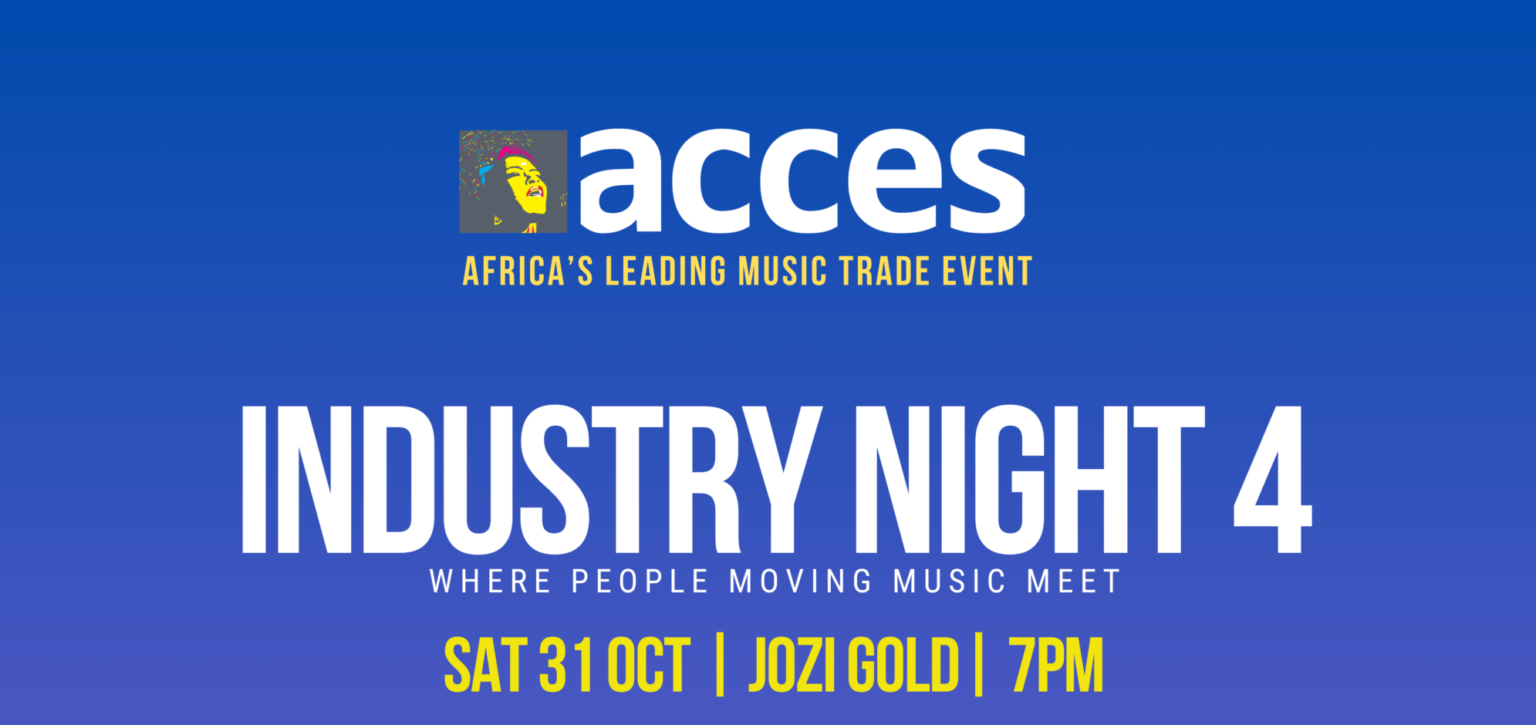
ACCES Conference and Showcase Festival is Africa's leading music industry gathering, bringing together the people shaping the future of the continent's music business. Artists, entrepreneurs, executives, investors, policymakers and cultural leaders from across Africa and around the world come to ACCES to build partnerships, exchange ideas, discover talent and create new business opportunities. Since its launch in 2017, ACCES has become the continent's premier platform for professional exchange and music market development. Combining a high-level conference with a curated showcase festival, networking, exhibitions and industry programmes, ACCES offers a unique space where creativity meets business and where African music connects with the global industry.

Gender@Work
Gender@Work

Music In Africa Gender @ Work is a three-year training programme aimed at upskilling and increasing the participation of female professionals in the African music sector. Launched by the Music In Africa Foundation (MIAF) in April 2019, the programme is connected to the MIAF’s ACCES music conference – a pan-African event held in a different African country every year. This connection enables the programme to reach new participants in a different African country every year. The programme marks the beginning of a more concerted effort by the Foundation to support the participation and inclusion of women in all facets of its programmes and the music sector in Africa as a whole. Over the three years, the programme will aim to address gender imbalances in the sector through training, lobbying, facilitating knowledge exchange and dialogues that foster the interest of women. The broader objectives of the programme are to: Provide industry training for women on critical music industry skills, focusing on: Stage management Electronic music production and recording Music business management Technical knowledge Provide an opportunity for both professional and aspiring women to benefit from the Music In Africa network and its broad range of activities in 2019, 2020 and 2021. Provide a solution-based platform in the form of a round table at ACCES with a view to identify challenges, discuss opportunities and lobby for the interests of female practitioners. Offer participants the opportunity to benefit from programmes offered by MIAF’s partners. Increase access to educational materials. Integrate participants in the broader ACCES programme to maximise experience and exposure to the industry. Record and present training materials on the www.musicinafrica.net, including but not limited to tutorials, templates and other best-practice materials. Communicate women-based themes that support the initiatives and messages of the programme. MAIN TRAINING ACTIVITIES Training in first country (Ghana): In the first year, participants will be trained on all aspects of stage management by a team of experienced stage managers from 10 to 17 November 2019. The programme will offer robust classroom training as well as practical, hands-on training in which participants will also be given the opportunity to manage various aspects of the ACCES performance programme. Training in second country: The second training iteration will take place at ACCES 2020 when the programme will diversify its course to include music production lessons and training on other music business topics. A round-table platform will also be introduced to coincide with the ACCES programme. Training in third country: The third training iteration will take place at ACCES 2021 in a different country, offering an advanced course. HOW DO YOU GET INVOLVED?  As a participant, facilitator or trainer: The programme enrolls up to 12 trainees every year. All opportunities are advertised publicly on this website, and will be added to this page. Please keep checking this page for new calls (below under UPDATES & CURRENT OPPORTUNITIES). As a partner Please contact Claire Metais at [email protected]. APPLY The call for applications for 2020 will be announced soon. The Music In Africa Gender @ Work programme is made possible with the support of the Prince Claus Fund, Siemens Stiftung and Goethe-Institut.

Sound Connects Fund
Sound Connects Fund

For cultural and creative practitioners and organisations operating in southern Africa, access to funding remains a major challenge. The COVID-19 pandemic has also had a massive impact on government policy, spending and the economy in general, and has seen spending on culture being moved further down the list of priorities. Further, the cultural and creative industries repeatedly cite four main areas where investment is needed for growth, which are increased visibility, mobility including access to new markets, finance and support structures.

Instrument Building And Repair Project

Experience the Vibrations African Instruments Exhibition online in 3D

Overviews

Cool-Catché in West Africa

20 Oct 2016 - 13:31

cc-img flag-img

Cool-Catché has created tremendous buzz over the past few years ago. The band Toofan introduced the dance which gave a new identity to Togolese music.Today, Cool-Catché is danced by several artists in Africa inspiring other genres like Gwetta Congolo or Gwetta Agbadja.
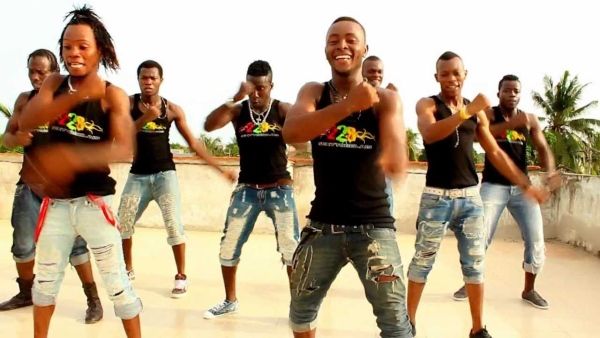
(Photo):Screen capture of Toofan video clip « Soldats du Cool-Catché »

It all started in Gbadago, a poor district of the Togolese capital. The most popular band in Togo, composed of two childhood friends, Fatowou Kossivi (MasterJust), known as "ambianceur" (crowd-warmer) and Blaise Mensah (Barabas), called " Le Magicien” (the magician), toaster and rapper of the band, launched a new dance called Cool-Catché. The band started with three members until Allone left for Europe to pursue his solo career.

The origins of Cool-Catché

The two young men gradually gave a new identity to Togolese and west-African music with their new concept: a dance with movements of the neck accompanied by rhythmic dance steps.

According to the band Toofan, this trend came from the Gbadago district where they grew up. Barabas explained: “The inspiration came from the street. Some young Togolese often ‘carry their house on their back’. They sometimes visit us carrying their backpack containing all their belongings: toothbrush, towel, clothes, bread etc.

Despite their concerns, they live happily. We have indeed met young people like that, who came to spend time with us in the studio with their backpack. One day, one of them forgot his bag. We tried to open it and discovered that it contained all he had. This is how Cool-Catché was born."

Cool-Catché, inspired by the daily life of young resourceful people of Lomé, won over fans through several singles released on the market. When asked about the meaning of the dance, the leader of the band, MasterJust, explained: " Cool-Catché is someone who manages to keep smiling through it all. Cool-Catché simply means ‘it’s cool’ in the district. We move our bodies to shake off all problems and keep smiling and enjoy life.”

After the success of Cool-Catché, Toofan launched the Gwetta in 2014, which was a success.

For Toofan, trends have a life expectancy. Thus, they plan to launch another dance by 2016. "Cool-Catché is very popular in the sub-region of west Africa and elsewhere” adds Master Just. “In 2005, we created the Ogbragada, a mix of rap and ambiance music.

Later we created the Cool-Catché followed by the Gwetta. Few people know that we created the Coinè Coinè and other dances not yet on the market. After celebrating our 10th year in showbiz, we are going to announce a new very powerful rhythm which will be released in 2016."

To promote this dance, the cultural promoters even organized a national competition for best dancer of Cool-Catché in 2013. Togolese artists have welcomed the new genre which is now played in bars, nightclubs, on radio and TV channels.

“It is thanks to Cool-Catché that the Togolese music was able to conquer the countries of the sub-region. Togolese people can be proud; Cool-Catché is our musical flag like the Coupé-Décalé in Ivory Coast, the Tonhonin Benin or the Skelewu in Nigeria. I embraced this trend even though I am a gospel artist,” confided the Togolese artist, Papson Moutité.

A global success

Cool-Catché is already popular in the sub-region of West Africa. Several African artists including Chidinma, Detox, Dj Arafat, Eddie Kenzo, Charlie Watta, Black Kent, and Jessy Matador have come forward to work collaboratively on the Togolese band’s projects.

The euphoria conquered almost all the capitals of western Africa (Cotonou, Ouagadougou, Abidjan, Accra, and Lagos) and Toofan received several international awards following their achievement.

The band was awarded ‘Best artist from West Africa’ at the Kundé d’Or in Ouagadougou, Burkina Faso in December 2010. A few years later, the band won the trophy of the "Best Song of WestAfrica” during the “Online African Music Awards“ in New York.

In 2010, the band was nominated at the prestigious Kora Awards for "Most Promising African group”. Toofan was also awarded “Best Francophone Artist” in2014 at the MTV Africa Music Awards.

They eventually got noticed by the CAN 2015 (African Cup of Nations) and were commissioned for composing and arranging “HolaHola", the official song of the continental sports event.

“When we talk about soccer, it’s all about the ambiance. Soccer represents happy moments for us. Africa feels united and speaks the same language,” Master Just said on Africa 24.

The band’s next goal is conquering the European music market. It aims at reaching the African Diaspora which welcomed its numerous performances outside the African continent. Already Toofan has exported their talents to other parts of the world. From 2010 to 2015, they toured Belgium, Germany, Mexico and the United States.

“For me, Cool-Catchéis a physical performance. A vital rhythm to the music industry in Togo and almost everywhere in western Africa," explained Eros Noare, director of Ghotta international production audio-visual label.

Cool-Catché, it appears, has made a lasting impression on an entire generation.


Links:
Toofan’s official website
Eros Noare biography

Please log in to post a comment.

Most popular

Disclaimer: Music In Africa provides a platform for musicians and contributors to embed music and videos solely for promotional purposes. If any track or video embedded on this platform violates any copyrights please inform us immediately and we will take it down. Please read our Terms of Use for more.

newsletter banner

Subscribe to our monthly Newsletter

Follow us on social media