




























































Detroit’s Paxton/Spangler Septet pays tribute to Abdullah Ibrahim on Theme for The New Nation

16 Jul 2021 - 12:22


American jazz band Paxton/Spangler Septet’s new South Africa-facing album Theme for The New Nation is a meandering journey into the soul of a people with the group’s deep interpretation of compositions by legendary South African pianist Abdullah Ibrahim.
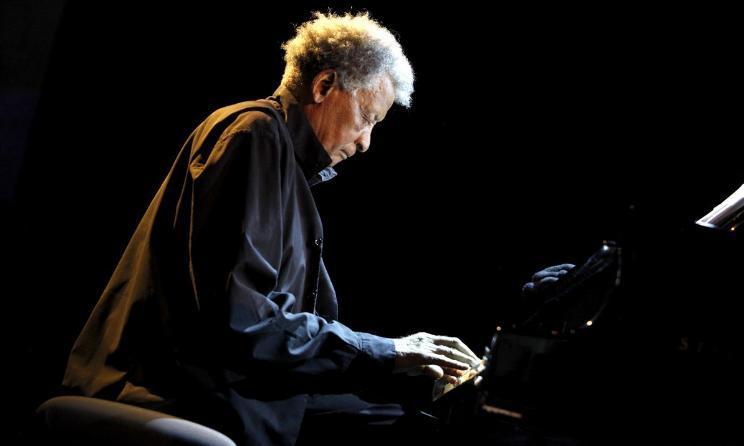
The project inherits its name from a song taken off Ibrahim’s 1979 album African Marketplace, and pays homage to the jazz maestro as the last living South African music hero. The septet is led by trombonist John ‘Tbone’ Paxton and drummer RJ Spangler. The two began playing South African jazz as part of their Sun Sounds Orchestra repertoire and after the band’s release of the album Open the Doors in 1991. The project boasted many songs from The Johannesburg Street Band’s 1968 album Dancin’ Through The Streets, which was produced by the late Hugh Masekela.
Open the Doors won the Best Jazz Recording Award at the 1991 Detroit Music Awards. And more recently, the two clinched the 2015 Detroit Music Award for Outstanding Jazz Recording for The Duderstadt Session/Live at the Scarab Club – a double-disc collaboration with the PD9 Township Jazz Project. Since the ’90s, Paxton and Spangler have delved into the music of South African greats like Miriam Makeba, Chris McGregor and Johnny Dyani.
The rest of the septet comprises drummer Sean Perlmutter, pianist Phil Hale, tenor man Dan Bennett, flautist and alto sax player Kasan Belgrave and bassist Damon Warmack. Warmack joined the band following Jeff Cuny’s departure, and although Cuny left before the album was completed, his arrangements are featured throughout the project.
While it’s common place for South Africans to pay tribute to great US jazz musicians, the opposite is rare. This makes Theme for The New Nation intriguing. Sonically rooted in Detroit soul, the project is a follow-up to 2020’s Back in Your Own Backyard. While the songs on its predecessor were chosen for their poignant and powerful lyrics, sung by Paxton, the new album tells a story through deeply researched yet spontaneous instrumentation.
The album is a retrospective time capsule that carries the weight of the pain, struggle and resistance to apartheid when black South Africans were reacting to jazz during forced removals from Sophiatown in Johannesburg and District Six in Cape Town. Jazz was a catharsis for the oppressed, especially after the first all-Black jazz-influenced South African musical King Kong was staged in 1959. The repressive regime in those days despised jazz or any form of African expression.
After the Sharpeville Massacre in 1960, restrictions on African arts and culture sector saw many musicians seek asylum in exile – including Ibrahim and his wife. He played for Duke Ellington’s band and was inspired by Thelonious Monk. This resulted in the most adventurous strains of South African music being pursued outside the country, and boded enormously well for the development of jazz in South Africa, giving birth to a distinctive local sound.
Theme for The New Nation is a return to the music of healing and liberation in an era when jazz, marabi and other popular township styles were used as a unifying voice to fight oppression. The themes of healing, freedom and cultural identity are best portrayed on ‘Cape Town Fringe Mannenberg’, Paxton/Spangler Septet’s modernistic interpretation of Ibrahim’s classic ‘Mannenberg’. It was taken off his 1974 vinyl album Mannenberg – Is Where It's Happening, and named after a township that saw forced removals as part of the decimation of District Six. Like Soweto and Sophiatown, Mannenberg represented a place of resilience and creativity in the face of racial oppression, which inspired Ibrahim’s song and much of his music to follow.
The original composition boasts a stunning display of improvisational virtuosity and presented Ibrahim’s ability to find an inner voice through music and invoke a full spectrum of emotions. The septet’s adaptation maintains a similar air of resilience through the sacred and the secular coexisting in perfect harmony – with sporadic and aggressive piano attacks and a powerful sax solo by Bennett before a sudden ascension around the four-minute mark. The percussion, however, is more persistent here, leaving less room for the small spaces that Ibrahim permitted in the original.
The opening track, ‘African Marketplace’, is an instant plunge into riveting percussion and subtly felt swing beats, which capture the commotion of a busy street. The poignant ‘Whoza Mtwana’ is a soothing salve to emotional wounds, with aggressive piano attacks and a drunk trombone line that opens up the heart to healing and hope. It’s an intimate musical conversational that invites open dialogue free of the shackles of classical instruction.
On ‘The Perfumed Forest Wet With Rain’, the flute-work induces a feeling of an insatiable desire for more. Its minimalism makes one think of places they’ve never been to or people they’ve never met. ‘Soweto’ spells the end of the album and represents the spirit of letting go, with the flugelhorn producing a ray optimism. The Paxton/Spangler Septet express a deep cultural understanding of the socio-political realities that were at play in South Africa. They have taken seminal works by one of South Africa’s most revered jazz icons and entered a human story replete with pain, suffering, joy and hope.
Artist: Paxton/Spangler Septet
Album: Theme for The New Nation
Label: Eastlawn Records
Year: 2021


Most popular

Top Naija songs of 2026
31 Mar 2026

Top Afrobeats songs of 2026
19 Mar 2026

Ghana: Mr Eazi and MOLIY’s ‘Comfort’ earns Urban Music Awards nomination
21 Oct 2026

Top amapiano songs of 2026
16 Feb 2026

Open call: CANEX Music Business Lab and Songwriting Camp
15 Oct 2026

Nigeria: CANEX WKND unveils 2026 programme
21 Oct 2026
Disclaimer: Music In Africa provides a platform for musicians and contributors to embed music and videos solely for promotional purposes. If any track or video embedded on this platform violates any copyrights please inform us immediately and we will take it down. Please read our Terms of Use for more.

Subscribe to our monthly Newsletter
Follow us on social media


Please log in to post a comment.