
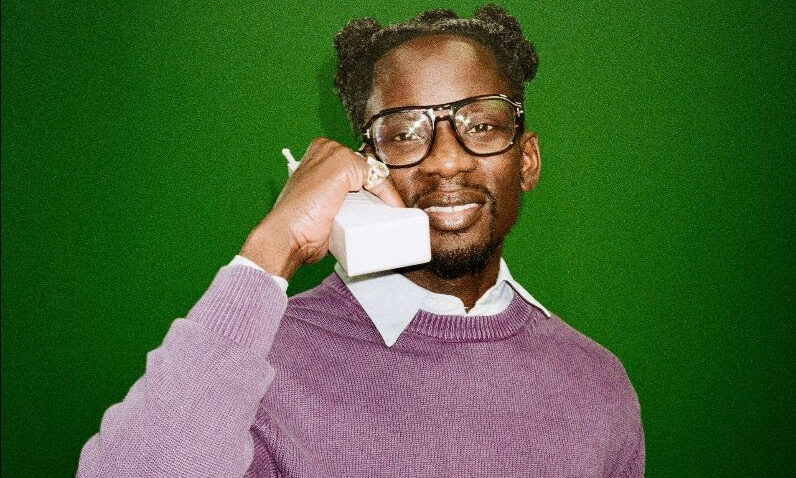













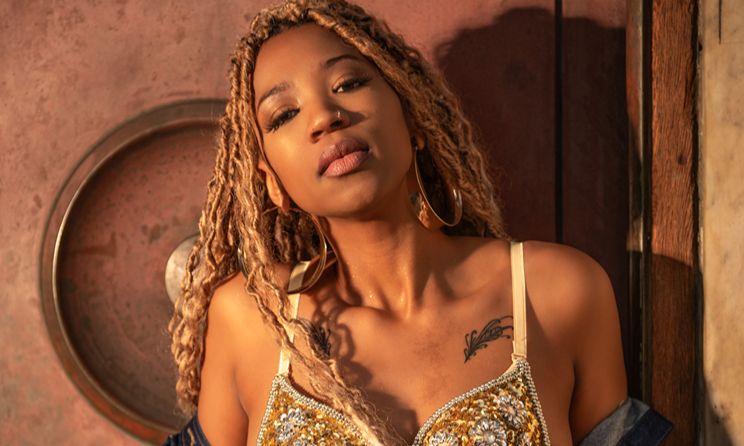


































It is difficult to accurately situate the sound of Canadian-Nigerian singer and songwriter Falana, whom Vogue magazine has named “Nigeria’s coolest front row star”. Perhaps this is deliberate: the musician chafes against tags. This much is true, though – it sits anywhere between soul, pop, R&B and Afrobeat(s).
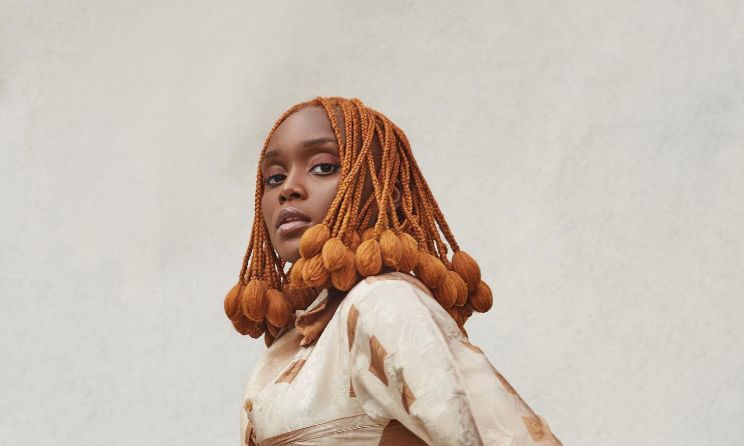
From grappling with the feeling of being an outsider to finally finding her voice, the artist, who first came into bloom in 2019 with the self-produced Chapter One EP, says she has discovered the foundation needed to dig deeper and give more of herself to listeners.
“It’s funny how things fall together slowly and then all at once,” she says. “I feel like I’ve found my voice. And I think once artists find their voice, they become unstoppable. I am excited about the artist I am becoming and I never want to stop evolving.”
Music In Africa spoke to Falana ahead of the release of her seven-track sophomore EP Rising in October. The interview is part of our ongoing Emerging series, which highlights exciting new talent from the continent.
MUSIC IN AFRICA: Your music sits at the intersection between Fela and Sia. Considering the eclectic fusions in your music, would it be accurate to refer to you as an alté artist? And if not, what label best encapsulates your craft?
FALANA: I’ll be honest, I don’t get too caught up in labels. When I’m in the studio and just vibing, I’m not thinking about being eclectic or different, I’m just having fun and being myself and what comes out is a reflection of that.
How would you describe your experiences as a diaspora artist?
Well, I’ve been living, recording and performing in Lagos but I grew up in Toronto, so Lagos is home and I've been exposed to a lot of different kinds of music. I think it changes the way I approach songwriting and melodies for sure, and gives me an interesting creative perspective that can reach and connect with many people around the world.
In what way has the current global wave of African sounds affected your approach to music?
My approach to music evolves as I grow as an artist, collaborate with producers locally and internationally, and just push myself to constantly be improving as a musician, songwriter and performer. I think the African pop music tempo has slowed down significantly over the past few years and has made more room for artists like myself who expand the narrative of African music, which is a great thing.
There is added pressure on Nigerian artists to shine, considering the recent success of its artists in global pop. Do you agree with this notion and do you feel this pressure?
It is definitely an exciting time to be a Nigerian artist. But the truth is that no matter what industry you are in there is always pressure to succeed and compare yourself to others. I just try to focus on being the best artist I can be. Period. Everyone’s path and gifts are different and the sooner you accept that the sooner you start living and enjoying your blessings and wins.
Some say isolation is important for the artistic process. How has COVID-19 influenced your work?
Isolation is just as important as collaboration. So COVID-19 has its highs and lows. I enjoyed being able to sit down and just practise my instruments and write songs, and even reflect on my life and purpose. We got creative and did virtual production sessions with my producer friends around the world and locally.
What was the inspiration and creative process behind your new single 'Joy'?
I remember sitting at GeeJam studios in Jamaica reflecting on my journey and just feeling so grateful for life. I was sitting eating porridge before a recording session, and I just remember listening to this Jamaican playlist thinking, ‘Life is too short to not be grateful for every single damn day.’ I just felt like I needed to channel that energy into a song. I want listeners to listen to ‘Joy’ and be uplifted and reminded that the best way to live life is one day at a time.
Courage is primary to greatness, especially in music. But for today's artist, it could be a very rare attribute. When did you discover your courage and how has it led to a shift in your voice?
Courage is something you build gradually – little by little with every decision. Small, brave decisions ginger you to make bigger, bolder ones down the line – particularly if they prove to be right. So I wouldn’t say I discovered my courage, I’ve just been daring to be true to my vision in small steps. But maybe over time it looks like one big, courageous thing.
As you are actively involved in various stages of the music-making process, starting with your expertise as a multi-instrumentalist and producer, one gets the impression that making music is largely an independent endeavour for you. Where do you stand on collaborations?
‘Joy’ was written with my good friend and amazing songwriter Omolara Ayodele and the beat was produced by KNGBNJM. My next EP and my album are an incredible collaboration with the most amazing producers and songwriters across Lagos, Ghana, Jamaica, London, Portugal, Toronto and New York. I think collaboration is one of the best ways to learn and grow. The more skills I can develop, the more I have to share and contribute and the more I can give. My last EP was self-produced and self-written because I was searching for something artistically at that moment.
How would you describe your experience as a female artist in the Afrobeats/Afropop terrain?
I think it’s a good time to be a female in the industry. There are still not enough of us but collectively we are starting to represent a shift. It can be frustrating though – that it is a male-dominated industry and that deals are done late at night in studios or in environments where being the only female may not always be the most comfortable situation. I’ve had men make sexual passes at me, or people don’t take you seriously when you ask for certain things. Unfortunately, this is nothing new in the entertainment industry. Sexism in the industry is a real thing. I don’t even think it’s limited to the Afrobeats genre alone. But the Me Too Movement and artists like Lady Gaga speaking out about her experiences have put a massive spotlight on the problem of sexism in the industry and life. But I am so happy to be in a time when female artists, producers, managers, lawyers are pushing, winning, taking up space and speaking out against this.


Most popular

Top Naija songs of 2026
31 Mar 2026

Top Afrobeats songs of 2026
19 Mar 2026
Ghana: Mr Eazi and MOLIY’s ‘Comfort’ earns Urban Music Awards nomination
21 Oct 2026

Top amapiano songs of 2026
16 Feb 2026
Open call: CANEX Music Business Lab and Songwriting Camp
15 Oct 2026
Nigeria: CANEX WKND unveils 2026 programme
21 Oct 2026
Disclaimer: Music In Africa provides a platform for musicians and contributors to embed music and videos solely for promotional purposes. If any track or video embedded on this platform violates any copyrights please inform us immediately and we will take it down. Please read our Terms of Use for more.

Subscribe to our monthly Newsletter
Follow us on social media


Please log in to post a comment.