
























































eSwatini: Luju Festival sees 34.6% rise in international reach as SME sales grow
18 Aug 2026 - 09:20


The Standard Bank Luju Food & Lifestyle Festival recorded a 34.6% increase in international country representation at its 2026 edition, as the eSwatini festival expanded to a two-day format and reported higher sales for participating small businesses.
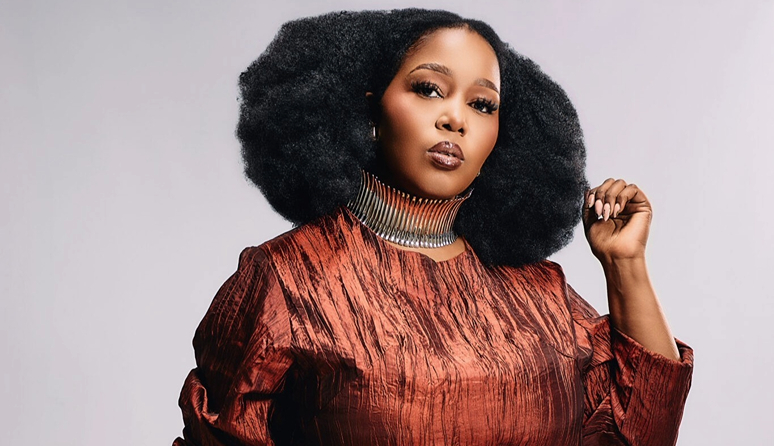
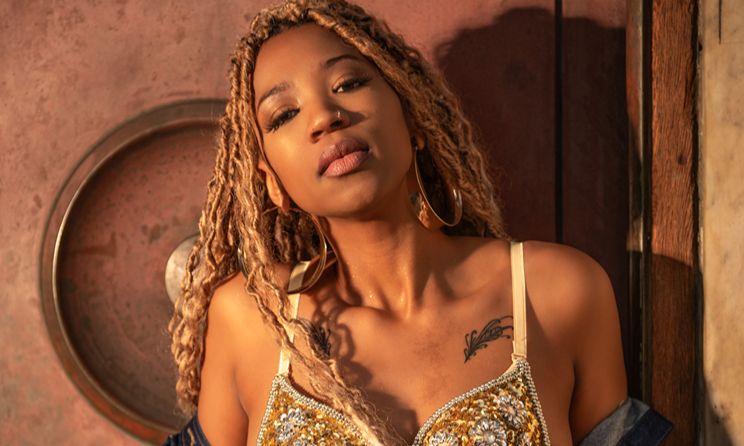
Maleh is among the artists who performed at the Standard Bank Luju Food & Lifestyle Festival.
Held from 1 to 2 August at House on Fire in eSwatini, the eighth edition attracted more than 10,000 people from 35 countries. Organisers said the expanded format contributed to a 17% increase in sales among the festival's 113 SME traders compared with 2025, while more than 620 employment opportunities were created across production, hospitality, trading and services.
The festival brought together music, food and fashion under the theme ‘A Return to the African Future’, with 49 musical acts, 15 designer collections and five culinary demonstrations presented across four stages.
The culinary programme centred on ‘Nguni Foodways’, bringing together practitioners from eSwatini, South Africa and Zimbabwe to explore Swati, Zulu, Ndebele and Xhosa food traditions. The programme included live cooking demonstrations, dining experiences and Culinary Indaba discussions focused on food sovereignty and indigenous food systems.
Chef Sive Bhembe said the festival had helped encourage greater engagement with African culinary heritage.
“Luju has played an instrumental role in reconnecting people with forgotten foodways and indigenous ingredients, creating a platform where African cuisine can be celebrated, reimagined and shared.”
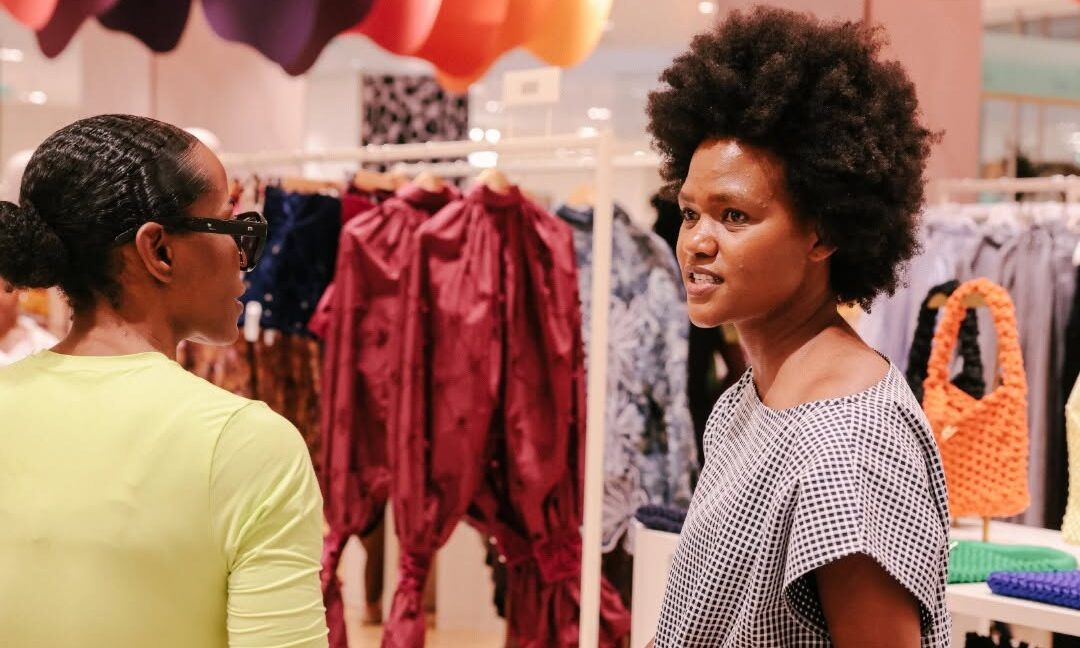
Fashion formed another major component of the programme, with 15 designers from five countries participating in the Fashion Café Pop-Up Runway, Luju Fashion Runway and Fashion Indaba. South African designer Mzukisi Mbane of Imprint South Africa headlined the programme, which included 11 Swati designers.
Regional collaboration was also reflected in the participation of Lesotho-based designer Chere Mongangane of Bonono Merchants, who traded at the festival's fashion café with support from Standard Bank Lesotho. Mozambican designer King Levi, founder of XIGUBO and Fancy Africa Fashion Week, also returned to the festival.
“Luju offers a space where African designers can share not only their collections, but also the stories, traditions, and identities that inspire them,” Levi said. “It is through platforms like this that we continue to strengthen the creative economy and showcase the depth and diversity of African fashion to the world.”
Music remained central to the festival, with 62% of the 49 performers coming from eSwatini. Artists from South Africa, Mozambique and Lesotho also featured, including Mozambique's Neyma, Lesotho's Maleh and South African acts such as Zakes Bantwini, Zola 7, The Masekela Band, Nasty C, Liquideep and Shwi Mantombazane. Eswatini performers included Bholoja, Cece & Rina, Judah Soul, Oriiginelle, Emagagu and Sancheziey.
The festival’s regional ambitions were further demonstrated through launch events in Johannesburg and Maputo, while a delegation of more than 10 representatives from Mozambique's National Institute of Cultural and Creative Industries (INIC), led by National Director Ivan Bonde, attended to examine Luju's festival model. The delegation looked at areas including public-private partnerships and digital marketing, with the intention of applying some of the approaches to festivals in Mozambique.
Cross-border expertise was also used in the festival’s production, with Mozambican company Marrabenta Special Events & Technologies involved in sound and technical services.
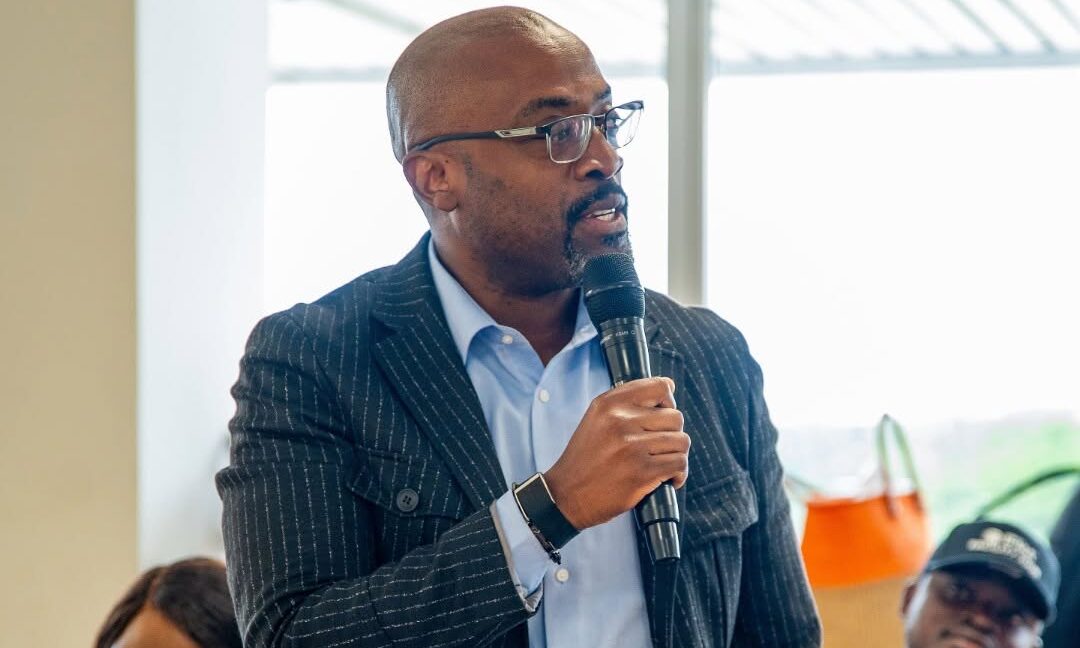
Luju Festival Director Jiggs Thorne said expanding the festival’s regional connections remained a priority.
“Luju was always designed to grow beyond eSwatini’s borders. Our launches in Johannesburg and Maputo, and the collaboration we’re building with partners across the region, are the first steps toward a festival platform that connects African creative economies, not just to us.”
Thorne added that the festival would focus on strengthening partnerships in trade, talent and tourism, with the aim of creating opportunities for SMEs, artists and designers across Southern Africa.
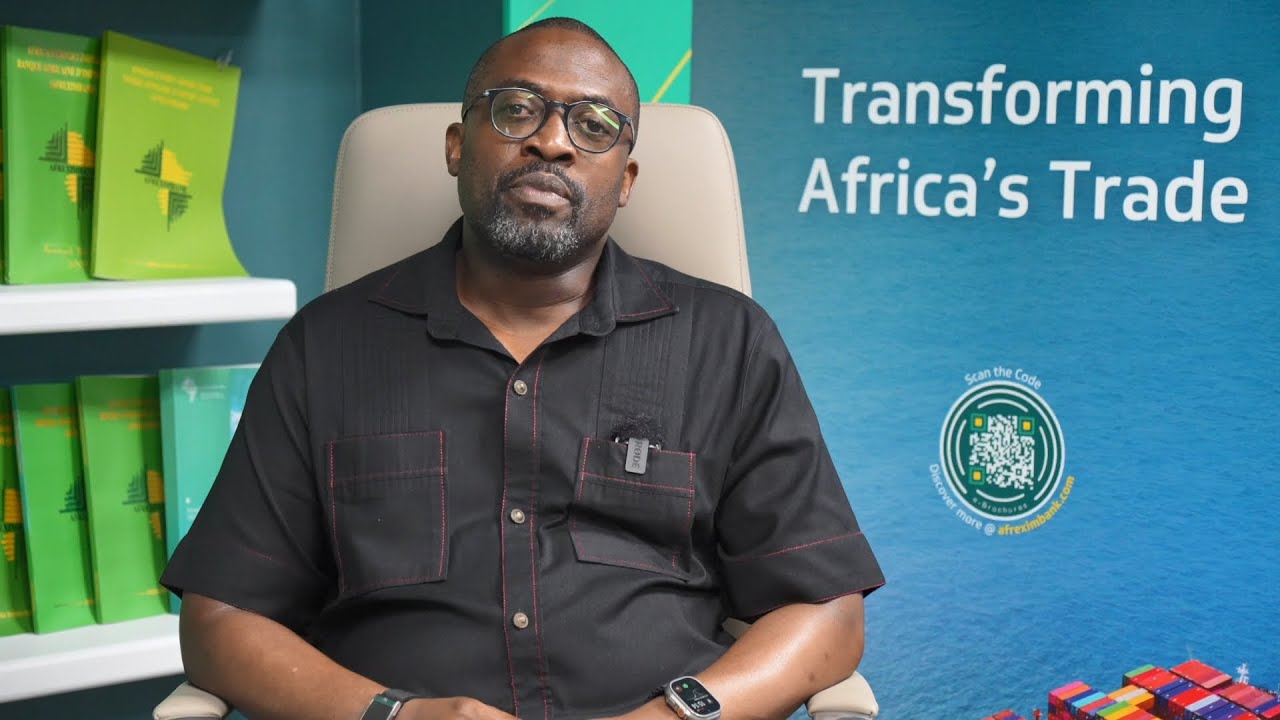
Standard Bank eSwatini chief executive Mvuselelo Fakudze said the bank’s involvement reflected its view of culture and creativity as contributors to economic growth.
“Our partnership with House On Fire to bring to life the Standard Bank Luju Food & Lifestyle Festival reflects our shared belief that culture, creativity and commerce are powerful drivers of inclusive economic growth.”
Fakudze also pointed to the involvement of Standard Bank's operations in Mozambique and Lesotho in supporting regional collaboration, including the participation of Bonono Merchants.
The 2026 edition marked a further step in Luju’s development from an eSwatini-based festival into a platform connecting creative industries, tourism and small businesses across the region.
Contributors: Lebogang Masilela and Nomfundo Radebe


Most popular

Top Naija songs of 2026
31 Mar 2026

Top Afrobeats songs of 2026
19 Mar 2026

Ghana: Mr Eazi and MOLIY’s ‘Comfort’ earns Urban Music Awards nomination
21 Oct 2026

Top amapiano songs of 2026
16 Feb 2026
Open call: CANEX Music Business Lab and Songwriting Camp
15 Oct 2026
Nigeria: CANEX WKND unveils 2026 programme
21 Oct 2026
Disclaimer: Music In Africa provides a platform for musicians and contributors to embed music and videos solely for promotional purposes. If any track or video embedded on this platform violates any copyrights please inform us immediately and we will take it down. Please read our Terms of Use for more.

Subscribe to our monthly Newsletter
Follow us on social media


Please log in to post a comment.