




















































By Stephen Kalimba
Rwandan gospel music has had a chequered history. The genre has its origins and link with the missionaries who came in the country in the late 1880s and taught music to their subjects. This overview explores how the genre has grown over the years in Rwanda.
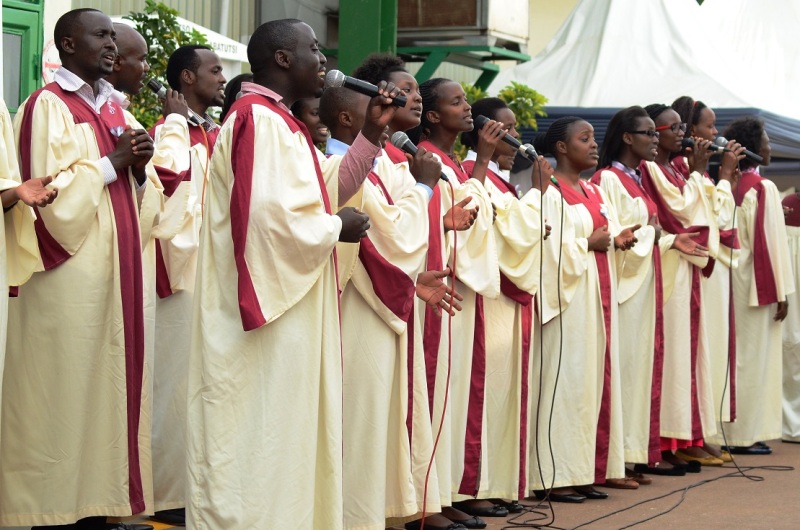
Gospel music as we know it today was an unknown entity until the mid-1990s. It should be noted that the live and recorded music people enjoy today is a relatively recent development, and it has also had a positive influence on the progress of gospel music since many people now have access to many varieties of the genre. Prior to the insidious 1994 genocide against the Tutsi, gospel music was mostly heard in popular churches and was performed mainly by church choirs during Mass. There were limited gospel shows or media coverage.
Media influence
Back in the 1990s, Radio Rwanda and TV Rwanda, the country's only two electronic media outlets at the time, preferred the more popular traditional Rwandan music by artists like Cecile Kayirebwa[i], Jean-Paul Samputu and Abdul Makanyaga. It was not until after 2004, when private radio stations such as Contact FM[ii], Flash FM[iii], City Radio, Radio 10[iv] and Radio Maria hit the airwaves, that gospel music began to get airplay. Flash FM gave gospel music an even bigger boost when in 2004 it pioneered the first gospel radio programme, called Kunda Igihugu Kandi Ugisenjere (Love Your Country and Pray For It). Even though it was a talk show featuring pastors, it paved the way for Rwandan gospel music to prosper.
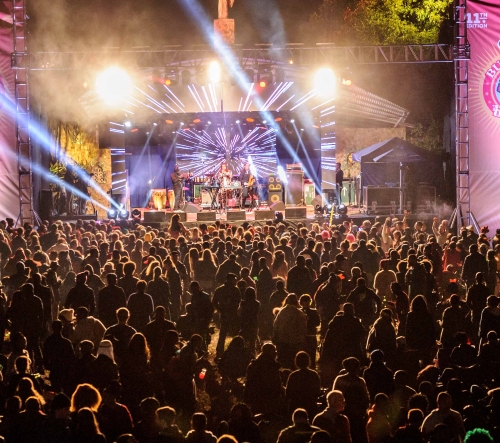
The popularity of gospel radio shows has now given rise to a number of regular gospel concerts, which have given gospel artists a platform to sing live for fans, and also earn some money. “Things have changed, people are coming up with popular gospel music shows that appeal to a large section of fans,” says gospel artist Eddie Mico.
In present-day Rwanda, a ride in one of the taxis that traverse Kigali will expose you to music by church-affiliated choirs. Several taxi drivers carry Rwandan gospel music on their flash disks, which the play as they ferry passengers from place to place.
Gospel music of the past
Eddie Mico is a 29-year-old Rwandan RnB and gospel musician who has been in the industry for a decade, the product of a church choir. He explains that Rwandan gospel music of the 1990s borrowed heavily from traditional church hymns and was of a relatively low quality. When it came to live musical instruments, the piano dominated. "The culture of live music came later. When a choir had one keyboard, they would feel that they had 'made it'. The piano would set the pace for the singers,” Mico says of the industry a few years ago.
Mico reasons that Rwanda's gospel music of the past was of poor quality because back then artists would enter a studio, record the music in a single session and walk out with the album. But now, Mico says, gospel music fans have come to appreciate good quality and can recognize it when they hear it. “In the past, people would like an artist because he or she would be the only one they knew. But nowadays it doesn't matter whether you are an established act or a budding artist; people just expect an artist to put forth quality music," says Mico.
Mico gives an example of Precious Mugwiza, the young songstress whose performances have captivated audiences because she "gives quality". According to Mico, good gospel music – just like any other form of art – is a result of one's talent, passion and character.
It's worth mentioning that with the progress of the other genres, choir music could only get better and more diverse. A number of choirs have earned recognition, like the Maranatha Family Choir[v], which celebrated its 30th anniversary in 2014 with a remarkable concert.
Contemporary gospel music
Aimé Uwimana is credited for pioneering the modern form of Rwandan gospel. Aimé is a protégé of Apollinaire Habonimana, a legendary Burundian gospel singer. With seven albums (of mostly RnB sounds) under his belt with hits like ‘Cyuzuzo' and 'Kumisozi’ (Thank you), Uwimana has had a hand in training many of Rwanda's contemporary gospel music artists. For this the organisers of the Groove Awards - an annual awards scheme that recognizes the best in the local gospel industry since 2013 - recognised him with its 2014 Outstanding Contributions Award.
Affiliated to Eglise Vivante church in Burundi, Uwimana joined Rwanda's Association des Eglises de Pentecote Rwandaise (ADEPR) church in the 1990s and has since worked with various church choirs. In his career that spans about two decades, Uwimana has mentored some of Rwanda's best gospel musicians, such as Gaby Kamanzi. Uwimana says that when he first arrived in Kigali in 1995, he realized that there were a couple of talented gospel musicians in Rwanda but they didn't know how to utilise their talents. "They lacked somebody to teach them maybe, they needed a trigger,” he says.
Back in the 1990s, much of the local gospel music came from ADEPR, but soon many other churches followed suit, most notably Restoration Church and Zion Temple, which were headed by a new breed of pastors. “These pastors were more liberal, especially considering that they came to Rwanda after the genocide, with influences from different countries such as DRC, Uganda and Kenya,” says Mico.
This new breed of musicians also borrowed ideas from international bands such as Hillsong, the world-famous Australian band, which greatly influenced the sound of Rwandan gospel music. Uwimana thinks such bands have had an impact of Rwanda's gospel music. “That has made our artists imitate those bands... Some Rwandan gospel singers now do rock music, yet they are not good at it,” he says. Uwimana also cites Joyous Celebration, a South African gospel group, as one of the international acts that have had an influence on the Rwandan gospel sound. “They are good, Rwandans are now influenced by the group to sing in Zulu. Sometimes others go as far as even translating the group’s songs - you can find subtitles of Joyous Celebration in Kinyarwanda.”
Uwimana says adopting genres is not bad. “It’s good if everyone knows what they are good at, if you can do reggae, do it. There are different artists with different styles.”
Columbus Uwayo is another popular gospel artist and a regular at local gospel events. Inspired by reggae, he notes that his combination of these two genres may seem odd but has earned him many fans who like his sound.
Beauty for Ashes is a gospel rock band known for songs like ‘Turashima’ have toured the East African region and Canada. In November 2015 the group staged successful performances in Kenya’s capital Nairobi.
Mass and electronic media has of late impacted heavily on Rwanda's gospel music landscape, with more and more gospel artists incorporating contemporary music genres such as hip-hop. Church leaders themselves now recognize the need to tap into the younger crowd that is attracted to such genres. "A pastor will call you and ask for a hip-hop singer, to come and minister here,” says Mico, who is involved in youth outreach program.
Bright Patrick Mugabe is one of the gospel artists who have adopted hip-hop music for gospel music. His 2014 collabo with Gabby Kamanzi, ’I.D’, is an amazing song that appeals to young, hip churchgoers. It's now common to see the youth playing gospel music in a variety of styles – unlike in the past.
Making a living as a gospel musician
Even though the Rwandan gospel industry has achieved remarkable strides (such as award initiatives like the Groove Awards[vi]), those who are into gospel music still find it challenging to earn a decent living and are therefore often forced into other income generating businesses. Only a few - such as Gabby Kamanzi, Patient Habimana and Serge Iyamuremye - have been able to make singing a full-time occupation.
“At the end of the day, we have to come to terms with the fact that we have to live," says Gisele Phanny Wibabara, a gospel artist who has a day job and also has to find time for music.
Diane Nkusi is another gospel musician who has gone beyond just being an artist - she organizes conferences and also writes books.
However, unlike in the past, when it was unthinkable for a gospel artist to charge entrance fees to his or her concert, nowadays it's common for a gospel artist to organize a concert that fills venues and charge entrance fee of an upwards of Rwf5000 (about US$7). This is due in part to emerging gospel music promoters such as Moriah Entertainment Group[vii].
Compared to other parts of the continent, Rwanda still lags behind as far as its gospel music industry is concerned, but hopefully events like the Groove Awards will help ensure its continued growth. According to Uwimana, such platforms can and should be used to uplift the next generation of upcoming Rwandan gospel musicians.


Most popular

Top Naija songs of 2026
31 Mar 2026

Top Afrobeats songs of 2026
19 Mar 2026

Top amapiano songs of 2026
16 Feb 2026
Ghana: Mr Eazi and MOLIY’s ‘Comfort’ earns Urban Music Awards nomination
21 Oct 2026
Open call: CANEX Music Business Lab and Songwriting Camp
15 Oct 2026
Nigeria: CANEX WKND unveils 2026 programme
21 Oct 2026
Disclaimer: Music In Africa provides a platform for musicians and contributors to embed music and videos solely for promotional purposes. If any track or video embedded on this platform violates any copyrights please inform us immediately and we will take it down. Please read our Terms of Use for more.

Subscribe to our monthly Newsletter
Follow us on social media


Please log in to post a comment.