

























































Grace Grandi: The young visionary building frameworks for Africa’s music future
08 Oct 2025 - 15:57


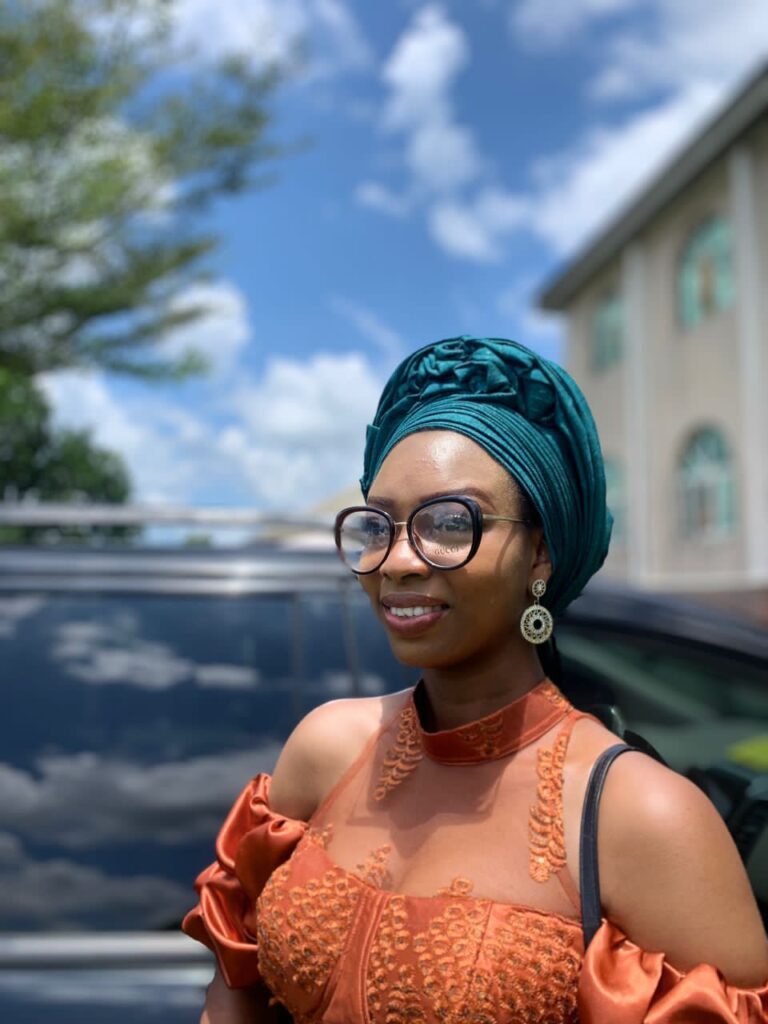
At just 24, Nnamani Grace Odi is helping reshape the foundations of Africa’s creative industries, from publishing and management to storytelling and digital access.

When the Recording Academy published its September 2025 feature, 13 Women Shaping African Music at the Recording Academy & Beyond, the spotlight naturally fell on familiar names. The list included Afropop star Niniola, veteran manager Osagie Osarenkhoe, gospel singer Nikki Laoye, journalist Camille Storm, and content executive Melissa Kariuki.
Alongside them appeared a quieter figure: Nnamani Grace Odi, known professionally as Grace Grandi.
Championing structure behind the sound
At just 24, Odi represents a different kind of influence. She is not an artist commanding the stage, but a builder of frameworks that enable others to thrive.
In 2023, she co-founded Nnamani Music Group (NMG) with her brother, Johnel, positioning the company around distribution, publishing, and management for independent African musicians. Central to its mission are rights protection and contract transparency, issues that remain critical as the African music market continues to expand.
The recognition arrives at a pivotal moment. Sub-Saharan Africa’s recorded music revenues rose by 22.6% in 2024, surpassing $100 million for the first time, according to the IFPI. Nigeria, the region’s largest market, is projected to grow by nearly 8% annually through 2031.
While streaming platforms are driving much of this growth, Spotify alone paid out $59 million to Nigerian and South African artists in 2024, ownership and fair remuneration remain key concerns. Many independent musicians still sign opaque deals that restrict their control over masters and publishing rights.
By highlighting Odi, the Recording Academy emphasised that Africa’s global music rise depends not only on performers but also on those developing sustainable systems behind the scenes.
An unconventional path to influence
Odi’s journey into music has been anything but traditional. Publishing under the name Grace Grandi, she has built a loyal readership through serialised novels such as The Beast of Green Manor, a family drama blending romance and social commentary.
Before entering music, she worked in Nollywood as a scriptwriter, collaborating with directors including Shan George and Kingsley Ogoro. In 2020, she founded GrandiHub, a multimedia platform that supports short films and digital content.
Across literature, film, and now music, her work has consistently focused on addressing infrastructure gaps, from distribution to mentorship, that prevent creative projects from reaching audiences.
That same perspective informs her current approach. “Recognition is nice, but it’s never been the point,” she has said. “The work is about creating spaces where other voices can be heard.”
Shifting the industry conversation
The Recording Academy’s 2024 expansion into Africa and the Middle East, through agreements with Nigeria, Ghana, Kenya, and South Africa, makes Odi’s inclusion especially timely. It signals a growing awareness of the need to support not only creative talent but also the structures that sustain it.
As international labels strengthen their presence on the continent, debates around ownership and autonomy are intensifying. The question is no longer only which artists will achieve global success, but under what conditions.
Odi’s presence on the Academy’s list, alongside performers and executives, reflects this shift in perspective. Her recognition does not resolve the structural challenges ahead, but it signals a broader understanding of the forces shaping Africa’s creative economy.
Building for the long term
For Odi, the mission remains consistent across all her endeavours: building frameworks strong enough to carry creative voices further. The Recording Academy’s partnerships in key African markets point to a new phase, one in which the continent’s music story is not only about breakout stars, but also about the architecture being built around them.
Africa’s music revenues are growing rapidly, but the future of that boom will depend on how rights are managed, how contracts are written, and who controls the mechanisms behind the stage.
The next chapter of African music will not be defined solely by who tops the charts, but by the quieter figures engineering systems that allow creativity to endure. Ignore them, and the boom may prove fleeting. Pay attention, and it becomes clear where the future is truly being written.
Esther Oluoma is an experienced writer from Nigeria. The views expressed in this article are hers and do not necessarily reflect the views of the publication.
Editing by Ano Shumba.


Most popular

Top Naija songs of 2026
31 Mar 2026

Top Afrobeats songs of 2026
19 Mar 2026

Top amapiano songs of 2026
16 Feb 2026
Open call: CANEX Music Business Lab and Songwriting Camp
15 Oct 2026

Ghana: Mr Eazi and MOLIY’s ‘Comfort’ earns Urban Music Awards nomination
21 Oct 2026
Nigeria: CANEX WKND unveils 2026 programme
21 Oct 2026
Disclaimer: Music In Africa provides a platform for musicians and contributors to embed music and videos solely for promotional purposes. If any track or video embedded on this platform violates any copyrights please inform us immediately and we will take it down. Please read our Terms of Use for more.

Subscribe to our monthly Newsletter
Follow us on social media


Please log in to post a comment.