



























































How to be an effective artist manager
19 Oct 2017 - 16:48


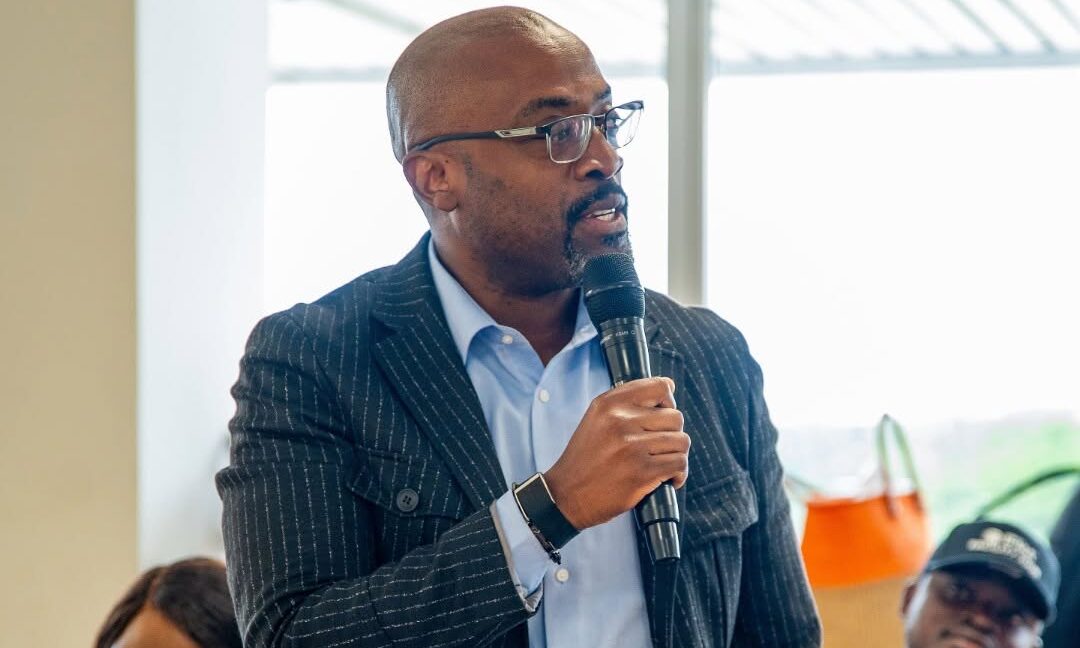
By Blick Bassy
Just like musicians, managers must be driven by passion. Managers play a vital role in the development of an artist’s career. They are the link between the talent and key industry players such as label executives, concert promoters, producers and the media.
In this article, we outline the qualities and skills required to become a successful manager and how the manager’s tasks have evolved over the time, especially with the central role that the Internet has claimed.

The manager’s role in the pre-Internet era
Many years ago, before the advent of the Internet, the manager’s role was limited to managing and negotiating for the artist. The manager had to sign contracts, book gigs and oversee the artist’s schedule. But most importantly, the manager’s main role was to advise the artist on artistic vision for the short, medium and long term. Besides being advisors, managers had to be knowledgeable about every aspect relating to production, publishing, booking and stage management. A good manager also needed great communications skills to interact with the key players in the music industry to secure deals.
Managerial remuneration often consisted of a percentage of the artist’s revenue, which was usually based on album sales. That’s when physical albums were still selling. The manager of an established artist could earn pretty decent money while taking care of the daily admin and needs related to the development of the artist. This, however, is no longer the case because of the dematerialisation of a large portion of the music industry as a business.
The manager’s role was also to protect and defend the artist's rights and financial interests. Negotiation skills were therefore a must, even if it meant consulting and employing external services regarding legal issues or any matter that a manager was not well-versed in.
The manager’s role was important in the creation of an artist’s branding, but also in putting in place a strategy that was harmonious with the artist’s vision.
The manager’s role today
In general, managers’ tasks have become easier to execute thanks to the development of the Internet as well as various other new technologies. Like with many other professions, music managers can now execute their duties from home without having to visit other professionals in the music industry to negotiate deals. Similarly, they no longer have to send countless copies of albums and press kits to get their artists booked – all of this is now done electronically with the click of a button.
The Internet has also helped to solve many challenges that faced managers in the pre-Internet era, especially challenges that had to do with long distances. Managers can now develop their own media channels with the help of a number of social media platforms such as Facebook, Twitter and Instagram. These have facilitated the dissemination of content and the promotion of music.
Here are some aspects of the manager’s job that have been simplified by the Internet:
- Managers can now directly contact event organisers, venue owners, record labels and publishers, regardless of where they are located in the world. Furthermore, they have access to tools and platforms such as IRMA, a music resource centre in Paris, France. (www.irma.asso.fr)
- Managers can find a sound engineer, arranger or producer who best suits their artist by reviewing their work online.
- Managers have the opportunity to network and learn about how their colleagues go about doing work for artists. They can also join management associations such as the International Artist Managers’ Association (IAMA) ,the International Music Managers Forum (IMMF) and AMA. This gives them access to other musicians’ biographies and allows them to subscribe for free to Talkwalker, an online analytics tool that notifies the user every time a selected keyword, like the artist’s name, is mentioned on the Internet. Managers can also use Google Alerts to monitor the online media presence of their artists.
Best practices
Although managers have access to better working tools, they still need to be creative and determined to contribute effectively to the development of their artists. For example, mangers must attend immediately to a booking or a producer’s call and be responsive to emails. Managers cannot afford to miss opportunities – they actually have to create them.
Managers are required to be fast learners, proactive and incredibly flexible if they want to see their artists reach success amid the many challenges facing the music industry. Beyond managing artists on a daily basis, they must have excellent analytical skills so they can anticipate new business trends.
They need to have a deep understanding of the evolution of the music market in order to prepare their artist for the sector’s requirements. Their role is also to understand the various opportunities that artists often don’t understand for themselves, such as playing certain events for free to get exposure. In this instance, the manager must have a solid plan and long-term strategy that must be communicated to the artist.
A manager should know the music business
Today’s managers must fulfil the role of branding and endorsement prospectors as well as forge partnerships that make sense for the longevity of their artists. Some managers have now become publishers, participating in the utilisation of music catalogues to develop the careers of artists.
In today DIY’s era, managers must make themselves indispensable through high standards. Many artists have started to self-mange, making them artistic entrepreneurs, which allows them to gain an understanding of the music sector. Marketing agencies that cater for such artists are materialising all over the world, many of them working with musicians on a freelance basis to provide an extensive portfolio of services.
What can managers expect to be paid?
The remuneration of artist managers is generally about 20% of the musician’s or band’s revenue. But the music industry has undergone serious changes in terms of profits, especially with the arrival of online streaming and the decrease in physical sales. A manger’s remuneration depends on the contract signed with the artist. Some artists offer co-publishing rights to their managers.
Managers are sometimes remunerated on a monthly basis, especially when they fulfil the role of a business adviser, and are compensated for the time they invest to promote an artist.
Managers are key actors in an artist’s career. From signing contracts and deals to booking artists for performances and events, these music professionals are often the driving forces behind the brands that the audience gets to experience as entertainment.
This article was published in partnership with the African Music Development Programme


Most popular

Top Naija songs of 2026
31 Mar 2026

Top Afrobeats songs of 2026
19 Mar 2026

Ghana: Mr Eazi and MOLIY’s ‘Comfort’ earns Urban Music Awards nomination
21 Oct 2026

Top amapiano songs of 2026
16 Feb 2026

Open call: CANEX Music Business Lab and Songwriting Camp
15 Oct 2026

Nigeria: CANEX WKND unveils 2026 programme
21 Oct 2026
Disclaimer: Music In Africa provides a platform for musicians and contributors to embed music and videos solely for promotional purposes. If any track or video embedded on this platform violates any copyrights please inform us immediately and we will take it down. Please read our Terms of Use for more.

Subscribe to our monthly Newsletter
Follow us on social media


Please log in to post a comment.