













































How the digital space is helping Nigeria’s music industry

05 Jul 2018 - 11:48


By Edward Israel-Ayide
"They wanted to laugh, they wanted to cry, they wanted to dance. I serviced them. I met the market." – Irving Berlin
Back in its early days, the contemporary Nigerian music industry's focus revenue-wise was limited to physical music sales, fees from appearances and shows and for the more popular artists, endorsement fees from brands and companies that felt they could transfer their brand meanings to products and services. Those days are long gone as increased penetration of the Internet has brought about new revenue models, thereby necessitating that artists look for more technological means to market their music and brands.
A systematic approach to music marketing is relatively new in these parts, and the norm has been that music creators employ the basic principles of retail marketing: introduce a product (song/album), advertise (promote) it until there is consistent need for the product, watch revenues shoot through the roof, rinse and repeat. Barely was there a scientific effort to gather data on consumer trends and create content and marketing campaigns based on this data. The market was a free for all, and the loudest brands thrived and excelled.
This haphazard manner of deriving value from music content in an unstructured market is perhaps the reason why the Nigerian music industry, though one of the most vibrant in terms of market size, continues to lag behind a country like South Africa in terms of investments in the music industry.
Much of this is changing now with the ubiquity of mobile devices, increased Internet penetration, lower data costs and the rise of social media platforms. Peer-to-peer sharing and word-of-mouth marketing that help to drive sales in the music industry is now aided by technology and given rise to a need for the music industry to embrace digital in taking the industry to the next level.
According to the website Internet World Stats, Nigeria's Internet penetration based on its population stands at 50.2% compared to 53.7% in South Africa and 85% in Kenya. Social media usage also points to the fact that a massive percentage of Nigeria's population is now using social media to interact with friends, find new content as well as discover and share music.
But question is, in what ways has digital disrupted and increased opportunities for the music industry against traditional means in a country like Nigeria where disposable income is still low? Three major areas stand out...
Creating and engaging with fans
With the rise and popularity of social media and the emergence of digital platforms, artists are now able to grow their fan base and by extension their markets with little effort. Unlike before, artists no longer need to expend most of their marketing budgets to create live events, set up media appearances and execute other experiential activities before they can interact with fans.
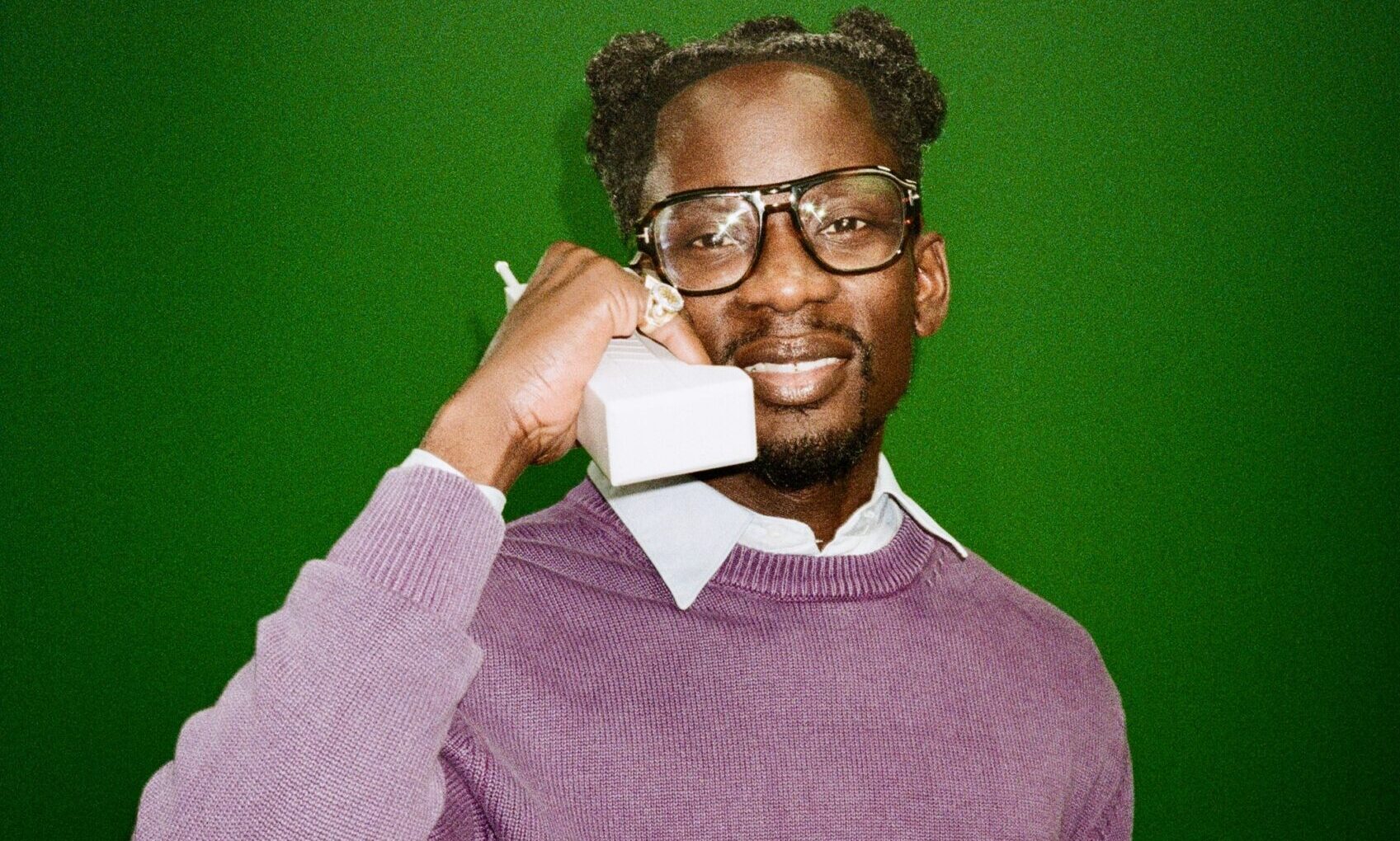
In this digital age, comments, likes, downloads and shares help artists feel the pulse of their online community and get the necessary feedback needed to develop their craft while creating a familial bond with them. Artists such as Mr Eazi have taken this a step further by using this insight to create and market content that sells.
Reaching new markets
The current digital space has also helped a great deal in increasing the reach of artists. As followers on social media and YouTube views increase, these artists are gaining new brand evangelists who take the music into their own online and offline tribes, which leads to more business opportunities and partnerships that increase the net worth of these acts.
A good example is the pop star Tekno, who without an album to his name is one of the most popular, downloaded and richest Nigerian artists. The quality of his music and the reach that digital has given him ensures that his music is now so well known and appreciated globally that he's been able to pen music deals with Universal Music Group and reportedly Drake’s OVO music label.
Other artists like Davido, Wizkid, and Tiwa Savage are also beneficiaries of the current digital expansion in the music industry, as their songs now reach bigger markets. Cases of Americans, Russians and Germans singing and dancing to Nigerian pop songs are now commonplace and recently, Davido sold out a 10 000-capacity concert in Suriname.
Increasing revenue for music works
A 2015 PricewaterhouseCoopers (PWC) report projects revenue from music sales in Nigeria to hit more than $88m by next year. These projections are to a large extent derived from the growth of music streaming services that showed total revenues of $17.3bn globally in 2017, according to the International Federation of the Phonographic Industry’s (IFPI) Global Music Report 2018.
Digital music sales and streaming platforms like MTN+, Spotify, Apple Music, Cloud9, Boomplay, Google Play Music and Deezer are giving Gen Y and Z consumers a new way to access music without having to pay the high cost that comes with outright ownership.
With a fraction of the cost of what one would have had to pay for a CD, consumers can now “rent” (stream) a song or album and even share it with their followers on social media platforms.
The monetisation channels for music are now expanded and multi-platform, meaning revenue is no longer limited to CD sales, shows and endorsements alone, but can also be derived from hundreds of local and international digital music sales platforms.
What these opportunities point to is how much the marketing of music has evolved with the introduction of technology and digital platforms. Smart Nigerian music companies have long gotten on the wings of digital to drive up their market share and music sales by remodeling traditional marketing structures and putting digital at the center of their marketing efforts – just like the Big 3: Universal, Sony and Warner. Results have shown that it is cheap, can be driven organically and is most importantly measurable.
Case in point: with a dedicated digital marketing strategy, rapper Reminisce’s album Baba Hafusa became Africa’s first rap album to debut on the Billboard World Album Chart in 2014. Total digital marketing budget? Less than $10 000.
Israel-Ayide is a marketing and public relations expert operating in the Nigerian music industry


Most popular

Top Naija songs of 2026
31 Mar 2026

Top amapiano songs of 2026
16 Feb 2026

Top Afrobeats songs of 2026
19 Mar 2026
AFRIMA 2026: All the winners
12 Jan 2026
Open call: CANEX Creative Pitch for African creative enterprises
29 Sep 2026

Goethe-Institut Kenya brings Ghanaian and Kenyan artists together for MobiArts concert
05 Oct 2026
Disclaimer: Music In Africa provides a platform for musicians and contributors to embed music and videos solely for promotional purposes. If any track or video embedded on this platform violates any copyrights please inform us immediately and we will take it down. Please read our Terms of Use for more.

Subscribe to our monthly Newsletter
Follow us on social media


Please log in to post a comment.