




































NEFCISA
NEFCISA

The Music In Africa Foundation (MIAF) is proud of its partnership with the Industrial Development Corporation (IDC) as a Strategic Implementing Partner (SIP) for its Social Employment Fund (SEF). Through this collaboration, MIAF is running a national programme that is creating jobs, addressing skills gaps, and strengthening South Africa's creative industries — in line with the SEF's overarching goal to generate work for the common good and build community value through employment, social contribution, and inclusive economic participation. Operating under the banner NEFCISA (National Employment Facility for Creative Industries in South Africa), the initiative is recruiting and training participants, matching them with host organisations, and has already placed 1 500 workers across the country — surpassing its original target of 1 000. NEFCISA is delivered through a network of 20 host organisations spanning five provinces, who are actively hosting participants and contributing to work for the common good across South Africa's creative and cultural industries. Key Objectives: Support employment and entrepreneurship in the creative industries. Offer skills development and training programmes. Foster partnerships between public and private creative sectors. Promote South African creativity at both provincial and national levels Foster community development through social contribution.

ACCES
ACCES

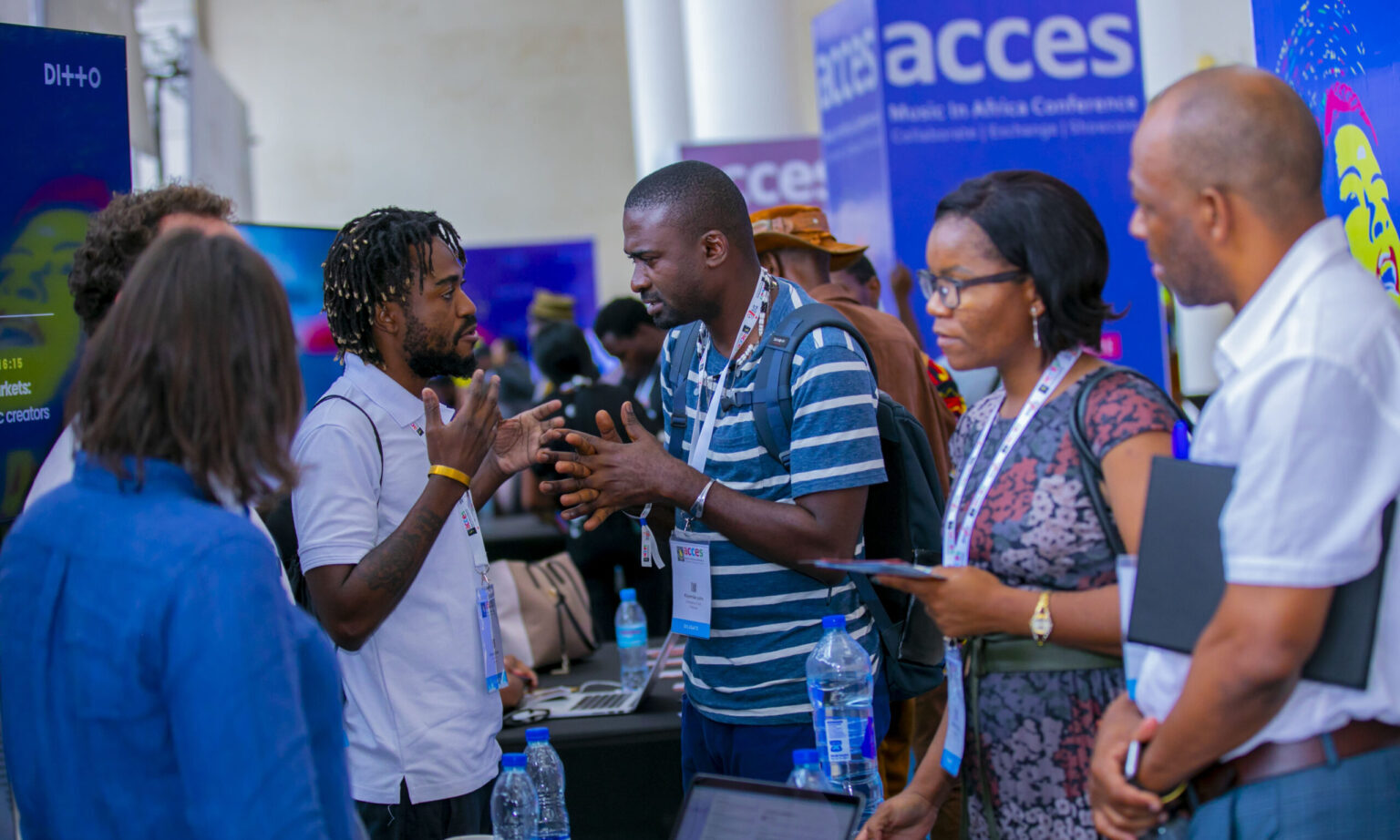
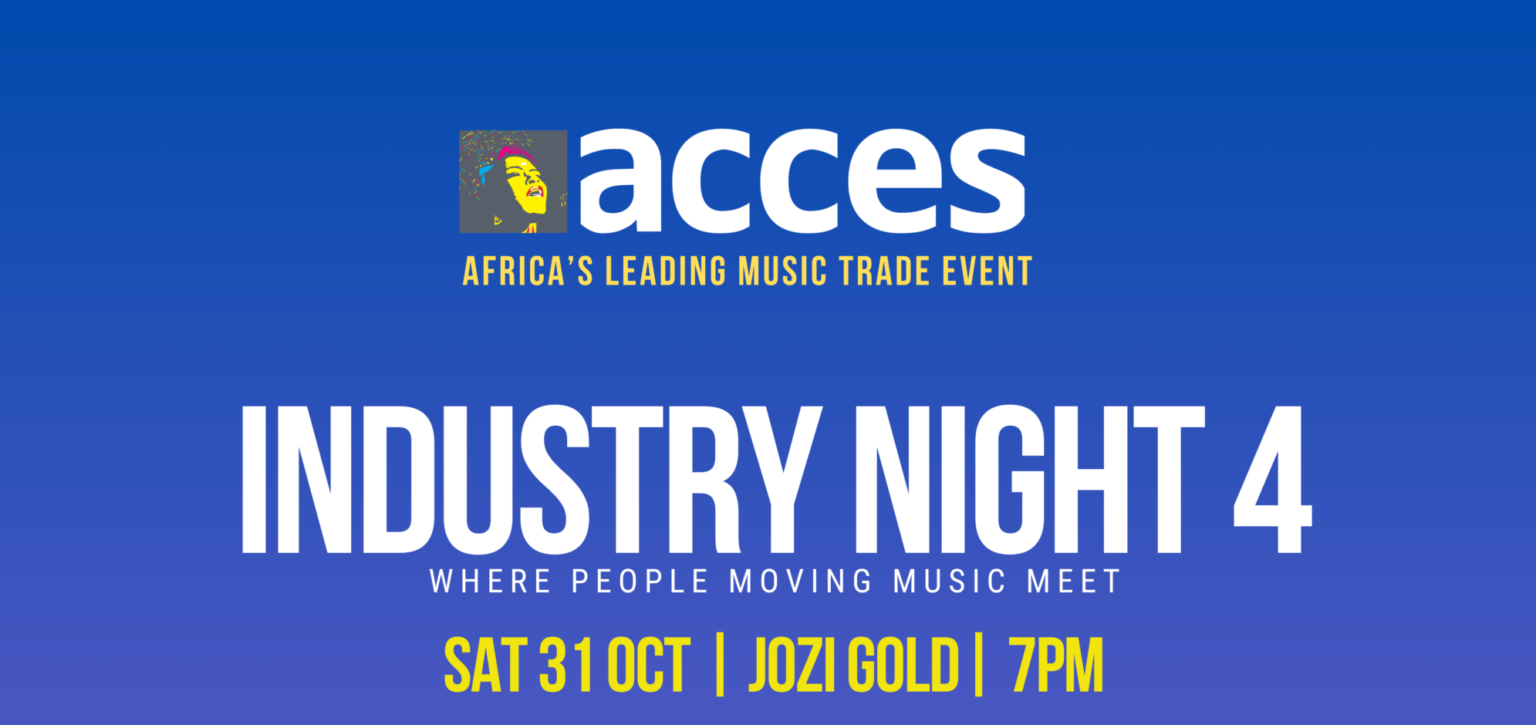
ACCES Conference and Showcase Festival is Africa's leading music industry gathering, bringing together the people shaping the future of the continent's music business. Artists, entrepreneurs, executives, investors, policymakers and cultural leaders from across Africa and around the world come to ACCES to build partnerships, exchange ideas, discover talent and create new business opportunities. Since its launch in 2017, ACCES has become the continent's premier platform for professional exchange and music market development. Combining a high-level conference with a curated showcase festival, networking, exhibitions and industry programmes, ACCES offers a unique space where creativity meets business and where African music connects with the global industry.

Gender@Work
Gender@Work

Music In Africa Gender @ Work is a three-year training programme aimed at upskilling and increasing the participation of female professionals in the African music sector. Launched by the Music In Africa Foundation (MIAF) in April 2019, the programme is connected to the MIAF’s ACCES music conference – a pan-African event held in a different African country every year. This connection enables the programme to reach new participants in a different African country every year. The programme marks the beginning of a more concerted effort by the Foundation to support the participation and inclusion of women in all facets of its programmes and the music sector in Africa as a whole. Over the three years, the programme will aim to address gender imbalances in the sector through training, lobbying, facilitating knowledge exchange and dialogues that foster the interest of women. The broader objectives of the programme are to: Provide industry training for women on critical music industry skills, focusing on: Stage management Electronic music production and recording Music business management Technical knowledge Provide an opportunity for both professional and aspiring women to benefit from the Music In Africa network and its broad range of activities in 2019, 2020 and 2021. Provide a solution-based platform in the form of a round table at ACCES with a view to identify challenges, discuss opportunities and lobby for the interests of female practitioners. Offer participants the opportunity to benefit from programmes offered by MIAF’s partners. Increase access to educational materials. Integrate participants in the broader ACCES programme to maximise experience and exposure to the industry. Record and present training materials on the www.musicinafrica.net, including but not limited to tutorials, templates and other best-practice materials. Communicate women-based themes that support the initiatives and messages of the programme. MAIN TRAINING ACTIVITIES Training in first country (Ghana): In the first year, participants will be trained on all aspects of stage management by a team of experienced stage managers from 10 to 17 November 2019. The programme will offer robust classroom training as well as practical, hands-on training in which participants will also be given the opportunity to manage various aspects of the ACCES performance programme. Training in second country: The second training iteration will take place at ACCES 2020 when the programme will diversify its course to include music production lessons and training on other music business topics. A round-table platform will also be introduced to coincide with the ACCES programme. Training in third country: The third training iteration will take place at ACCES 2021 in a different country, offering an advanced course. HOW DO YOU GET INVOLVED?  As a participant, facilitator or trainer: The programme enrolls up to 12 trainees every year. All opportunities are advertised publicly on this website, and will be added to this page. Please keep checking this page for new calls (below under UPDATES & CURRENT OPPORTUNITIES). As a partner Please contact Claire Metais at [email protected]. APPLY The call for applications for 2020 will be announced soon. The Music In Africa Gender @ Work programme is made possible with the support of the Prince Claus Fund, Siemens Stiftung and Goethe-Institut.

Sound Connects Fund
Sound Connects Fund

For cultural and creative practitioners and organisations operating in southern Africa, access to funding remains a major challenge. The COVID-19 pandemic has also had a massive impact on government policy, spending and the economy in general, and has seen spending on culture being moved further down the list of priorities. Further, the cultural and creative industries repeatedly cite four main areas where investment is needed for growth, which are increased visibility, mobility including access to new markets, finance and support structures.

Instrument Building And Repair Project

Experience the Vibrations African Instruments Exhibition online in 3D

Features

How The New Yorker magazine failed Nigerian pop music
27 Sep 2018 - 09:40

cc-img flag-img

When the novelist Chimamanda Adichie addressed the danger of a single story, speaking about the limiting effects stereotypes could carry, she may not have realised just how many contexts her talk could be applied to.
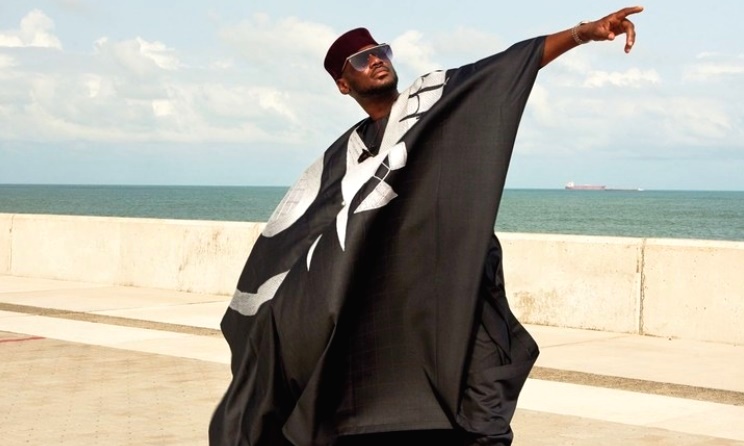
2Baba poses for The New Yorker magazine. Photo: Namsa Leub

Till date, despite an increase in the visibility of marginalised identities, creative types still find themselves having to shape themselves into digestible moulds.
Not that this is always a bad thing. But it seems that with Nigeria’s rise to global visibility in the culture space, Nigerian productions have to contend not only with issues of the Western gaze but also with Western laziness.

This is not a new occurrence. The critic Oris Aigbokhaevbolo once described this phenomenon as patronising: some Western individuals and organisations come with intentions so high-minded and well-meaning they are matched only by their ignorance of context.

The result is a series of well-documented enthusiasm hefted towards the novelty of Africa and its culture (Africa is the last great frontier, a curator once said to me) and some politically correct declarations about how overdue this sort of representation is. Yet for all the enthusiasm and promotion, Western interest in Africa still lags behind, hiding behind the aforementioned digestible moulds. For reference, see Binyavanga Wainanaina’s How to Write About Africa. That essay still rings true.

I was reminded of this laziness when reading through The New Yorker’s recent piece covering Nigerian music. The New Yorker, that Holy Grail of writerly ambitions, like most Western establishments with good intentions towards Africa, falls short again into the trap of patronising without research or understanding.

The article Beats Generation, Nigerian Musicians Changing the Sound of Global Pop reads like a #sponsoredad piece. A staff writer thousands of miles away pens an article whose depth of understanding is equal to one conversation with 2Baba and the first page of a Google search about Nigerian pop.
The piece starts out seeming like a profile of the Nigerian music legend. It traces us back to the founding days of the maestro’s music as a member of the Plantashun Boiz before ricocheting into today. And just when we think it might be pivoting into something nuanced or topical, it drops dead.

Granted, it is not a piece with a text-heavy format. There is music and there are photos. Yet, the images are almost cringe-worthy in their eagerness to seem Afropolitan. They lack the excitement of Namsa Leuba’s previous shots for Nike’s Nigeria Jersey. Somehow the pictures don’t inspire any frenzy about music or Nigeria.

It is amazing that a world-class magazine assembled and photographed these many artists without printing their takes on music, on 'Afrobeats', or even quoting any of them directly to give the text more variance. The article attempts to trace the rise of Afro-pop, yet it excludes two Nigerian artists who have been at the forefront of this rise.

While it mentions the Billboard hit 'One Dance', it somehow excludes Wizkid, the track’s featured Nigerian artist, from the list of musicians profiled. (Davido who was photographed was not asked any questions about his relationship with Sony which he outlines on The Breakfast Club as an experience where the label tried to mould him into a marketable form because the music company just did not get him.)

The article also neglects to mention D’Banj, who seemed to be headed towards a fruitful friendship with Kanye West and G.O.O.D Music but ended up tossed aside after his viral 15 minutes ended.

The article is not The New Yorker’s first misstep. Last year, its piece on Maki Oh ('West Africa’s Most Daring Designer') managed to secure the collective disproval of the city it profiled. To quote art curator Bisi Silva, “This text is a disservice to the designer and a country that has so much, much more to offer”. These sort of missteps might be forgiven in the hands of a lesser publication but it's intolerable for The New Yorker, given its standards.

It is simply no longer enough to expose Africa for exposure’s sake or to fill a global diversity quota for 'cool'. It is not unreasonable to expect better quality of work, especially when provided with the privilege and access a publication like The New Yorker pulls. It should, at the very least, utilise the talent at hand and use Nigerian writers to write about Nigeria.

It is said that there is no such thing as bad publicity, but in the case of this article, we might make an adjustment and call it 'lazy publicity'. The New Yorker has to do better next time.

Disclaimer: The views voiced by columnists published on Music In Africa do not necessarily represent the views of the publication.

Please log in to post a comment.

Most popular

Disclaimer: Music In Africa provides a platform for musicians and contributors to embed music and videos solely for promotional purposes. If any track or video embedded on this platform violates any copyrights please inform us immediately and we will take it down. Please read our Terms of Use for more.

newsletter banner

Subscribe to our monthly Newsletter

Follow us on social media