




























































Human Rights Day: 10 post-democracy songs holding SA accountable
 By Collins Matsepe
20 Mar 2026 - 10:09


On 21 March 1960, apartheid police opened fire on peaceful protesters in Sharpeville, killing 69 people and wounding more than 180. The demonstrators had gathered against the pass laws that restricted the movement of Black South Africans. The massacre exposed the violence at the heart of apartheid and drew international condemnation, later prompting the United Nations to mark 21 March as the International Day for the Elimination of Racial Discrimination.
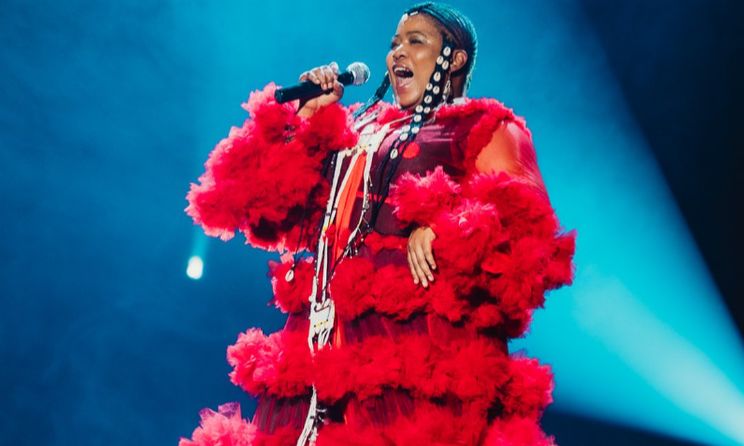
After 1994, South Africa adopted the date as Human Rights Day. It is both a commemoration of those who died in the struggle for freedom and a reminder that rights on paper mean little without justice in everyday life.
Music has long been one of the country’s sharpest tools of resistance. During apartheid, protest songs gave language to anger, grief and hope. In democratic South Africa, that role has not disappeared. If anything, it has evolved. Many artists have continued to use music to confront the failures of the present: gender-based violence, corruption, poverty, racism, child abuse, HIV/AIDS and economic exclusion.
This playlist brings together 10 songs from the democratic era that do more than entertain. They question power, expose social wounds and insist that freedom must be measured by how people actually live.
‘What You Like’ by Nomsa Mazwai (Nomisupasta)
Released on 5 February 2026, ‘What You Like’ is a sharp, satirical look at the performance of politics in contemporary South Africa. Nomsa Mazwai turns her attention to corruption, hollow rhetoric and the growing sense that democracy has, for many, become spectacle rather than substance. The song asks an unsettling question: is this really what people imagined freedom would look like?
‘Respect’ by Lucky Dube
Lucky Dube’s ‘Respect’ is built on a simple but urgent message: dignity should not depend on race, class or social standing. The song rejects prejudice and calls for a society rooted in mutual recognition. In a country still shaped by inequality and division, its message remains painfully relevant.
‘Hottentot Hop (Bantu 1, 2)’ by Cashless Society
Cashless Society’s ‘Hottentot Hop (Bantu 1, 2)’ revisits the story of Sarah Baartman, the Khoikhoi woman displayed in 19th-century Europe under the dehumanising label of the “Hottentot Venus”. The track explores how colonial violence continues to shape the present, particularly in the side-lining of Khoisan identity and the lack of full recognition for indigenous languages and histories. It remains a striking meditation on memory, dignity and belonging.
‘Zabalaza’ by Thandiswa Mazwai
Thandiswa Mazwai’s ‘Zabalaza’ captures the mood of a country confronting the limits of political liberation. The title means rebellion or protest, and the song reflects that spirit. It speaks to poverty, the HIV/AIDS crisis and the gap between the promises of democracy and the realities many South Africans continued to face. ‘Zabalaza’ insists that resistance did not end in 1994.
‘Social Ills’ by Godessa
In ‘Social Ills’, Godessa critique a culture increasingly shaped by image, conformity and consumerism. The song takes aim at media-driven beauty standards and the pressure to imitate rather than think independently. Its most enduring argument is that self-knowledge is a form of wealth, especially in a society where identity is so often packaged and sold back to people.
‘Asinamali’ by Tumi and the Volume
‘Asinamali’, meaning “we have no money”, echoes the slogan of anti-apartheid rent boycotts while shifting the focus to democratic South Africa’s economic realities. Tumi and the Volume use the song to question corruption, entrenched inequality and the persistence of exclusion in a supposedly free society. The track asks whether political freedom has translated into material change for the majority, or whether old systems of power have simply been repackaged.
‘They Don’t’ by Nasty C featuring T.I.
Released during the global Black Lives Matter protests after the murder of George Floyd, They Don’t confronts anti-Black violence and systemic injustice. Although rooted in an international moment, the song also resonates in South Africa, where police brutality and state violence remain live issues. Its anger is direct, but so is its sense of solidarity.
‘Kings & Kweens’ by Skwatta Kamp
With ‘Kings & Kweens’, Skwatta Kamp turn their attention to one of the country’s most painful social realities: the abuse of children. The track calls for the protection of children’s dignity, safety and rights, and challenges listeners to consider whether freedom can mean anything if the youngest and most vulnerable remain unsafe.
‘Harambe’ by HHP (Hip Hop Pantsula)
Derived from the Swahili phrase for “pulling together”, ‘Harambe’ speaks to solidarity and collective responsibility. HHP places the focus on ordinary young people and the work of social change, while also engaging the devastating effect of HIV/AIDS on a generation. The song stands as a reminder that nation-building is not only the work of politicians, but of communities.
‘Chokeslem’ by Kharishma
Kharishma’s ‘Chokeslem’ addresses domestic abuse through the story of a woman who hides the truth in order to protect her abuser. The song reflects the silence that often surrounds gender-based violence and the fear that keeps many victims from seeking help. In doing so, it becomes both a narrative and an intervention, urging survivors to speak out and seek support.
Contributors: Muvhango Ndou and Sipho Ndlovu


Most popular

Top Naija songs of 2026
31 Mar 2026

Top Afrobeats songs of 2026
19 Mar 2026

Ghana: Mr Eazi and MOLIY’s ‘Comfort’ earns Urban Music Awards nomination
21 Oct 2026

Top amapiano songs of 2026
16 Feb 2026

Open call: CANEX Music Business Lab and Songwriting Camp
15 Oct 2026

Nigeria: CANEX WKND unveils 2026 programme
21 Oct 2026
Disclaimer: Music In Africa provides a platform for musicians and contributors to embed music and videos solely for promotional purposes. If any track or video embedded on this platform violates any copyrights please inform us immediately and we will take it down. Please read our Terms of Use for more.

Subscribe to our monthly Newsletter
Follow us on social media


Please log in to post a comment.