



















































Among the many challenges in the African music industry, artist mobility is perhaps one of the biggest. The subject is broached at almost every music conference that happens on the continent, with industry players constantly trying to find new ways to make it easier for artists to tour outside their cities or regions.
Mobility faces myriad stumbling blocks. Financing is at the core, while structural issues like conflict, travel and transport infrastructure, and dysfunctional diplomatic relations between nations in terms of visa requirements, among others, sometimes make it impossible for artists to showcase their music to new audiences. On an international level, many artists have to fly to Europe to get to another African country; a tour that would otherwise take a few days if held in the US or Europe can take weeks with artists spending most of their time at airports and bus stops. Suffice to say, many travel-fatigued musicians miss their performance slots and lose out on being paid.
In southern Africa, one organisation is doing critically important work to lessen the challenges associated with touring. Concerts SA, a joint South African-Norwegian initiative, was started in 2013 by the SAMRO Foundation and the British Council’s Connect ZA project. It functions as a collaborator, financial partner, technical advisor and media advocate for professional musicians who intend to tour within the Southern African Development Community (SADC) region. By 2018 more than 700 musicians had successfully toured across South Africa's nine provinces as well as in Botswana, Malawi, Zimbabwe, Lesotho, Swaziland, Mozambique, Tanzania, Zambia, Namibia and Madagascar, playing more than 800 shows to over 50 000 people, and spanning such genres as folk, hip hop, gqom, punk rock, jazz and indigenous music, at formal and informal music venues and spaces.
Concerts SA provides financial support that covers up to 80% of costs such as travel, visas, transport, accommodation, per diem, technical, artwork design and printing.
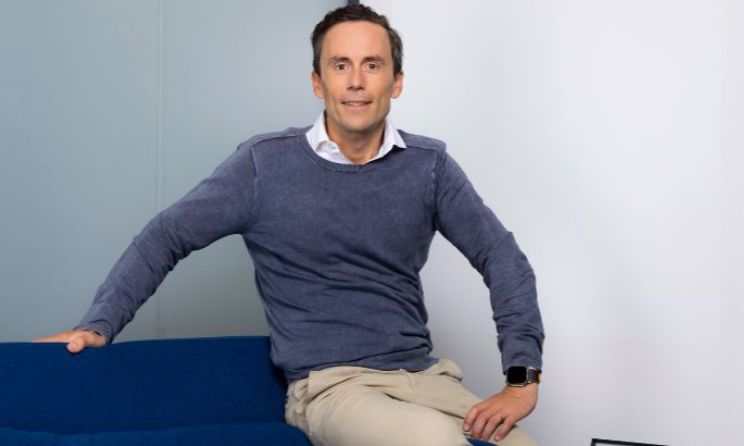
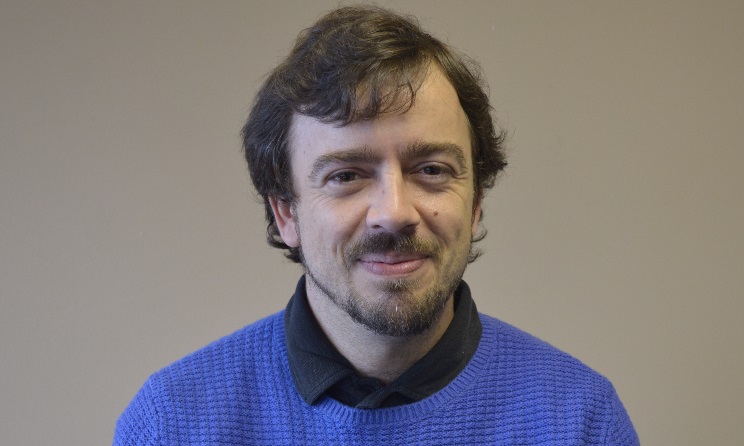
Music In Africa spoke with Concerts SA project coordinator Ignacio Priego about the organisation’s work.
MUSIC IN AFRICA: How is Concerts SA different compared to other organisations that provide mobility funding?
IGNACIO PRIEGO: When we started the mobility fund we saw that there were other organisations that were already doing cultural mobility support on the continent such as Africa Art Lines and Pro Helvetia. But we realised that there was a specific need here in South Africa, and generally in southern Africa, to support live music – not only with transnational mobility but also within the same country. South Africa is quite big, so it makes sense to be doing this. For example, Johannesburg where we are based, it's much closer to go to the capitals of eSwatini, Lesotho and Mozambique rather than going to Cape Town. In that sense, the first idea was to provide funding because that’s what many projects really need.
Apart from funding we have developed broader support systems. There are two other aspects that we found ourselves including on these touring projects. The first is marketing, which is meant to increase communication with artists. We engaged publicists in our work and increased the communication skills of musicians. Most musicians are not very good at writing a biography, they don’t know what a press release needs to include, and they haven’t done artwork before, so we assist with those aspects.
Another area that we find ourselves contributing increasingly is technical advice and support so that we can continue raising the bar. For example, how do we contribute in the application process so that musicians can brainstorm more significant tools that are better tailored for their needs? Well, what we have developed is an online map that we put together with all the information of the tours we have supported during this period. That map is used for stats and by artists as a tool to find where they can perform. It can be accessed by everyone.
How can artists improve the quality of their applications when applying for mobility funding with Concerts SA?
They should read the rules. When artists see these opportunities, they should not get excited and start writing the first thing that comes to mind. They should click on the link, check the documents, read them and make sure they understand everything. There might be things that are not clear and correctly worded, so it's good to ask one of their team members or call or email us and we will be happy to address the query.
What criteria do you employ when allocating funds to artists?
The criteria is not on the artists, it's on the projects. So if it’s a very commercial project from a little-known artist, we are not going to support it because of the commercial budget of that project; it means that the artist already has another sponsor. So it's not a matter of the artist or of the genre. For example, we may say we don’t do hip hop because hip hop is a big seller in South Africa. But there are many independent hip hop artists in the country who we have supported. You could also say classical music or Western art musicians don’t need support because they already have support, but we have supported such musicians. The artistic quality is just one among more or less 20 to 50 qualities we look out for.
What has changed since you started the mobility fund?
We are rolling the mobility fund in a much more efficient way. What has changed is that we have a much better sense of clarity on all the steps of the process in terms of how we conduct our internal process and the necessary steps that should be taken to keep the mobility fund project running. I think we are also quite aware of the time frames that we need to allow everything to happen without delay. We are trying to instil in our grantees a sense of preparing everything in advance, especially with public activities. When people go to shows, we try to make them aware of the time needed for the media, readers, listeners and viewers to spread the word.
Something that unfortunately has not changed is that there are certain countries in southern Africa that we do not reach for one reason or another, and these are the Seychelles, Mauritius, DRC and Angola. Congo is a conflict country and we also know about the high prices in Angola and the Seychelles. So due to limited resources, we have not been able to reach these countries. Something that has changed is the financial allocation, which we have managed to increase somewhat, but not as much as we would like and as much as that artists are asking for.
What are some of your other challenges?
I would say that we have external and internal challenges. In terms of external, we have a challenge on how we can broaden the scope of the mobility fund, continue growing, reaching more people and growing the resources. The internal challenge we have is funding for our programme. Here I would like to take the opportunity to thank our funders, first and foremost the Norwegian Ministry of Foreign Affairs and the British Council, which kick-started this, as well as SAMRO. All of these organisations have provided funding and they continue to do so.
On the external side, partnerships are a challenge and that hasn’t been easy, but at least we have channels of communications with the Music In Africa Foundation. That started really well and we are very happy to be working in the same environment, and we wish to continue growing this community together with the Music In Africa Foundation.
For more information, visit the Concerts SA official website.


Most popular

Top Naija songs of 2026
31 Mar 2026

Top Afrobeats songs of 2026
19 Mar 2026

Ghana: Mr Eazi and MOLIY’s ‘Comfort’ earns Urban Music Awards nomination
21 Oct 2026

Top amapiano songs of 2026
16 Feb 2026
Open call: CANEX Music Business Lab and Songwriting Camp
15 Oct 2026
Nigeria: CANEX WKND unveils 2026 programme
21 Oct 2026
Disclaimer: Music In Africa provides a platform for musicians and contributors to embed music and videos solely for promotional purposes. If any track or video embedded on this platform violates any copyrights please inform us immediately and we will take it down. Please read our Terms of Use for more.

Subscribe to our monthly Newsletter
Follow us on social media


Please log in to post a comment.