



























































This interview is part of an article on sound engineering in partnership with the African Music Development Programme.
Introduction
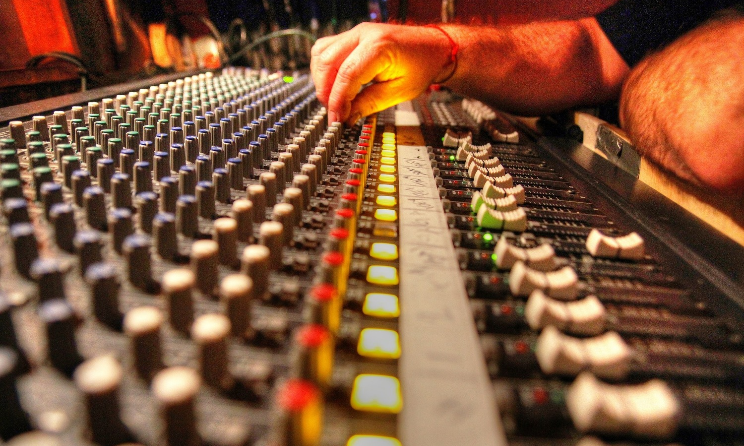
Gavan Eckhart is a sound engineer, producer and owner at Soul Fire Studios in Johannesburg, South Africa. He has been working with Philip Miller and William Kentridge for more than 10 years and has recorded and mixed the sound for most of their collaborative works, as well as Miller’s extensive film score repertoire.
His vast experience in theatre, TV, film and music culminates in the creative utilisation of sound technology for visual arts and music production. He also tours with top South African and international bands, including Freshlyground, Bombshelter Beast and Thandiswa Mazwai. He installs sound systems for museums and venues, and produces and mixes a variety of musical and visual artists, both in studio and on the road.
Live engineering
MUSIC IN AFRICA: What is the general standard of live sound engineering you’re confronted with outside South Africa?
GAVAN ECKHART: Generally the level of shows I’m involved with have a fairly high level of technical provision but often the integration of equipment and artists’ needs are lacking, especially in African countries. This often stems from technical providers being overcommitted and financially constrained by the promoters or time due to last-minute changes. European standards are generally higher due to suppliers having more experience and/or standards regarding clear briefs and timelines.
Where and how can organisers improve, and do you think many skimp on sound?
Organisers are often focused on other areas and tend to leave technical to the last minute, which causes tech providers to scramble for suitable solutions. Occasionally under-specced equipment is provided but this is often a budgetary issue and generally happens at corporate gigs. Engineers are also often overstretches and required to work 22-hour days without adequate compensation or manageable shifts.
Some bad experiences around Africa in terms of sound engineering jobs?
Thandiswa Mazwai in Dakar was difficult because the gear was faulty and setup happened late. The tech crew was speaking French and not necessarily experienced enough to troubleshoot basic issues like faulty guitar jacks and monitor feedback.
Who are the most difficult and easiest artists to work?
For me the biggest challenge is combining electronic and acoustic performers, as they are often at odds with each other’s sound. Technically, a backtrack gig is easy (two playback lines and a mic) but can be emotionally unrewarding. A tight band on a large, well-teched PA is definitely what I most enjoy mixing. Generally, experienced, well-prepared and humble musicians make for an easy gig.
How important is soundcheck?
Soundchecks have their value when the tech or crew is not up to scratch or when the venue is challenging acoustically. A good band can plug and play if the monitor engineer is capable.
If you had to recite a 30-second sound engineering lecture to a beginner, what would it sound like?
Be on time, be friendly, be courteous and always remember that the music is the reason you are there. I often think that the engineer is the window between the artists and the audience, hence he/she needs to remain transparent.
How would you go about recording an artist live and what’s the secret in capturing the ‘live sound’?
I would employ a suitable mixer/recording device, use well-placed ambient mics, try not to clip the preamps and carefully manage feedback.
Studio engineering
How do you prepare for a big studio project?
A preproduction meeting is vital.
What is the difference between engineering and producing?
The lines are blurred. Producers do less and say more. It all depends on the project or genre.
What would it cost to start a studio that can record live bands and what is the essential equipment needed to pull off a decent recording?
Nowadays a lot can be achieved with very little. An eight-channel interface and some cheap mics can bring amazing results. A good song and performance is the most valuable asset.
Education and job opportunities
What’s the best route to take to get formal education in sound engineering?
Interning at a studio, venue or company and learning from the Internet and colleges. There are many good online resources such as DPA Microphone University and Neumann Academy. I follow Dave Pensado and the Slate forum on Facebook. Mixerman is also interesting. Gearslutz has some good and some bad information. I look for specific information depending on what I want to learn but invariably there is an informative YouTube video that will walk you through whatever it is you are trying to achieve.
Should one be open to all modes of sound engineering?
I specialise in live mixing, studio mixing, mastering, location recording, location mixing, live recording, installation, integration and production. This allows me to stay independent in South Africa
Which is most lucrative sphere of sound engineering?
There aren’t many regular jobs available in the sound engineering field. If one can get into broadcast it’s a good way to earn a regular income but can often take the passion out of a youngster.
You’ve worked on films. How is that different from other sound engineering work?
Films have a deadline, albums don’t. Film mixing is challenging due to the file management and time-code alignments being as important as the actual mix. I generally mix the music for films and not the final sound mix.
What are the best practices of sound engineering? What is most important for you?
Ear training is important. Go to as many seminars, training courses and industry gatherings as possible.


Most popular

Top Naija songs of 2026
31 Mar 2026

Top Afrobeats songs of 2026
19 Mar 2026

Top amapiano songs of 2026
16 Feb 2026

Ghana: Mr Eazi and MOLIY’s ‘Comfort’ earns Urban Music Awards nomination
21 Oct 2026

Open call: CANEX Music Business Lab and Songwriting Camp
15 Oct 2026
Nigeria: CANEX WKND unveils 2026 programme
21 Oct 2026
Disclaimer: Music In Africa provides a platform for musicians and contributors to embed music and videos solely for promotional purposes. If any track or video embedded on this platform violates any copyrights please inform us immediately and we will take it down. Please read our Terms of Use for more.

Subscribe to our monthly Newsletter
Follow us on social media


Please log in to post a comment.