





















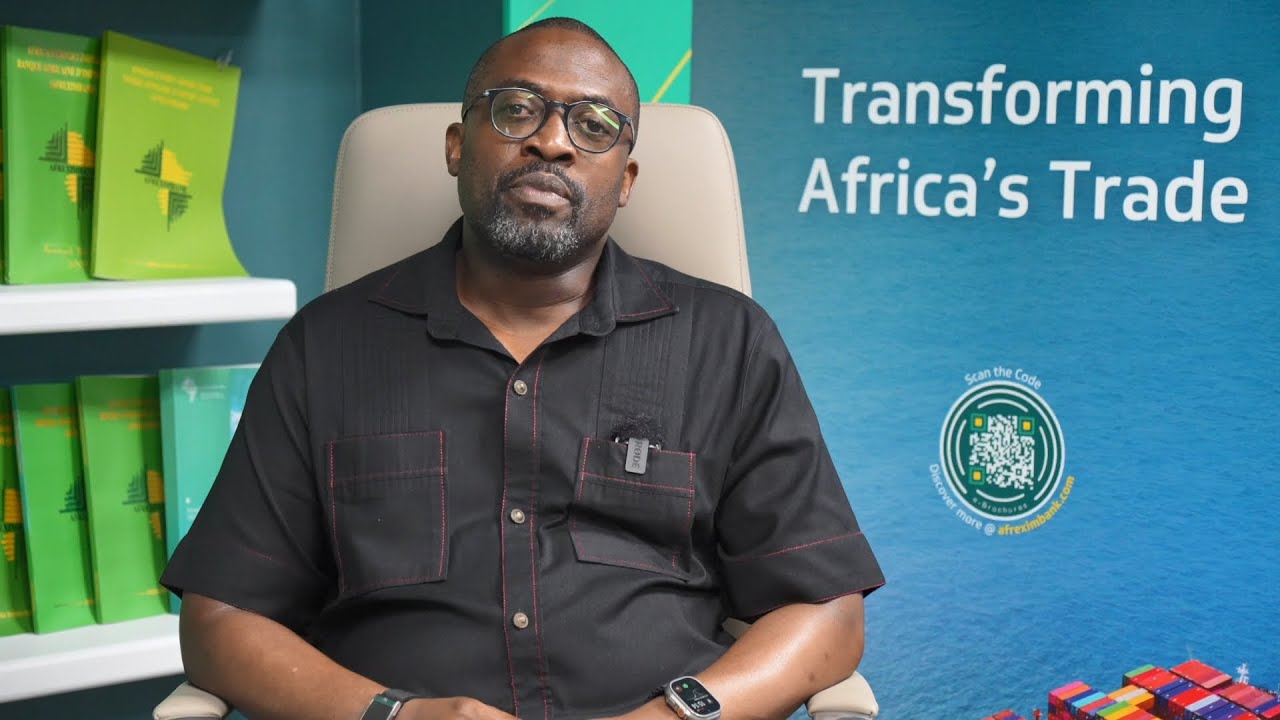
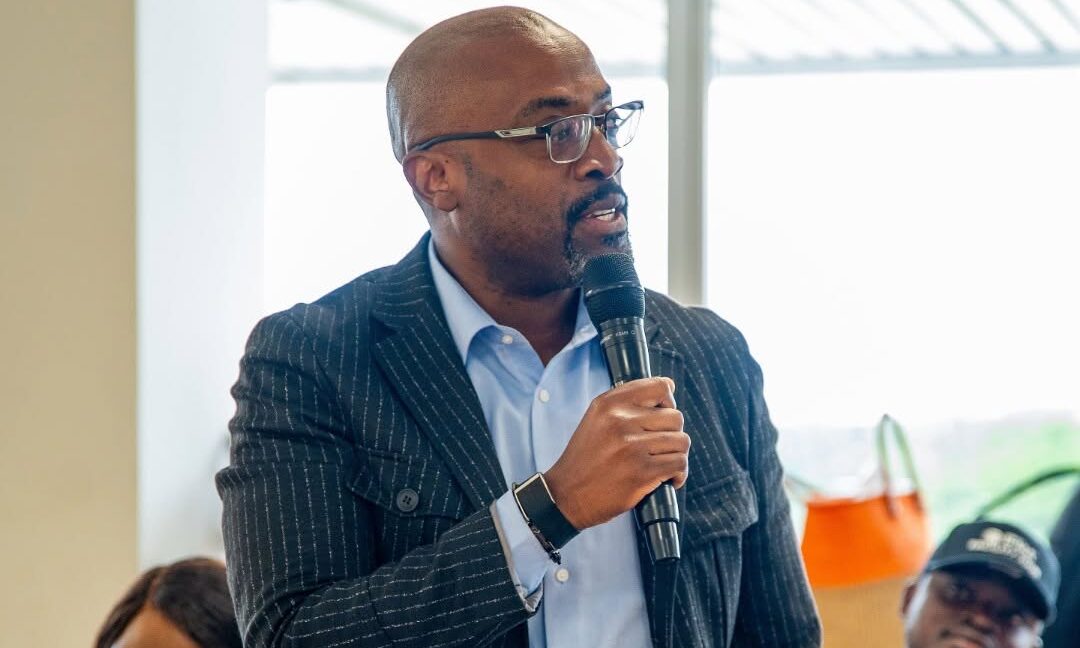




































Revered on the streets of Nairobi as one of Kenya’s best rappers, Kevin Ombima has been rocking the city's boardrooms since he took his rap game corporate. Today King Kaka is the CEO and founder of Kaka Empire, and a reputable entertainment business entrepreneur. Despite operating in arguably one of Africa’s most unstructured music industries, he has managed to commercialise his brand and that of the acts he has signed to Kaka Empire, including Avril, Femi One, Owago Onyiro, Timmy Tdat, Jr Kaka Empire and DJ Leqs.

On his breakout single 'Swahili Shakespeare' six years ago, Rabbit, as he was known then, dominated the airwaves with his version of Swahili spoken word. Over the years his brand has evolved from Rabbit to Kaka Sungura to King Kaka. His music has also changed from spoken word and hip hop to a fusion that remains true to hip hop while appealing to the masses.
MUSIC IN AFRICA: You have undergone significant rebranding, cleaned up your look and gone corporate. What was the drive behind that and how has it affected your bottom line?
KING KAKA: Artists in Kenya have traditionally made money from gigs and there is no growth in that. You will invest in a very expensive video but bookers will still give you the same amount of money. So I went back to the drawing board and asked myself, ‘Where is the money’? I took time to understand what cooperates want, suited up and started selling ideas. Now I'm paid for appearances, activations and endorsements. The real money is not on stage, it’s in branding.
You have been in the music business for many years now. What are some of the trends you have observed?
The generation of artists who were before us were doing great music but they never understood the music business. They had a solid fan base and made headlines with publicity stunts like arriving at a concert with helicopters. But they really didn’t appreciate the true value of their brands. They were hired simply because bookers needed performers to keep the crowd happy. There is, however, a new wave among the artists who are currently on the airwaves or just getting started. They appreciate the music business, and corporate sponsors are now ready to do business with us. Though we are still not getting our full value, at least corporates have started to respect us as business partners who are worthy of their investment.
The artists you manage have been receiving a considerable amount of endorsements. How do you do it?
Corporates understand facts and figures, not just hype. That’s how we approach them. When we go to meetings we give them analytics of social media impressions, audience persona and the consumer behaviour of our fan base. We understand the market segment that each of our artists appeals to and we have broken down their audience’s preferences, attitudes and tendencies. We then create a list of companies that target the same market and match an artist with a potential sponsor. We don’t wait for gigs to generate income, instead we design campaigns and proceed to pitch them to relevant firms.
Financial mismanagement is a major issue among artists. How do you secure long-term financial stability for your artists?
All our artists receive financial advice from qualified professionals. We have put our artists in savings and credit cooperatives [SACCOs]. Though we do not force them to invest, we strongly advise them to make wise financial decisions. We also do social welfare to assists our artists in times of crisis. Kaka Empire is a family and we take care of our own.
How do you spot talent and what kind of contracts do you give to your artists?
We are very selective about the artists we sign and we engage them at different levels. Some we only offer certain services, while others we do 360 deals. Every contract is different. However, I do not involve myself in ventures that don’t have long-term potential.
Funding is always a hurdle in showbiz projects. How do you deliver value for your clients within the limits of their budgets?
When there is money on the table you can’t always reject a deal just because a budget is tight. Nevertheless, from the get-go we make it clear to the client what we can deliver in light of the available budget. There are projects that we do for mileage. Associating yourself with certain brands can sometimes have a long-term benefit. You can’t build a brand by isolating yourself, so we make strategic decisions.
There are many corporates who are sceptical about celebrity marketing. Many have tried and failed at it. What is your message to them?
Approach. When we come together to do a campaign, the approach that we use to get the audience is critical. If you have a bad marketing strategy to begin with, no one will consume that product. Additionally, talent management structures are a critical component of celebrity endorsement. If an artist has say 10 000 followers, it will take a strong management team to convert these fans into consumers of a sponsor’s product.
How did you build your management team?
My current manager, Dennis Njenga, actually left a well-paying bank manager position to join my team. He was my desk mate in high school and he believed in me from the beginning. Everyone on my team is a professional in their field. Companies trust us because we are a fully fledged corporate entity and not an ad hoc operation. When you become a brand you need a team to manage you, otherwise you will have a million fans but zero conversion.
Artists often struggle to embrace talent management – many of them don’t see the value. What is your advice to them?
Why get 100% of $1 000 when you can get 50% of $5m? A management team does not eat into your small cake. It comes to bake a bigger cake so everyone can eat. Initially I used to manage myself but after a while I realised that it wasn’t going to work. The kind of deals I was getting seemed to favour the corporates so I built a team that I could trust to look after my interests. At first, we really didn’t know what we were doing but we learnt on the job and got better with time.
What do you look forward to seeing in the industry?
An end to cartels and a media that supports us. The media is killing our industry. We need mature coverage of entertainment. Most media personalities who I've talked to agree with me but they aren’t doing anything to change it.


Most popular

Top Naija songs of 2026
31 Mar 2026

Top Afrobeats songs of 2026
19 Mar 2026

Top amapiano songs of 2026
16 Feb 2026
Open call: CANEX Music Business Lab and Songwriting Camp
15 Oct 2026
Ghana: Mr Eazi and MOLIY’s ‘Comfort’ earns Urban Music Awards nomination
21 Oct 2026
Nigeria: CANEX WKND unveils 2026 programme
21 Oct 2026
Disclaimer: Music In Africa provides a platform for musicians and contributors to embed music and videos solely for promotional purposes. If any track or video embedded on this platform violates any copyrights please inform us immediately and we will take it down. Please read our Terms of Use for more.

Subscribe to our monthly Newsletter
Follow us on social media


Please log in to post a comment.