



















































Kenya’s music industry is waking up to its potential

05 Oct 2016 - 07:38


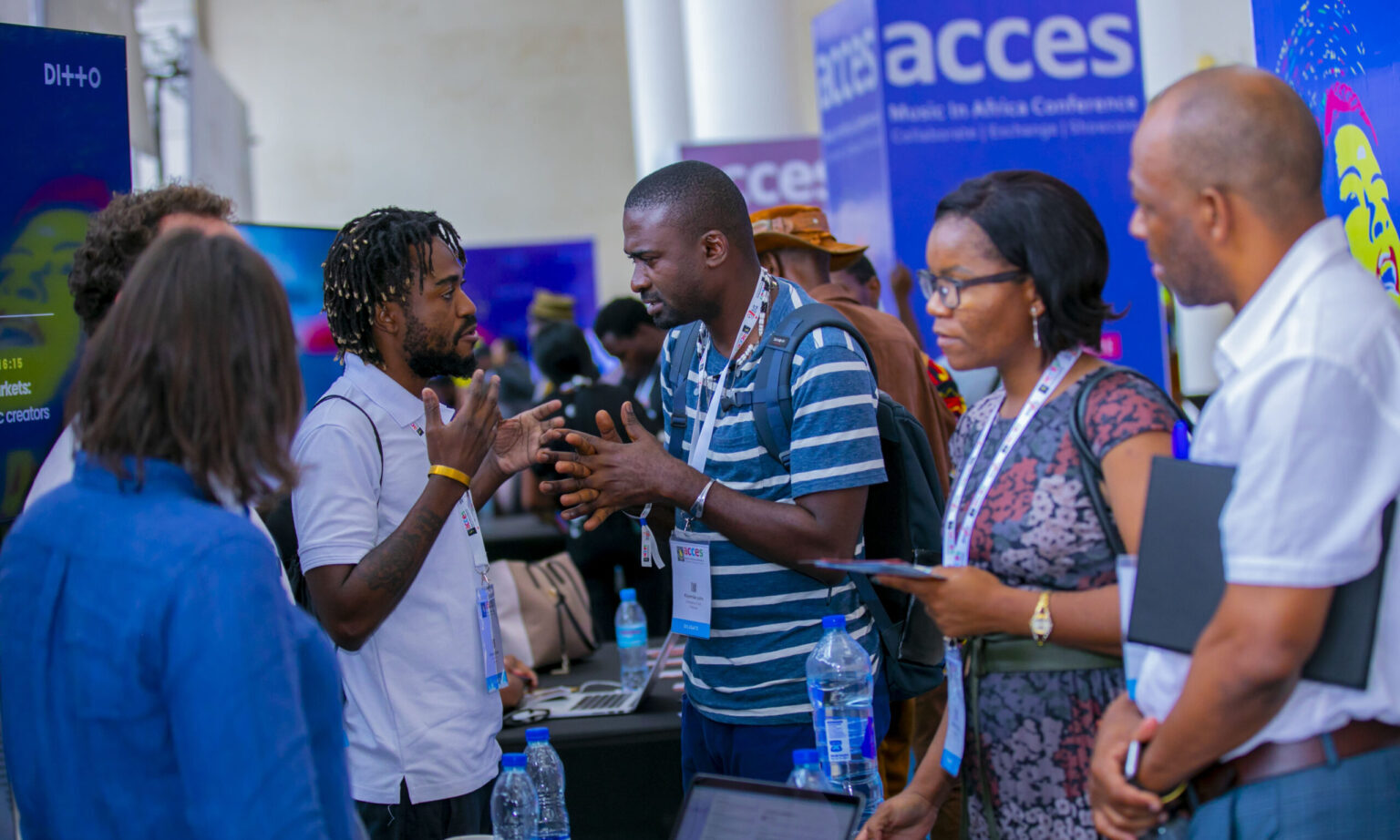
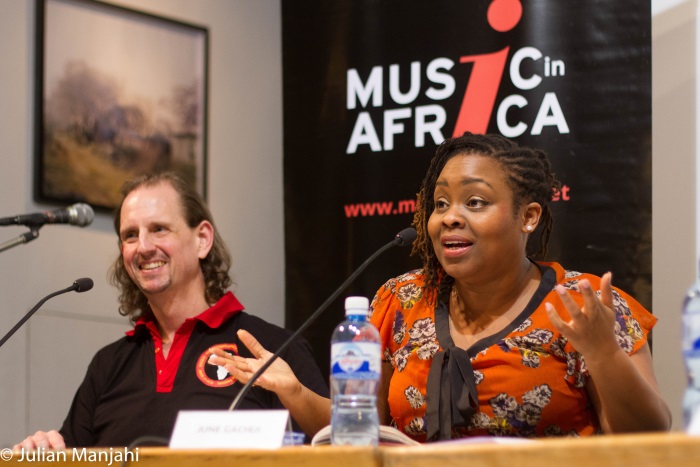
The Kenyan music industry could see its revenue grow significantly, following a concerted campaign to get broadcasters to pay artists their dues. This was revealed at a panel discussion on the financial potential of Kenya’s music industry, organised by the Music In Africa Foundation and Goethe-Institut in Nairobi on 28 September.
Industry executive Mike Strano, who was one of the panelists, said that a new royalty structure is due to be announced soon by the Kenya Copyright Board (KECOBO). At the moment radio stations pay an annual flat rate of Ksh75,000 (US $740) for use of music and TV stations pay Ksh24,000 (US $236)
“This industry has a lot of potential but the problem is weak compliance. This is money that legally belongs to artists. It has always been a requirement under the Copyright Act for broadcasters to pay CMOs (collective management organisations) their published tariffs,” he said.
“The new tariffs will be enforced by KECOBO and the Communications Authority of Kenya (CA) because it’s a CA licensing requirement for broadcasters to be compliant with the payment of rights.”
Those who do not comply with the new royalty structure will have their licences withdrawn.
Strano, founding director of PHAT! Music and Entertainment Ltd, has been working with KECOBO and the three CMOs to streamline the broadcasting tariffs. The CMOs involved are the Music Copyright Society of Kenya (MCSK), the Kenya Association of Music Producers (KAMP) and the Performers’ Rights Society of Kenya (PRISK).
Strano was joined on the panel by George Gachara, managing partner at the HEVA Fund; Tim Rimbui, music producer and founder of online music and audio service waabeh.com; and June Gachui, intellectual property lawyer and musician. The discussion was moderated by Bill Odidi, a radio producer at the Kenya Broadcasting Corporation (KBC).
Strano said it’s time for big corporates to share their wealth with those who help them build it. “Last year brands spent US $319 million (Ksh31.9 billion) on radio and US $242m (Ksh24.2b) on television. If 10 percent of that had gone to paying artists, that would be US $56m (Ksh5.6b) to build the industry,” he said.
Strano noted that broadcasters cannot operate without music – production music, jingles, signature music, music videos. Yet he complained that brands are being built on the backs of struggling artists.
“Of the Ksh360 million (US $.3.5m) the MCSK collected last year, only Ksh60 million (US $ 592,537) came from broadcasters. Nowhere else in the world do broadcasters, the biggest users, pay the least. Matatus (public transport vehicles), venues and DJs are paying more than broadcasters.”
He said, of the 370 radio and TV stations in Kenya, only 40 pay royalties. Broadcasters have complained about the higher tariff, but Strano said radio and TV stations should devise new strategies to pay royalties.
“It is very simple – let the broadcasters load 10 percent onto their rate card. The advertisers will pay,” he suggested.
The discussion also touched on widespread unhappiness with MCSK, which has recently been dogged by controversy. Just last month the MCSK board of directors suspended acting chairman Bernard Mukaisi for 30 days for gross misconduct and abuse of office. Two weeks before, former MCSK chairman Maurice Okoth was cleared of criminal charges by a Nairobi court. Okoth had been accused of misappropriation of royalties and lack of transparency and was suspended in March this year, after which he resigned.
Improvements in royalty administration
The panel generally agreed that lack of efficiency in royalty administration is affecting growth in the industry.
Gachara, whose organisation funds creative entrepreneurs, referred to MCSK’s annual report for the year ending June 2015. MCSK collects royalties on behalf of musicians. Gachara pointed out that MCSK’s overheads are too high, a result of having to spend a lot of money chasing after smaller players.
MCSK collected only Sh1.73 per shilling spent in bars, matatus and venues, whereas it is cheaper and faster to collect from broadcasters. It was noted, however, that the three CMOs will soon implement a joint licensing initiative to effect a significant reduction in expenses, and higher collections.
“It is a sad case, if you do the math. Total collection stood at Ksh360,925,794 (US $3.6m) while expenses were Ksh208,645,884 (US $2.09m), which is 58 percent. After other statutory deductions, only Ksh126,950,965 (US $1.27m) was paid in royalties. That is 3.5 percent of the total collected,” Gachara said.
“If you consider that MCSK declared they made 23 millionaires, there’s just a pittance left for the other 12,133 members to share – somewhere in the region of Ksh7,000 (US $70) per artist, for a whole year’s work! Artists are not earning a living wage from their music. Also, the best artists are not earning as well as the best in other professions, say the financial sector or medicine.”
There are two fronts to the compliance campaign; the first being royalty tariffs. The second compliance is with the Programming Code, which requires that local broadcasters carry at least 40 percent local content in music, advertising and productions, and build up to 60 percent in four years.
The Programming Code was to take effect on 1 June this year. However, of the 64 licensed free-to-air TV stations, only the state-owned KBC had complied. The deadline was extended to the end of February 2017. On average, radio stations play 30 percent local music.
The panel also briefly touched on the recently released PricewaterhouseCoopers (PwC ) Entertainment and Media Outlook for 2016–2020, which forecasts that mobile music revenue will push Kenya’s total music income to reach US$29 million by 2020 (from US$19 million in 2015).
A tale of two cities
Gachui noted what is often referred to as “the great divide” between upmarket and down-market Nairobi. It is a result of Nairobi’s colonial legacy, where the city was zoned for racial segregation that has now been overlaid by economic segregation. There is an actual boundary – a road that separates the two “cities”.
For a long time the polished side of the city has looked down on the pragmatic, no-frills style of the other. That was until it emerged that the seemingly poorer side of Nairobi makes more money because their overheads are low and they serve the masses.
Musicians who appeal to the rural or low-income demographic are some of the biggest royalty earners, according to 2015 MCSK reports. “It is a business model we might want to learn from, as opposed to dismissing it,” Gachui said.
More original music and local support
The perennial issue of lack of identity in Kenyan music was raised by Tabu Osusa, founder of Ketebul Music, which promotes African music. Osusa questioned the trend of copying styles and even whole melodies and rhythms from Nigeria, South Africa and the US.
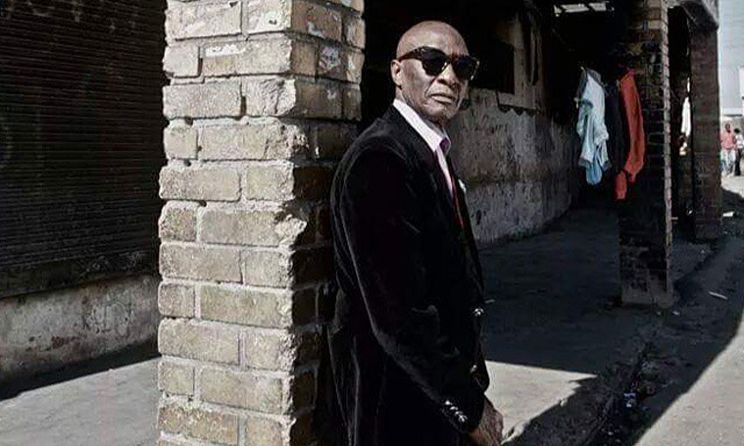
Debunking the myth that you can’t earn well from traditional music, Osusa gave examples of Ayub Ogada, a veteran musician who promotes local culture in his music and who is well remunerated.
“When we give our music our own identity, we will be able to sell it abroad and build a loyal following at home. Our artists will benefit from endorsements, too, because they stand out. That’s where Nigerian, South African and Congolese musicians beat us.”
Osusa also said the industry would generate more revenue if there were more local publishers representing Kenyan artists. Currently the South African company Sheer Publishing is the main music publisher in Kenya.
Responding to a question from the audience on why there is no dedicated streaming service in the country, Tim Rimbui pointed out that paid streaming is not yet established enough in Kenya to attract high revenues for both artists and service providers. “You must understand your market. From my experience, the most successful streams here are the educational ones for new products. Also, the reality is that internet access is limited. Data is only cheap in Nairobi. Nairobi is so cosmopolitan that we forget where we are and look to the West for solutions,” he said.
Countering piracy
Despite piracy being widespread in Kenya, the panel observed that there has been no enforcement of the amendment of Section 28(5) of the Copyright Act. The Act stipulates that musicians and music producers will earn royalties from recording equipment or media used by individuals to store music for their private use. These royalties are commonly referred to as the Blank Tape Levy.
Manufacturers and importers of CDs and DVDs should be paying the levy, which is set at six percent. That way, noted the panel, the industry can at least benefit from piracy in some way. There is also the removal of current import duty (25 percent) and VAT (16 percent) on digital cameras, television cameras, lights, microphones, dollies and video camera recorders.
The zero rating on film equipment that was announced in last year’s budget was a move to incentivise the film industry, which also benefits the music industry. However, music producers and cameramen complained of red tape in trying to import equipment. This, too, is an area of great financial potential.
Ring tones
It was revealed in the discussion that about 5,000 artists have registered at least 11,000 songs on the Skiza ring tone service by Safaricom, Kenya’s largest telco. The ring tone service has become wildly popular with phone users and is among Safaricom’s biggest premium services earners.
Skiza generated Ksh1b (US $10m) between June 2015 and February 2016, of which the company paid Ksh152m (US $1.52m) to artists. But it has also been dogged by controversy over royalties. Skiza payments rose from 7.5 percent to 15 percent last year and are expected to be 17 percent this year and 20 percent next year, in agreement with the three CMOs.
Earlier this year the high court ruled that the money can henceforth be channeled through the CMOs and not just agents, otherwise known as Premium Rate Service Providers PRSPs, which means artists do not need to split their share (15 percent) with PRSPs. However, artists are demanding much better rates from Safaricom, and the panel pointed out that this is another area of latent potential for the industry.
Artists should diversify their income streams
The panel encouraged artists to diversify their revenue streams beyond the music industry into the whole entertainment industry.
“You could write music, do live performances, create music for video games and films, or even sell your own merchandise. Be prolific. Stay relevant on social media. Be curious and never stop learning,” music producer and entrepreneur Rimbui said.
“Technology has changed production, distribution and even royalty disbursement, so take advantage of online platforms, present your social marketing platforms professionally.
“Understand your strengths and focus on them. Your competition as a ‘gigging artist’ is Instagram and Twitter, Facebook. Why should people come see your show when they can stay at home and be entertained on their phone? You must be the best at what you do.”


Most popular

Top Naija songs of 2026
31 Mar 2026

Top Afrobeats songs of 2026
19 Mar 2026

Top amapiano songs of 2026
16 Feb 2026

Ghana: Mr Eazi and MOLIY’s ‘Comfort’ earns Urban Music Awards nomination
21 Oct 2026

Open call: CANEX Music Business Lab and Songwriting Camp
15 Oct 2026

Nigeria: CANEX WKND unveils 2026 programme
21 Oct 2026
Disclaimer: Music In Africa provides a platform for musicians and contributors to embed music and videos solely for promotional purposes. If any track or video embedded on this platform violates any copyrights please inform us immediately and we will take it down. Please read our Terms of Use for more.

Subscribe to our monthly Newsletter
Follow us on social media


Please log in to post a comment.