



















































By Yonatan Tewelde
The music scene in Asmara is known for setting the standard of Tigrinya music for listeners in Eritrea and Ethiopia. Modern Eritrean music has been much influenced by the setting up of the Kagnew American army radio that started broadcasting in the 1940’s. However, it was mainly modernized when local music bands were established in early 1960’s. This text looks at the development of the live music scene in Eritrea.
A major contribution that the development of Eritrean music was the establishment of Mahber Theatre Asmara[i] (Asmara Theatre Association) in 1961. Many of today’s legends in Eritrean music emerged in this era of tense political climate. More importantly bands like Eritrean Theater association and Mahber Dekebat (The Association of the Indigenous) formed as the earliest Eritrean bands setting the standard for the coming generations.
Half a century later today, the live music scene in Eritrea has been revitalized with the emergence of new trends including the “Piano Bar” culture where many of the old jazz and blues songs are adored nostalgically setting high standards for current artists.
Piano Bar culture
The piano bar music performance culture became popular around 2004 in Asmara, where leading singers like Dawit Shilan played at the Ha.Ko.Se.E cafe’ with his unique talent of krar instrument. At the time live music in bars being a new experience in the city, the cafe was overcrowded in the weekends where many customers had often to be turned away. One of the intrinsic characteristics of the piano bars is that the artists remix a range of classic hits instead of sticking to performing their own songs solely. Dawit Shilan playing Atewebrhan Segid’s 1970s jazz for example, not only brought the classic song to life, but showed his mastery of performance and krar skills.
Piano bars have mainly been providing a platform for avant garde jazz and blues genres and hardly the dancing Guayla music. The sentimental aura in piano bars is accentuated by nostalgic lyrics from the 1960s to the 2000s that reflect heartbreak, separation, loss and nationalism. Piano bars are sites of true passion and reflection for artists, as they are not bound by the demands for upbeat dancing of concerts. After the success of the Ha.Ko.Se.E piano bar, other hotels and cafes were quick to catch on the business. Hotels like Sunshine, Savana, Bologna cub and Ayele family have been hosting contemporary favourites like Yohannes Tikabo, Tesfay Mengesha and Kahsai Haile regularly.
In 2013, Berhe Aiba Hotel started a different genre of live performances giving prominence to musicians rather than the singers. Classical jazz music was played with a few singers like Yohannes Tikabo featured on some of the tracks. Some of the best talent in music like Shonqie, Fanjai, Chobie and Gidewon were brought together as a band providing a unique experience to their fans with an elevated taste in music. The place became a hangout for many musicians and some artists would get onto the stage and start playing songs out of heart. Today Berhe Aiba hotel is regarded as one of the best dance music clubs in Asmara.
Perhaps, the piano bar’s success in Asmara could have a lot to do with the Gaeda music genre, which is music played in Swa houses in Aba Shawel, a district in Asmara, which has been the home for many highly acclaimed artists across generations. Gaeda is a communal music experience where a singer would play songs along with the friends beating drums, clapping and singing along. Many of these songs are exclusively played in Gaeda settings never getting released in albums, often being modified by whoever sings them with pertaining social and political lines. Piano bar phenomenon has almost been exclusive to Asmara because almost all contemporary musicians and singers live in the capital city.
Music venues
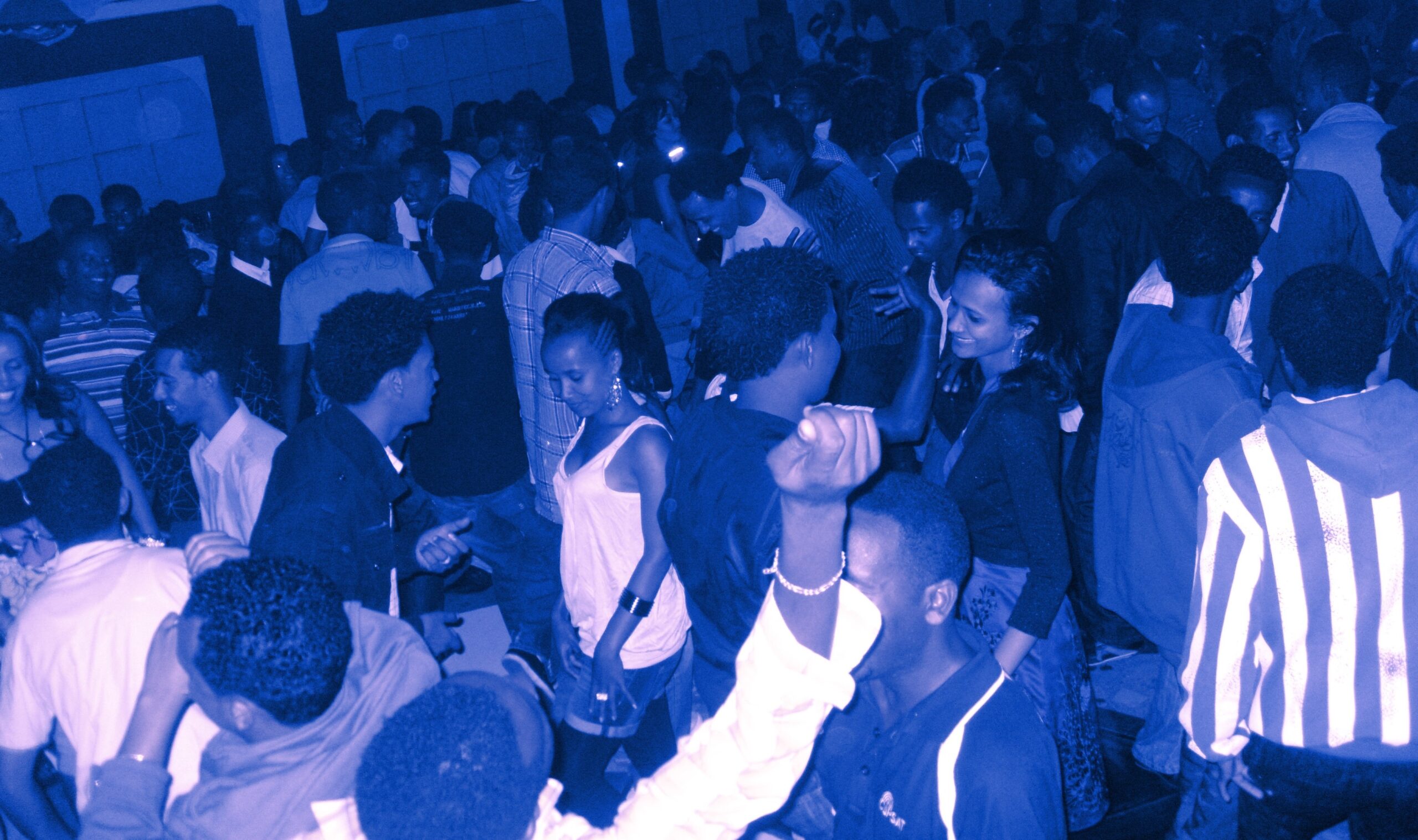
The main live music venues in Asmara are located in the Expo grounds[ii], not far from Asmara International Airport. The expo ground which also hosts the yearly national festival, holds within it restaurants, bars and concert halls. There are regular live concerts on the weekends in Shamrock Cafe, Hidmo, West End and Expo Hall. The dominant type of music played in these establishments is Guayla. Guayla is an upbeat traditional dancing music of Tigrinya culture which has been dominant as a contemporary music as well. Unlike the piano bar and Gaeda music, the audience of these concerts are more intent in dancing their night away rather than sitting back and appreciating music.
One might also run into the frequent international concerts hosted at Cinema Roma in Asmara, where African talents perform commissioned by the Alliance Francaise d'Asmara. Artists like Tiken Jah Fakoly, Fatoumata and Habib Koite have given widely acclaimed concerts. The biggest concerts and shows in the nation happen during national holidays, mainly organized by the Cultural Bureau of the PFDJ party. The biggest of these shows are played for more than a week long during the national Independence Day in May in different venues including Bahti Meskerm square, Cinema Roma and Cinema Odeon. The highlight event is held in the national stadium on the Independence Day attended by the president and diplomats. Although most of the songs produced during the state organized concerts are patriotic in nature, a few love songs are also commissioned as new releases.
Similar events are also organized in other towns in Eritrea during the national holidays, mainly in town stadiums and halls. The main ones are those held in Massawa, Dekemhare and Keren. In february, Massawa city hosts the Fenkil, commemorating the liberation of the coastal city in 1990, where a series of performances and songs of patriotic content are showcased. Sawa, the military training center in the Western lowlands of Eritrea also hosts many concerts annually that are often televised online. The shows in Sawa are coordinated for the tens of thousands of high school students who spend a year in the barracks. The biggest shows are coordinated during the graduation of trainees and the national youth festival that is organized every two years in Sawa. The sixth edition of the National Youth Festival[iii] was held in July 2014.
Events
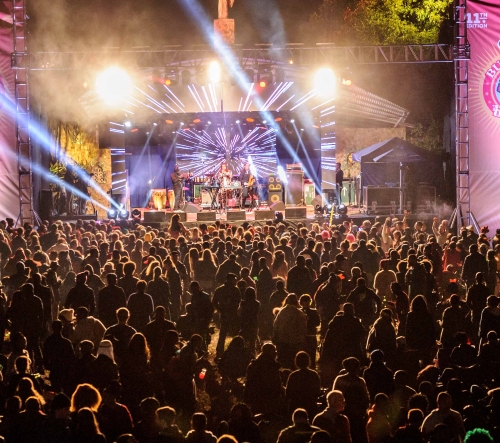
Hosted annually around August, the Eritrean national festival is the biggest cultural event all year around. A multitude of exhibitions, shows and performances are exhibited by artists and cultural troupes from throughout the country. Throughout the ten days that usually commence at the beginning of August or late July, open air night concerts are held simultaneously by amateur and professional bands and talents. Many of those bands represent army divisions throughout the country, and compete in a runoff for the final annual performance award.
The greatest attraction in the festival are the series of colorful traditional cultural shows representing diverse ethnicities in the country. Styles of costume, music and dancing in these cultures are brought together in nearby installments creating a mosaic of loud noises and color. The festival climaxes on the final night when outstanding traditional performances and songs of the year are awarded the yearly Raimoc prize. Elias Weldegebriel (2013), a prominent music instructor in Asmara, notes however that the competing performances are not all authentic traditional representations as they are often “modified for the sake of uniformity and choreography and the need for spectacle.”
Challenges
Perhaps one of the greatest shortcomings in contemporary Eritrean music is the habit of over reliance on stage playbacks where singers are merely reduced to being actors imitating their own selves as live singers. Most of the concerts performed publicly on these holidays follow this trend that nurtures mediocrity and limits competitiveness of vocal excellence.
This persistent problem has paralyzed musical talent, as the relevance of bands with full instruments dwindles as a result. This has led to the production of music in the few studios where tracks of instruments are recorded separately, often without the musicians ever coming together. The singer who records the vocals a few days before the scheduled concerts then faces the task of lip syncing the new song in the most important concert of the year.
References
Weldegebriel, Elias. Community Music in Africa: Perspectives." Community Music Today (2013): 61.


Most popular

Top Naija songs of 2026
31 Mar 2026

Top Afrobeats songs of 2026
19 Mar 2026

Ghana: Mr Eazi and MOLIY’s ‘Comfort’ earns Urban Music Awards nomination
21 Oct 2026

Top amapiano songs of 2026
16 Feb 2026
Open call: CANEX Music Business Lab and Songwriting Camp
15 Oct 2026
Nigeria: CANEX WKND unveils 2026 programme
21 Oct 2026
Disclaimer: Music In Africa provides a platform for musicians and contributors to embed music and videos solely for promotional purposes. If any track or video embedded on this platform violates any copyrights please inform us immediately and we will take it down. Please read our Terms of Use for more.

Subscribe to our monthly Newsletter
Follow us on social media


Please log in to post a comment.