

























































By Brook Abdu
This text provides an overview of the Ethiopian live music scene, from the challenges it has faced over the years to its recent revival.
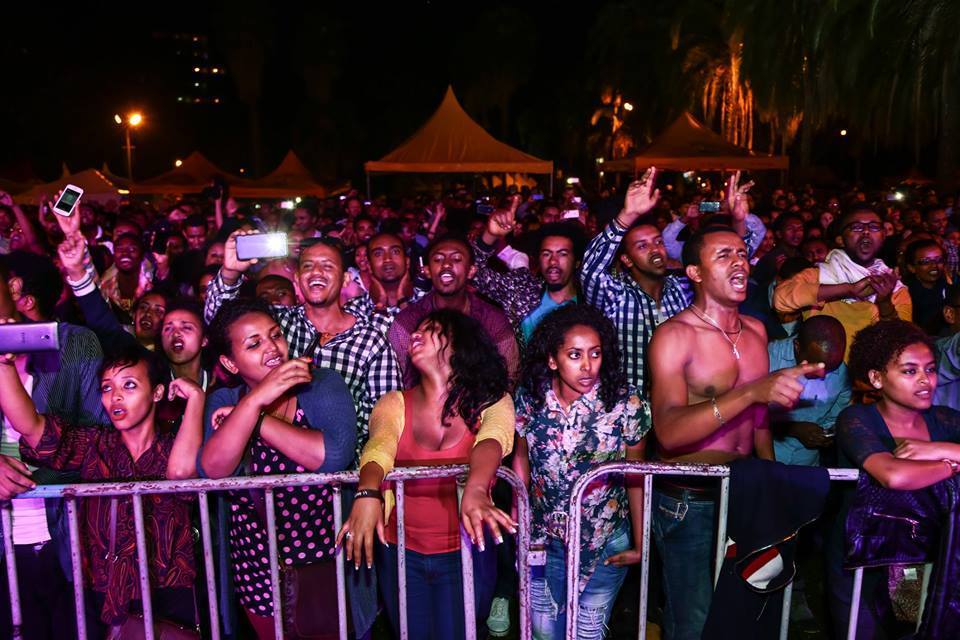
In 1974, when the Derg regime ousted Emperor Haile Selassie, it was not only Haile Selassie’s regime that suffered. Nearly every type of freedom, including a musical freedom based on improvisation, also suffered the same fate. The curfew imposed stifled the live music scene that was getting a foothold in the country, preventing people from staying out late to enjoy music.
Seventeen years later, in 1991, things started to look up for the music industry as jazz music began a cautious revival after the Derg's overthrow. Bars began staging jazz nights again. Interest was generated among overseas jazz fans through the success of French Ethiopiques compilations of Ethio-jazz recordings from the 1950s and 1960s. The first collection was released in the late 1990s. Then three new jazz schools opened, followed by a jazz event, the Acacia Jazz and World Music Festival. Since then the Ethiopian live music scene has continued to gain traction, with more people venturing out to sample the country’s rich musical repertoire.
Festivals
Just like many other countries in Africa, the live music scene in Ethiopia’s capital Addis Ababa is more vibrant than elsewhere in the country. However, other regions do get to experience live music every now and then - particularly during public holidays, when music promoters decide to spread the festivities to other places.
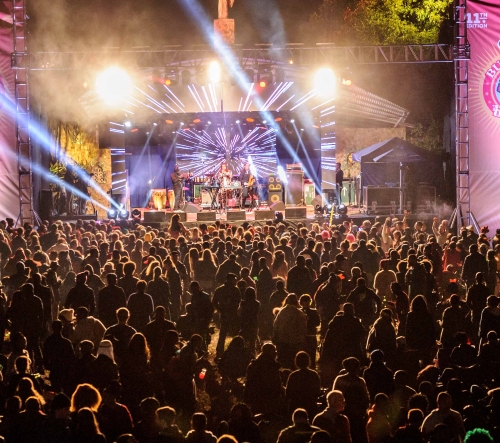
Selam Festival Addis remains one of Ethiopia’s well known music festival. Held in January, the festival marked its fifth edition in 2016 by hosting Ethiopian artists such as Mahmoud Ahmed, as well as performers from other countries, including Uganda.
Reggae In The Rift Valley Festival is another popular festival in Ethiopia. It is held in Shashamane, Hawaassa and Adama. In 2016 the festival staged a two-day concert on January 4 and 5 to celebrate what would have been the 71st birthday of the late Jamaican regge legend Bob Marley.
Another festival, Crossing Boundaries, was held for the first time in September 2015. Crossing Boundaries is more than just a music festival as it incorporates other performance arts such as theatre and dance. The first edition was held at the Ethiopian National Theatre and featured artists from Kenya, Rwanda, Burundi, the US and Ethiopia.
Known for producing great athletes, Ethiopia’s most colorful event in the capital is the Ethiopian Great Run[i], which incorporates live music performances to accompany the runners (both locals and tourists) at various places along the route. The event became popular thanks to the efforts of legendary Ethiopian athlete Haile Gebreselassie and attracts more than 35 000 attendants.
Other music festivals are emerging Ethiopia, although they are sometimes lacking in temrs of quality and consistency.
Venues
Jazzamba, the iconic Addis Ababa nightclub, is regarding as having played a crucial role in the revival of Ethiopian jazz after it had all but disappeared under Communist rule. After opening its doors around 2011, the club swiftly became the capital’s landmark jazz club, run and managed by the musicians themselves. Jazzamba was the first club in Addis Ababa to offer concerts every night, with a particlar emphasis on jazz. Since it opened, interest in Ethio-jazz, with its distinctly non-Western scale, grew to new levels. Three nights a week, young musicians would play with the big names of Ethio-jazz, such as Alemayehu Eshete or Bahta Gebrehiwot. Sadly the situation changed in January 2015 when fire destroyed the venue, forcing jazz lovers and artists to look elsewhere. This has not been difficult though.
Mama’s Kitchen[ii], an Ethio-Italian fusion restaurant, is a venue where one can get injera, pizza and amazing live music all under one roof. Monday nights are most popular, with the venue's famous jam session backed by the Nubian Arc musicians. It is packed with connoisseurs and artists who take turns to get the audience involved. Each night of the week hosts a different feature: Friday’s are reserved for the Blu Vibes Band, Saturdays host the Lubac Acoustic Band, and Sundays feature pianist Samuel Yirga and his jazz band. Mama’s Kitchen is only capable of accommodating around 250 people, which is a surprise for some who are used to seeing top musicians perform in bigger spaces.
Another popular live music venue in Addis is the Jupiter International Hotel, which has locations in Kazanchis and Bole, both featuring talented jazz bands on a weekly basis. Every Thursday, for example, Bibisha Teferi and his four-member Four Star Band play a two-hour gig. There are also regular 'piano nights' several times a week at both locations. [iii]
For Ethiopian pop music, one club cannot disappoint: Club H20. Here Jano Band, a popular six-member outfit, play once a week to enthusiastic crowds.
Reggae lovers also won't be disappointed in Addis, as long as they know where to look. Jams Club, situated beyond Yod Abyssinia at Bole Medhane Alem, is a relatively new venue offering superb reggae as well as salsa. Reggae is typically on Thursdays and Saturdays, performed by the well-established Imperial Majestic Band fronted by star singer and dancer Sydney Salmon (Solomon).
The Ghion Hotel, close to the famous Meskel Square, in conjunction with internationally famous vibraphonist Mulatu Astatke, has set up the African Jazz Village on its vast premises. The Belema Jazz Band takes to the stage on Wednesdays and Saturdays, MistO-MistO Band on Thursdays and Express Band on Fridays. When Mulatu is in town, he usually performs on Saturdays, joined usually by other great Ethiopian musicians.
The Coffee House, one of Addis Ababa’s earliest jazz clubs, has also recently re-opened after being closed for years.
Promoters
Event organizers and promoters in Ethiopia note that artists and producers tend to rely heavily on live concerts as album sales have declined over the years. “CDs and cassettes are not as popular as they were in the past because of the introduction of new technologies like flashdrives or memory sticks, therefore artists and producers benefit more from the concerts that are organized,” opines Fitsum Alemayehu, a promoter at Adika Communications and Events. Adika has staged concerts for artists such as Haile Roots, Aster Aweke, Teddy Afro, Natty Man, Gosaye Tesfaye, Ejigayehu 'Gigi' Shibabaw and Michael Belayneh. Concerts by stars like Aster Aweke and Teddy Afro tend to attract a lot of interest from the public.
In order to stage a concert in the city, promoters need to get permission from the office of the Addis Ababa city administration - often referred to as a 'go-ahead’ permit. There is no payment to be made for this kind of permission, but the city administration must be notified of the event for security and related concerns. Besides the payments made to the artists, event promoters complain that there is a challenge in finding live performance venues as they are becoming increasibly expensive to hire.
Teddy Afro has in the past been forced to cancel concerts after the official licensing body failed to grant the necessary paperwork for the event. In early 2016, Teddy was meant to stage a much publicized concert that was ultimately cancelled because the promoter, Habesha Weekly, could not get the required license. Had the concert been staged, Habesha Weekly had reportedly agreed to pay Teddy a handsome performance fee of three million Birr (nearly $140 000).
Besides Adika and Habesha Weekly, other promoters of live music events in Ethiopia include Century Promotion Service, Selam Ethiopia, Tenayesteligh Entertainment & Event Organizer, Halleta Advertising & Entertainment, Negus Promotion and Yisakal Entertainment, among many others.


Most popular

Top Naija songs of 2026
31 Mar 2026

Top Afrobeats songs of 2026
19 Mar 2026

Ghana: Mr Eazi and MOLIY’s ‘Comfort’ earns Urban Music Awards nomination
21 Oct 2026

Top amapiano songs of 2026
16 Feb 2026

Open call: CANEX Music Business Lab and Songwriting Camp
15 Oct 2026
Nigeria: CANEX WKND unveils 2026 programme
21 Oct 2026
Disclaimer: Music In Africa provides a platform for musicians and contributors to embed music and videos solely for promotional purposes. If any track or video embedded on this platform violates any copyrights please inform us immediately and we will take it down. Please read our Terms of Use for more.

Subscribe to our monthly Newsletter
Follow us on social media


Please log in to post a comment.