

























































South African creative Mantwa Chinoamadi has been at the helm of T-Musicman since its early ventures into live music promotion and production in 1989, when she was appointed as Artist Liaison.
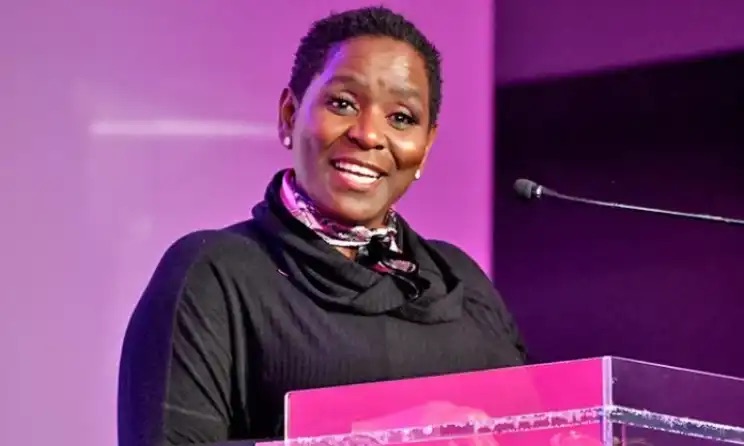
Over the years, she has worked with some of the most iconic names in music, including Queen, Jonas Gwangwa, Rebecca Malope, and Brenda Fassie, all of whom entrusted her and T-Musicman with the marketing and promotional aspects of their careers.
Her first major project as project manager came during South Africa’s first democratic elections in 1994, when T-Musicman was tasked with coordinating the Voter Education Rally campaign—an initiative aimed at educating the public ahead of the historic elections.
While she has undertaken various business courses to strengthen her theoretical knowledge and leadership skills, Mantwa’s commitment to excellence has also taken her across the globe, allowing her to gain first-hand experience in delivering world-class events, concerts, and festivals.
Music In Africa's Ano Shumba had an in-depth conversation with Chinoamadi, delving into her inspiring work and its profound impact on the community. delving into her inspiring work and its profound impact on the community.
MUSIC IN AFRICA: How can the intersection of music and culture create more inclusive and sustainable communities?
MANTWA CHINOAMADI: The intersection of music and culture can create more inclusive and sustainable communities by promoting cultural exchange programs that providing platforms for underrepresented groups, cultural events also support local economic development through tourism. Creative spaces foster community engagement and social cohesion
Can you highlight any programmes or models that have been particularly effective in creating pathways for women leaders?
Effective programmes and models for women leaders in music includes engagements between experienced mentors and pairing them with industry professionals. Developing skills in music production, business management, and leadership, women need spaces to create, produce, and promote music. Providence of financial support specifically for women-led projects and initiatives is very vital. Additionally, organisations such as the Arts Connect Africa (ACA) is dedicated to empowering women in the music and cultural industry by offering educational webinars and classes, equipping them with valuable skills and connections to unlock meaningful opportunities.
How can the intersection of music and culture create more inclusive and sustainable communities?
Through social mobility and economic empowerment opportunities provided by organisations such as Concerts SA and Country Cultural Attaché Programmes. By encouraging community ownership and engagement of programs.
Could you explain how blending global insights with local knowledge helps drive sustainable impact?
I’m a testament to the power of blending global insights with local knowledge. My early years as an intern at renowned festivals like the New Orleans Jazz Festival and Montreal Jazz Festival broadened my perspective. Through knowledge-sharing and cooperation with global and local stakeholders, I honed my skills and gained valuable expertise. This experience taught me the importance of adapting global solutions to meet local needs and realities. By benchmarking with international best practices, the Joy of Jazz has been able to harness local cultural knowledge and expertise to drive sustainable impact in my own community.
Africa has the highest proportion of women entrepreneurs globally at 22%. How have you seen this entrepreneurial spirit specifically manifest in the music and cultural industries?
The entrepreneurial spirit of African women is thriving in the music and cultural industries, characterised by Innovative business strategies and models that create innovative offerings that cater to local and international markets.
Your work focuses on breaking down barriers for women in music. What are the most significant obstacles you’ve encountered, and what strategies have proven most effective in overcoming them?
As a woman in the music industry, I’ve faced numerous challenges, including sexism, limited access to resources, and stereotyping. However, I’ve learned that there are effective ways to overcome these obstacles. Personally, I’ve found strength in building a network of supportive women and allies. Developing my business and leadership skills has also empowered me to navigate the industry with confidence.
I believe it’s crucial to advocate for policies and industry reforms that promote equality and inclusion. By celebrating and promoting women’s achievements in music, we can create a more just and vibrant industry for all. Together, we can break down barriers and create opportunities for women to thrive in music.
Could you share specific examples of how empowering women in the music industry has directly strengthened communities and contributed to economic development across Africa?
As someone who’s passionate about music and community development, I’ve witnessed first hand the transformative impact of empowering women in the music industry. In my own community, I’ve seen how empowering women in music has created jobs and generated income for families, preserved and promoted our rich cultural heritage and inspired future generations of young women to pursue their dreams. By supporting women in music, we’re not only promoting gender equality, but also contributing to the economic and social development of our communities.
Looking ahead five years, what transformative changes do you hope to see for women entrepreneurs in Africa’s music and cultural landscape, and what role do you see yourself playing in that evolution?
As I look to the future, I envision a transformative shift in Afric’'s music and cultural landscape, where women entrepreneurs thrive and lead. Over the next five years, I hope to see increased funding and resources for women-led businesses, bridging the gap in economic empowerment, more women in leadership positions, overcoming all the mentioned obstacles and paving the way for future generations, inclusive industry practices and policies that promote, diversity, equity, and accessibility.
Personally, I’m committed to playing a role in this evolution advocating tirelessly for women's empowerment and inclusion in the music industry. Providing training and capacity-building programs that equip women entrepreneurs with the skills and knowledge they need to succeed. Supporting and promoting women-led businesses and initiatives, amplifying their voices and work. Most important, collaborating with other stakeholders to drive industry-wide change and reform, ensuring a more equitable and just landscape for all. Together, let’s create a brighter future for women entrepreneurs in Africa’s music and cultural industries


Most popular

Top Naija songs of 2026
31 Mar 2026

Top Afrobeats songs of 2026
19 Mar 2026

Top amapiano songs of 2026
16 Feb 2026
Open call: CANEX Music Business Lab and Songwriting Camp
15 Oct 2026
Ghana: Mr Eazi and MOLIY’s ‘Comfort’ earns Urban Music Awards nomination
21 Oct 2026
Nigeria: CANEX WKND unveils 2026 programme
21 Oct 2026
Disclaimer: Music In Africa provides a platform for musicians and contributors to embed music and videos solely for promotional purposes. If any track or video embedded on this platform violates any copyrights please inform us immediately and we will take it down. Please read our Terms of Use for more.

Subscribe to our monthly Newsletter
Follow us on social media


Please log in to post a comment.