

















































Mokoomba manager Marcus Gora talks about band’s success

23 Nov 2019 - 14:38


Mokoomba is currently one of Zimbabwe's biggest musical exports. The band has been playing internationally since the release of its debut album Kweseka in 2009. Since then, Mokoomba has released two more albums – Rising Tide (2012) and Luyando (2017) – and continues to be booked to perform at some of the biggest festivals around the world.

The six-piece's success is due to its eclectic fusion of styles, which includes soukous, funk, reggae, rock and Afrobeat, and a dedicated management team working tirelessly behind the scenes to find new opportunities for the band while growing its unique brand.
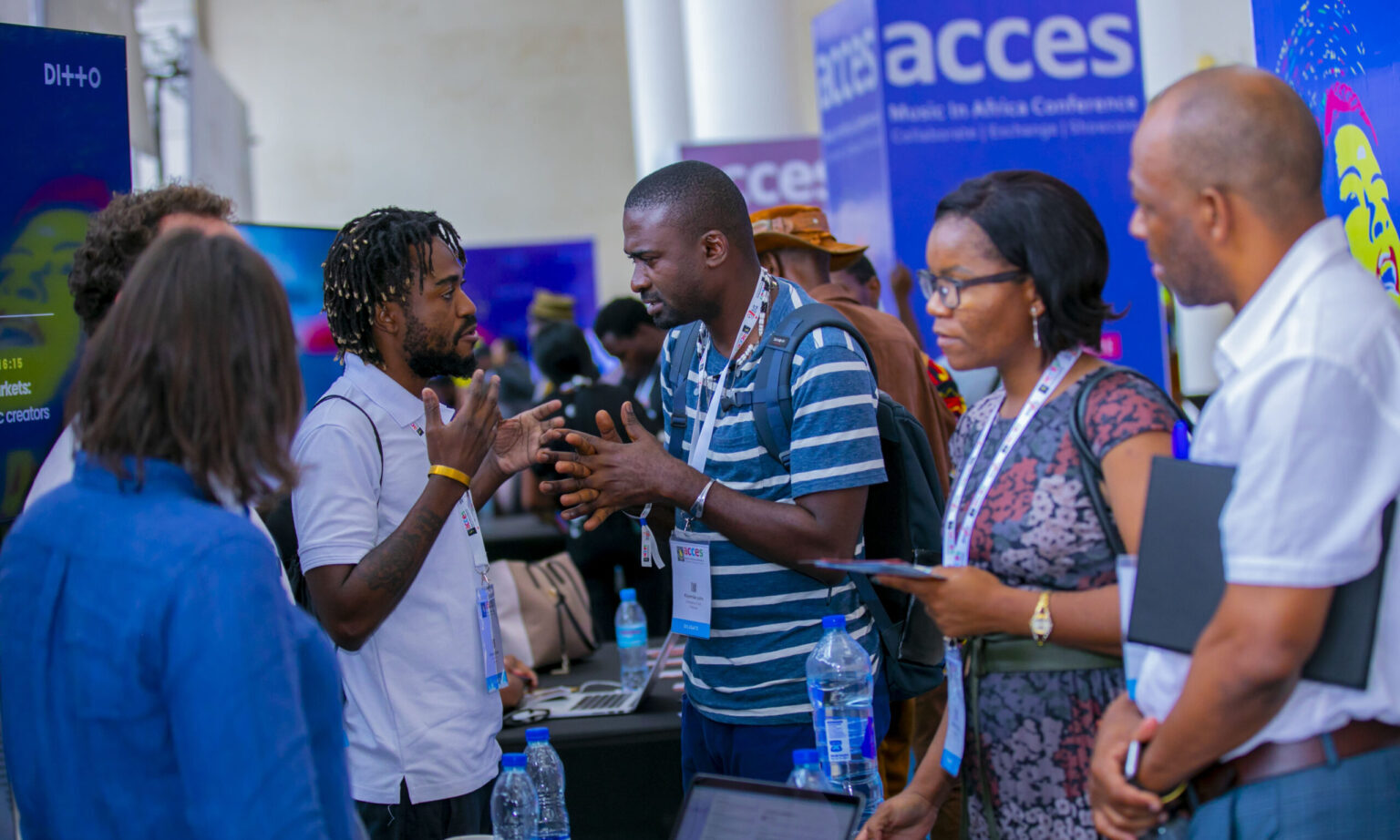
On 30 November, Mokoomba will showcase the 2019 Music In Africa Conference for Collaborations, Exchange and Showcases (ACCES) in Accra, Ghana.
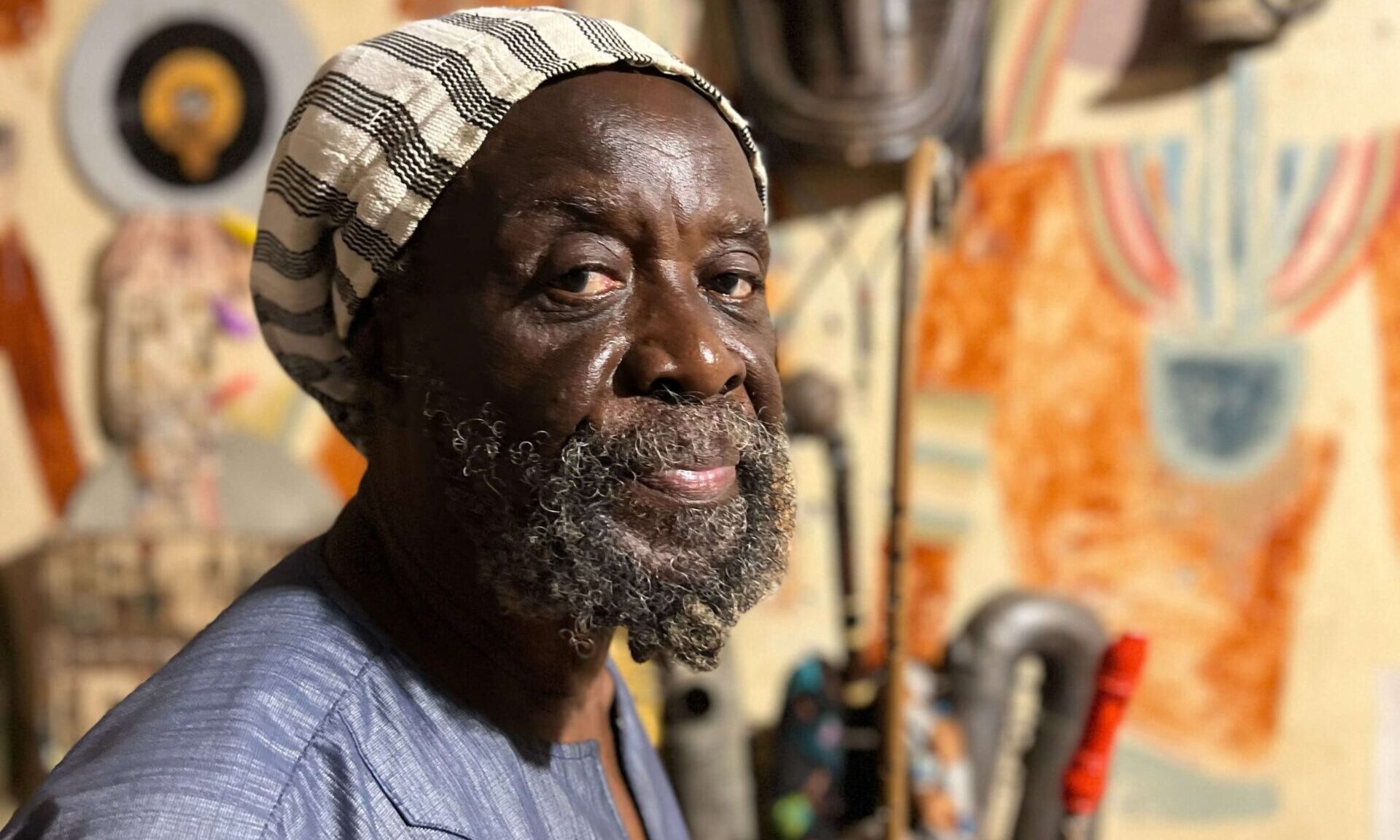
I spoke to the band's manager, Marcus Gora – who works for arts management and promotion company Ngoma neHosho in Harare, Zimbabwe – ahead of Mokoomba's performance at ACCES 2019.
JESS WHITE: Mokoomba has become one of the hottest African exports, both within the continent and outside? What have been some of the key strategies you have used to realise this?
MARCUS GORA: Mokoomba has been steadily growing in stature mostly as an entertaining live band and this has been achieved by creating music and a live act that can translate beyond borders and appeal to new diverse audiences. The next part has been to play as many concerts as possible on many different stages and in various countries. It is through live concerts that we have managed to spread our music, sell CDs and get reviews in critical media.
How has Mokoomba used music trade events to target specific tour regions? Which trade events have borne fruit for the band?
Our first trade event was Moshito in South Africa in 2012 and it was a good platform for us to learn how to work trade events. From that, we got invited to Africa Oye in Liverpool, UK, who were early supporters, and later that year we showcased at Womex in Thessaloniki, Greece, and that opened many doors in Europe. We also showcased at Visa For Music in Morocco, a gateway to North Africa and the Middle East, while our agents go every year to Womex, Jazz Ahead and also at times to other trade shows like Apap (US), Music Imbizo (South Africa), DOADOA (Uganda), ONGEA! (Kenya) and Music in Africa's ACCES to develop more connections and opportunities.
Aside from live performances, what are some of the key strategies you have used at trade events to success?
Attending various trade events as delegates and booking a stand or buying space in catalogues has helped us network and sell Mokoomba. We have also leveraged speaking opportunities at trade events as a way not only to share knowledge and experience but to also market our brand.
What are some of the other key strategies to Mokoomba's success other than trade events?
We have been fortunate to play at events and festivals that have gotten the band noticed. For example, we played live on Later... with Jools Holland in 2012 and many people were introduced to Mokoomba for the first time. Equally important are magazines, online resources, radio programmes and charts that do a great job profiling bands and reviewing albums, like Songlines Magazine, FRoots, Afropop Worldwide and the Transglobal World Music Chart to name a few.
How important is it having a strong global team? Who are some of the key partners in the success of Mokoomba?
It is very important to have a team that works for a band in order to multiply opportunities and accelerate progress. Mokoomba has been working with a German agency called Delicious Tunes, which is run by [ACCES 2019 delegate] Stefanie Schumann, and also a US agency called Alia Productions run by Alison Loerke. Together with Ngoma neHosho based in Zimbabwe, Mokoomba performs more than 60 concerts across the globe every year. Outhere Records based in Germany is the record label.
When do you think is the right time to showcase?
I think in general, music acts can showcase at any stage of their careers; it all depends on the project they are trying to sell or the territories they are aiming to penetrate. Young bands can benefit the most from a showcase only if they have a great product and manage to create a buzz and excitement as the 'next best thing'. Showcases are great places for discovery of new acts but also acts that have changed their direction or are coming back from a hiatus.
Why are some trade events more beneficial, than others?
Successful trade shows make a great effort to attract good quality participants and produce tangible outcomes like bookings for bands, new collaborative networks, learning and exchange opportunities, while some trade shows just consistently fail to deliver from basics like timekeeping and production to quality programming or participants.
How have you navigated the challenge of travel mobility and visas?
Travel is just expensive but visas are cumbersome and require expertise and attention. Our challenge is that we have to do long tours that cover different territories and we would need a number of visas without the possibility of coming back home to apply as is required. The solution for us is to plan everything well in advance and play by the rules, develop relationships with embassies that trust us and are aware of our music and reputation. That said, we have lost some concerts and opportunities regardless, because sometimes the visa processing times are too long for some countries or the requirements are difficult to meet.
What are some of the highlights of Mokoomba's career to date?
Some of the key highlights for Mokoomba have been; performing at the Apollo Theater in New York as part of the Africa Now concert series, Roskilde Festival (Denmark), Colors of Ostrava (Czech Republic), Sziget Festival (Hungary), Paleo Festival Nyon (Switzerland), New Orleans Jazz and Heritage Festival (USA, a live performance collaboration with Senegalese musician Baaba Maal at the Harare International Festival of the Arts, a live performance on Later... with Jools Holland (UK) and winning the Songlines Music Awards Best Newcomer in 2013.


Most popular

Top Naija songs of 2026
31 Mar 2026

Top Afrobeats songs of 2026
19 Mar 2026

Ghana: Mr Eazi and MOLIY’s ‘Comfort’ earns Urban Music Awards nomination
21 Oct 2026

Top amapiano songs of 2026
16 Feb 2026

Open call: CANEX Music Business Lab and Songwriting Camp
15 Oct 2026
Nigeria: CANEX WKND unveils 2026 programme
21 Oct 2026
Disclaimer: Music In Africa provides a platform for musicians and contributors to embed music and videos solely for promotional purposes. If any track or video embedded on this platform violates any copyrights please inform us immediately and we will take it down. Please read our Terms of Use for more.

Subscribe to our monthly Newsletter
Follow us on social media


Please log in to post a comment.