




















































By Joseph Mtingwi
Since Malawi became a multiparty democracy in 1994, media freedom has improved tremendously. Before then, journalists did not have the freedom to write what they liked, even with adequate facts, out of fear of state censorship or punishment. But today the government can even be criticized in the media, whether in print, on radio or even on television. Malawi’s constitution includes strong guarantees for the freedom of the press, although in practice several laws still restrict this freedom[i]. Today the media plays a very important role in Malawian music, with artists depending on the broadcast, print and online media for exposure. This text provides an overview of the media in Malawi, specifically as it relates to the local music industry.
Radio
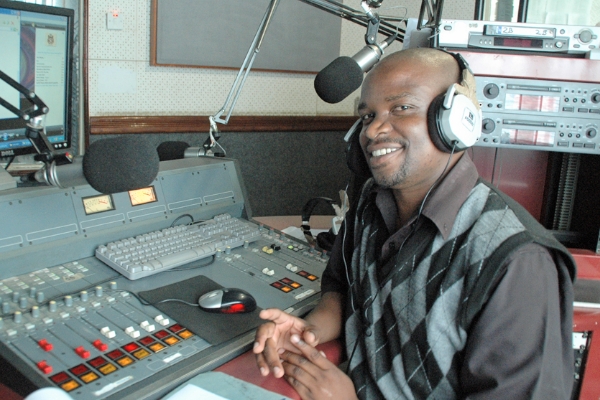
The Malawi Broadcasting Corporation’s MBC Radio 1 and 2[ii] are state-owned radio stations. Founded in 1964, Radio 1 was the first in Malawi. Radio 2 was established in 1997. The radio stations offer a variety of programmes, including ‘edutainment’ and entertainment. Numerous programmes focus mainly on music. On MBC Radio 1 there are programmes like ‘Zokonda Amayi’, where listeners can phone in and request a song, ‘Zimene Mwatipempha’ and ‘Your Choice’. There are also shows dedicated only to specific music genres, with names such as like ‘Afro Beats’, ‘Zokomera Tonse’, ‘Nyimbo Zammaboma’, ‘Midnight Groove’, ‘Malawi in Sounds’, ‘DJ Supermix’, ‘Morning Breeze’, ‘Malawi Music Panorama’, ‘Kuimba ku Malawi’, ‘Lunchtime Listening’, ‘Urban Zone’, ‘Hot26’, ‘Dancehall Express’, ‘World music’, ‘Nyimbo 40 Zapamwamba’, ‘Nice and Easy’, ‘Music Line’, ‘R&B music line’, ‘Easy Listening’, ‘Jazz Half Hour’ and ‘Old School Avenue’.
There is also a popular radio station that is well known for its dedication to music known as FM 101 Power[iii]. Some of its popular music shows include ‘Illest Vibes’, ‘101% hip-hop’, ‘Gowelo beats’, ‘Absolute 90s’, ‘Mellow moods’, ‘Malawi music’, ‘Reggae jamming’, ‘Revival + jazz’, ‘World of music’ and ‘Crush grooves’. Other popular radio stations in Malawi include Capital Radio Malawi[iv], a station that was launched on 29 March 1999 and plays a lot of music and is influential in the local music industry; Zodiak[v], one of the most popular radio stations due to it breaking news stories and musical programmes; Star FM[vi] and Joy FM[vii].
The print media also plays an important role in the music of Malawi by disseminating information such as where music shows will take place across the country (especially on weekends), news on what musicians are up to and sometimes a ‘heads up’ on upcoming artists who are about to release a single, album or video. The biggest and most popular newspaper is The Nation[viii], which was founded by Aleke Banda after the country’s 1993 referendum. Owned by Nation Publications Limited (NPL), it is a daily and on weekends publishes the Weekend Nation and Nation on Sunday. Through this paper, a lot of musicians and promoters advertise where their next shows will be. The paper also has an entertainment page that usually carries stories that focus on music in Malawi.
Another popular paper is The Daily Times, owned by Blantyre Newspapers limited (BNL)[ix]. It is also a daily, with weekend editions called Malawi News and the Sunday Times. The oldest newspaper in the country, it was founded as the monthly Central African Planter in 1895. In 1900 the title Central African Times was adapted and later changed to Nyasaland Times . With Malawi’s independence in 1964 it became The Times, then finally in 1972 The Daily Times. The paper plays a similar role in the music industry, with artists able to advertise music shows, album launches and video releases, for example, and it has pages dedicated to entertainment that are usually filled with music news.
Most artists in the country rely on this form of media, especially the two national dailies, because in this way they can keep the public updated on whatever they are doing as far as their music careers are concerned. Other less popular papers in the country are government-owned Boma Lathu which comes out once in three months and has less information on music. The same applies for NPL’s Fuko paper, which comes out monthly and is distributed for free in rural areas.
Television
The first television station in the country emerged from the state-owned Malawi Broadcasting Corporation (MBC)[x], which was established in 1997. It has a variety of musical programmes like ‘Hwoza Friday’, which offers club music for young people and information regarding where the big events are going to be over the weekend. ‘Dancehall Full Hundred’ is dedicated to dancehall music and offers both local and international dancehall music and news. ‘African Stars’ beams different types of music from Malawi and other parts of Africa, going beyond the normal entertainment package to also promote a sense of cultural pride. ‘Touching Base’ is aimed at the urban youth and promotes local urban talent. ‘Melody Hour’ and ‘Cross Rythms’ showcase choral and religious music from various groups in order to uplift and inspire. ‘Music Splash’ is another MBC TV show that features music from local artists.[xi]
Another TV channel is Times TV[xii], owned by the Times Group of companies. Officially launched in 2013, it is Malawi's first independent/private TV station with national coverage of news, sports and entertainment. It gives musicians a platform to showcase their talents with numerous music programmes on offer, including ‘Around Africa’, which focuses on urban music. Other pay-TV platforms include DStv[xiii], which is among the most popular in the country, GOtv[xiv] and Zuku TV[xv]. These platforms offer plenty of music on international channels such as Channel O[xvi], MTV[xvii], MTV Base[xviii] and many others.
Internet
As in the rest of the continent and the world, the online media is becoming an increasingly useful platform for musicians in Malawi because it is easy to access and they can use it from their phones, tablets or PCs. Malawian artists are now able to post their music online so that people can either download or just listen to their songs, bypassing the traditional system of having to releases physical copies of their albums.
One of the most popular platforms that artists in Malawi are using is Music From Malawi[xix] owned by popular local DJ Kenny Klips. On this website, artists are able to upload songs that they want to make available either for sale or for people to access for free. Other platforms such as Urban Malawi[xx] and M-Dubvibe[xxi] are mostly used by up-and-coming artists to post their songs so that people can listen to a sample of their music, particularly in urban genres.
There are also several pages that are dedicated to music news, like Nyasa Showbiz[xxii], while online newspapers such as the Malawi Voice[xxiii] also include music news and compete with the online versions of established print publications.
The above overview of radio, print, TV and online media in Malawi shows that Malawi’s musicians receive a relatively high degree of exposure and support in the mainstream media, and that music often plays a central role in Malawi’s media landscape.
[i] For more on media freedom in Malawi, go to http://www.refworld.org/docid/54182f1811.html
[xi] More details at http://www.starmediamw.com/mbc2000/index.php/tv/programmes
[xvi] channelo.dstv.com


Most popular

Top Naija songs of 2026
31 Mar 2026

Top Afrobeats songs of 2026
19 Mar 2026

Ghana: Mr Eazi and MOLIY’s ‘Comfort’ earns Urban Music Awards nomination
21 Oct 2026

Top amapiano songs of 2026
16 Feb 2026
Open call: CANEX Music Business Lab and Songwriting Camp
15 Oct 2026

Nigeria: CANEX WKND unveils 2026 programme
21 Oct 2026
Disclaimer: Music In Africa provides a platform for musicians and contributors to embed music and videos solely for promotional purposes. If any track or video embedded on this platform violates any copyrights please inform us immediately and we will take it down. Please read our Terms of Use for more.

Subscribe to our monthly Newsletter
Follow us on social media


Please log in to post a comment.