



















































With audiences, increasingly using digital platforms to discover and buy music, digital marketing is fast becoming the lifeline for the music industry. Social media is not only a marketing tool but a potential revenue generator.
“Digital is the future and the future is here, so any brand that is not making an impact online will fail miserably. Every brand needs to develop their own unique identity that makes them stand out; copy-pasting ideas from other successful brands is not the way to go,” Corporate Brand Design Consultant, Gregory Juma-Wandera, tells Music in Africa.
“Music is not a need, it’s a luxury so branding is important; Identify your target audience and fashion your brand around them.”
An initial step is developing a brand identity that distinguishes an act from the sea of performers in the industry. This brand persona is also a tool of trade because it is what companies evaluate when determining which artists to pick for an endorsement. Once a brand’s character is identified, consistency is required to embed it into the psyche of fans. Though content for digital distribution needs to be creative and catchy, it needs to fit within the overall brand identity. Sending conflicting messages only serves to confuse the fan base and discourages potential co-operate sponsors. Continuous brand development strategies need to be employed to ensure that every post on social media not only grows the fan base but increases brand equity.
“A lot of African artists lack consistency in their brand outlook; they keep changing with the trends and that dilutes their brand identity. Artists need to think of themselves more as brands and not just as performers. This means investing in quality content and engaging branding professionals to grow their brand,” Wandera says.
“Unfortunately, many take shortcuts and it really hinders their ability to score big endorsements deals. Cooperates take their brands very seriously so they will not associate themselves with performers who don’t.”
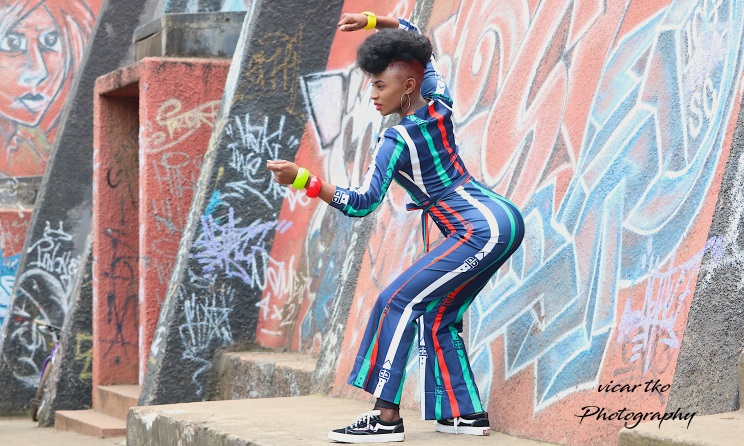
Bombarded with endless adverts and marketing material, the digital audience is typically weary of direct selling. Spamming social media with song releases, concert dates or song download information can be counterproductive. A conversational approach to content helps in gaining and maintaining engagement with the audience. Tapping into a trending topic, giving one’s opinion or lending support to a movement are ways of interacting with the audience. People need to feel that the band or artists actually cares about them and is in touch with their world. Although the ultimate goal is to sell tickets or increase downloads, subliminal messaging is the way to go. Conversations around the theme or production process of the song are more engaging than a cold attempt to sell. Jumping onto an audience reaction can also be a very successful strategy in propagating one’s music. Michael Dapaah’s parody ‘man’s not hot’ made him an overnight sensation when his clip went viral. The British actor and comedian took on the Big shaq persona and made it into a global icon. Kenyan band, Sauti sol also used this strategy to good effect after the release of their of their collabo with Nyashinki, Short and sweet. Noticing that the public took a liking to their lead dancer, Aggie The Dance Queen, they quickly made her the poster-child for the song’s promotions. Despite featuring, two of the most notable music brands in Kenyan it was the dancer that made it a hit; she went on to do most of the media tours and was central in pushing the song to popularity.
“The public will take in what you give them, so create a public identity that you want people to consume and keep your private life to yourself. Artists sometimes put out way too much information, most of which is not true, and it always gets them in trouble. Scandals will make you famous but they may not always work in your favor. They keep you relevant and visible, but the minute you make a mistake people will crucify you,” Digital Strategist, Njeri Muthaka says.
With global TV viewership, declining emphasis is now being placed on influencer marketing. In 2015 Bloomberg reported that for the first time, the number of hrs spent viewing an app surpassed those of TV, standing at 198 hrs a day. https://www.bloomberg.com/news/videos/2015-09-11/time-spent-on-mobile-apps-surpasses-television-viewing. According to a Mediakix projections, ad spent on social media influencers is expected to hit $10b by 2020 http://mediakix.com/wp-content/uploads/2015/12/Influencer-marketing-industry-global-spend1.png. Companies that engage influencer marketers are placing more value on the amount of influence one has on his followers rather than mere numbers. As such when growing social media platforms, a keen interest needs be placed on metrics that denote actual engagement. This include comments, retweets, shares, and other indicators that points to active participation of followers. Ability to convert following into actual sales is another key definition of success. Metrics like purchases, subscriptions numbers, content downloads, requests for information and phone calls are key signals of influence. When carrying out campaigns it is important to grow and continuously document indicators that demonstrate actual influence to a potential client. Influence over followers will also increase an artist’s booking fee, because promoters will place more value on performers who actually drive ticket sales.
“Social media has become a basic necessity for an artist’s survival, so they really need professional help. On their own they can be toxic, but a pr and branding agency will know how to build a solid brand. People respond to emotions so give your heart, be true to yourself because you must live up to the hype you create and most importantly be loyal to your fans, give them content consistently,” Muthaka says.
https://www.youtube.com/watch?v=BOUbJHu1WT4


Most popular

Top Naija songs of 2026
31 Mar 2026

Top Afrobeats songs of 2026
19 Mar 2026

Top amapiano songs of 2026
16 Feb 2026
Open call: CANEX Music Business Lab and Songwriting Camp
15 Oct 2026
Ghana: Mr Eazi and MOLIY’s ‘Comfort’ earns Urban Music Awards nomination
21 Oct 2026
Nigeria: CANEX WKND unveils 2026 programme
21 Oct 2026
Disclaimer: Music In Africa provides a platform for musicians and contributors to embed music and videos solely for promotional purposes. If any track or video embedded on this platform violates any copyrights please inform us immediately and we will take it down. Please read our Terms of Use for more.

Subscribe to our monthly Newsletter
Follow us on social media


Please log in to post a comment.