



















































Music videos, tech and content creation: Africa and the diaspora’s key success ingredients

07 Jul 2022 - 09:46


By Katherine McVicker
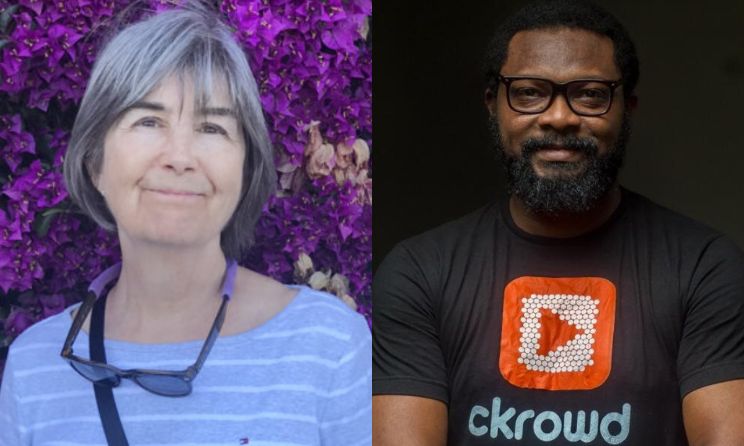
In my capacity as director of Music Works International, I have developed extensive experience in working with jazz, world music and roots/Americana music. I have booked several African artists across the US and in Europe, including Ladysmith Black Mambazo, Lionel Loueke, Angélique Kidjo and Mahlathini and the Mahotella Queens.
I started working in Africa in 2000 when I signed Richard Bona for representation. Over the past 22 years, one of the major challenges of working in Africa has been trying to link events together to create tours. In particular, some of the challenges specific to the continent have been transportation, finances, infrastructure, logistics and communication.
I came to believe the issue was not to simply book more shows or get bigger fees, it was to create a longstanding infrastructure that could open the door for greater cooperation among professionals across the continent. The way to work in Africa requires a fundamental change of mindset, not one based solely on money or personal connections.
In 2019, Walter Wanyanya and I established a non-profit cultural arts network across Africa called Cultural Connections Africa (CCA). The main objective of the CCA is to connect promoters, educators and cultural stakeholders to each other to share resources, experience and information about their activities to invite collaboration and cooperation. The mission of CCA is to provide professional development and mentorship, to develop educational initiatives, to help support economic development through culture and create cultural exchange among African creators. CCA also strives to connect with the diaspora outside of the continent and to create strategic exchanges with other parts of the world – Asia, Latin America, Europe and the US. These collaborations connect those away from their native lands to each other and promote unity and peace between nations through the arts.
Through the CCA, I met Kayode Adebayo, CEO of Ckrowd, Africa’s most preferred, innovative and premium content streaming platform. Ckrowd (pronounced ‘crowd’) distributes African content in information, music, education and entertainment to a global audience in short video and live-stream format. Ckrowd was created to solve the problem of poor revenue for African and Afro-diaspora content creators by allowing them to profit from revenue opportunities available on the platform. Ckrowd also provides an online portal where original, exclusive varieties of African content are well organised, can be accessed with ease and are consumed as on-demand short videos and live series.
With accessible information and culture from curated videos in the digital space, people are able to bring their cultural identity, traditions and values wherever they go, ushering in a new era of content creation and marketing. Video is unquestionably one of the best-performing forms of content that creators can leverage to highlight their craft. Therefore, musical artists invest a lot of money in creating breathtaking music videos that give unique visual expressions to their music. This makes music videos a very important marketing tool for music across most media forms, especially digital media.
Music videos are now an integral part of the music marketing process, as it visually gives the music a fresh perspective and gets strong engagement from digital video consumers from across different demographics globally. Over the years, platforms like YouTube have been useful in distributing music videos as a unique digital music experience and have had to tweak their algorithms to allow more streaming capacity among their users. This was due to the popularity of videos as a means of having an enjoyable mobile music experience, especially as digital consumption of music grew in popularity in the past 10-12 years.
Music video production has required more budget spend over the years, too, even more than the cost of creating the actual music. This creates the need to consider a separate and unique model of business in approaching videos, thereby considering the cost and the return on investment for music video investment more seriously. The business of creating the audio version of music should be approached separately from the music video production, despite both being considered as one entity.
For instance, a Mafikizolo song (audio) should be created and exploited separately from a music video of the same song, from different means. Both should have different business strategies and be exploited through separate means. Both are perfectly capable of generating fantastic revenue as separate products (song, then video). A platform like Ckrowd is perfectly suited to support exclusive video publishing, distribution and monetisation for music creators, as they release their music videos first to their exclusive super-fan audience, before anyone on the internet. For this paid VIP viewing, well before the general release to the free consumer internet audience, the creators are rewarded in cash payments by their super fans for granting them access to an exclusive viewers club on the Ckrowd platform.
Ckrowd gives better monetisation options to African creators, as they have the liberty to determine pricing for their content and choose from a variety of revenue strategies available on the Ckrowd platform. Revenue strategies include pay-per-view, donations, content renting and subscription. This means that you do not need millions of followers to make a business off your video content, which I think is brilliant. All you need is a good number of super fans that are willing to be part of your musical journey or brand. For most of the earlier mentioned streaming services, the metrics and requirements to qualify for monetisation are onerous and offer low payouts. Payouts on these platforms are usually predetermined by content viewing numbers, sum total of the content catalogue and many factors that are unrealistic to an average internet user from Africa, where the cost of being on the internet or using it is still one of the highest in the world.
Ckrowd pays out 70% of the profits as the creator’s income, which is the highest payout to African creators on all streaming platforms. Several platforms offer streaming services for video content placement such as YouTube, Netflix, and Showmax, among others, but the question that still lingers is, how much do video creators really make from these service providers?
The issue of monetisation and revenue generation especially for the African creator is still one of great concern. Making any revenue from some of these platforms empties creators financially, emotionally and psychologically.
In many ways, technology platforms are an important medium for projecting contemporary pop culture, and they can further amplify this by creating hypervisibility across different regions and digital markets. For this reason, stakeholders across the music, film and technology industries, such as Ckrowd, must continue to be at the forefront of technology and media. This is to ensure that youths in Africa and the diaspora can truly explore their culture and creativity. They need to have the right technology space to share their talents with the world, especially one that protects their interests and is keen on rewarding them for all their efforts. These technology spaces like Ckrowd and the different content creating and publishing activities on them would continue to provide unique job opportunities for the young creative minds on the African continent.
Katherine McVicker is the founder and director of Music Works International and CCA.


Most popular

Top Naija songs of 2026
31 Mar 2026

Top Afrobeats songs of 2026
19 Mar 2026

Ghana: Mr Eazi and MOLIY’s ‘Comfort’ earns Urban Music Awards nomination
21 Oct 2026

Top amapiano songs of 2026
16 Feb 2026
Open call: CANEX Music Business Lab and Songwriting Camp
15 Oct 2026
Nigeria: CANEX WKND unveils 2026 programme
21 Oct 2026
Disclaimer: Music In Africa provides a platform for musicians and contributors to embed music and videos solely for promotional purposes. If any track or video embedded on this platform violates any copyrights please inform us immediately and we will take it down. Please read our Terms of Use for more.

Subscribe to our monthly Newsletter
Follow us on social media


Please log in to post a comment.