




























































Music Week Africa x-rays challenges of the Nigerian music industry
12 Dec 2016 - 08:58


The first edition of Music Week Africa was held at the Nigerian Stock Exchange, Lagos, on 8 December 2016. The theme of the conference was "The Role of Music Industry in Revitalising the Economy: Jobs, Money and Opportunities."
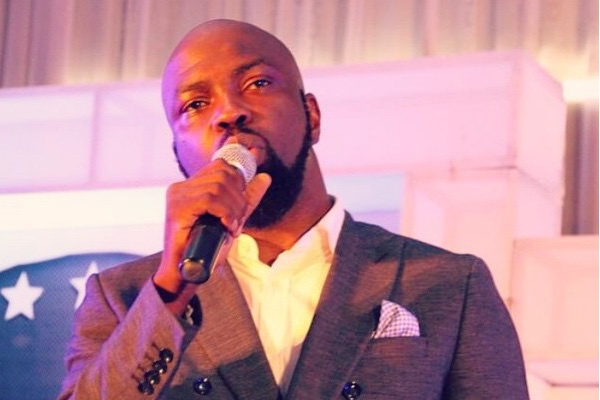
In his opening address, Audu Maikori, the founder of MWA, said, “The new oil is in the creative industries.” This was in reference to the potential for the creative industries to drive flagging economies like Nigeria. This became the primary tone of the conference as many of the speakers spoke to the potential in the music industry.
One of the key drivers of conversation at the conference was a music industry report by PricewaterhouseCoopers that estimated consumer spending on music in Nigeria at $51 million, which the BBG group, in a presentation at the conference on music and brands said was probably better estimated at $240 million by factoring revenue from Caller Ring Back Tunes (CRBTs), music portals and video portals.
It was against this back drop of a potentially virile industry in the middle of a recession that the conference looked at the opportunities in music licensing and publishing, the relationship between music and brands, and creating better events in the present economic realities.
Show me the money
In a presentation on Music Licensing, Chinedu Chukwuji, CEO of the Copyright Society of Nigeria (COSON), detailed the challenges faced by the body in ensuring music creators get the money their efforts deserve. In a frank opening questioning whether hosts of the event, the Nigerian Stock Exchange, have license for music played in their lobbies, Chukwuji said, “Government and some regulatory agencies are some of the biggest infringers of copyrights.”
He went on to explain the details of copyright act, offering an exposition on the “basket of rights” as it relates to musical works and sound recording. He spoke of music as more than a natural asset, but as property, a sentiment that was reechoed during a panel on opportunities in music licensing and publishing industries that was moderated by Ibukun Abidoye, the General Manager of 5ive Music, and had Toyosi Alabi, a Partner at Olaniwun Ajayi LP, Sandra Oyewoke, Partner at Olajide Oyewole LLP, Michael Ugwu, General Manager, Sony Music West Africa, Dayo Adeyelure of Etisalat, Sam Oyemelukwe, the Head of Anglophone Africa, Trace TV, and Chinedu Chukwuji, the CEO of COSON.
Emphasis was laid, during the panel, on how any artists in Nigeria do not know what their rights are under the law, and how even when they know cannot afford legal fees. But chief among the concerns was how, for many artists, the choice is between protecting their music or having it out via pirates as promotion. Sam Oyemelukwe even spoke of how some of them are ready to pay for air play, a practice that Trace TV is not interested in, rather insisting on playing music on the merit of their songs.
A lot of credit was given to the efforts of telecommunication companies and how they’ve made the payment of royalties possible to some artists via the CRBTs, but the process of ensuring all the persons involved in the creation of the music work are duly rewarded was still said to be less than desirable. This and many other things prompted the panelists to agree that all the parties involved in the revenue value chain in the industry have to collaborate to find ways to solve the lingering bottle necks to getting creatives the money they are due.
Relationship between music and brands is here to stay
In a presentation by the BBG Media Group, read on their behalf by Raoul Sawhney, the Technology and Finance director of Music Week Africa, the prevailing ideas about music and brands and the future of both as the industry matures was shown. The need for brands to use music for beyond just ambassadorships and to find the right fit was emphasised and illustrated with prevailing examples in the industry.
The panel on music and brands was moderated by Toni Kan, head of corporate communications Ntel. On the panel was D'Banj, Obi Asika, Founder of Cabal Entertainment; Kelvin Orifa, Segment Manager, MTN; Steve Babaeko, CEO X3M Ideas; Craig Van Niekerk, Managing Director, Pernod Ricard Nigeria; and Munachiso Ejiofor, Client Services director at BrandFootprints Nigeria.
It was recognized by all on the panel that the relationship between music and brands was one that was inevitable, due to the nature of music and it’s ability to elicit emotions, and brands seek, according to Steve Babaeko, “The emotional connection that you generate with music.” The loyalty that artists can get from their fans is something brands seek and try to tap into.
But the persistent leaning on brand ambassadorships was also pointed out, a trend, which all the participants on the panel pointed out, Steve Babaeko outrightly saying “we’ve sort of abused brand ambassadorship” and Craig Van Niekerk calling it an “overcrowded and complex space.”
Attitudes to the relationships are however changing, with D'Banj giving an example of how his work with a brand in Nigeria involved a relationship and results than would not have happened if they just approached him with a brand ambassadorship. “It would be better if we partner,” he said.
Distribution is the biggest issue of the music industry
Orifa spoke of the need for better collection of data, as the industry in Nigeria was too organic, without any artist proactively choosing how to get their work to the market and tracking its performance therein. Obi Asika also pointed out that “the biggest issue holding back the Nigerian creative industries is distribution.” Thoughts on how artists can leverage on the existing distribution channels of industries like the telecoms industry were also discussed.
In the end, the panelists looked forward to the future with a lot of optimism, maximizing opportunities for expansion. “I think in five years," said Dbanj, "the Nigerian music industry will be compared to Hollywood.”


Most popular

Top Naija songs of 2026
31 Mar 2026

Top Afrobeats songs of 2026
19 Mar 2026

Top amapiano songs of 2026
16 Feb 2026

Open call: CANEX Music Business Lab and Songwriting Camp
15 Oct 2026

Ghana: Mr Eazi and MOLIY’s ‘Comfort’ earns Urban Music Awards nomination
21 Oct 2026
Nigeria: CANEX WKND unveils 2026 programme
21 Oct 2026
Disclaimer: Music In Africa provides a platform for musicians and contributors to embed music and videos solely for promotional purposes. If any track or video embedded on this platform violates any copyrights please inform us immediately and we will take it down. Please read our Terms of Use for more.

Subscribe to our monthly Newsletter
Follow us on social media


Please log in to post a comment.