




























NEFCISA
NEFCISA

The Music In Africa Foundation (MIAF) is proud of its partnership with the Industrial Development Corporation (IDC) as a Strategic Implementing Partner (SIP) for its Social Employment Fund (SEF). Through this collaboration, MIAF is running a national programme that is creating jobs, addressing skills gaps, and strengthening South Africa's creative industries — in line with the SEF's overarching goal to generate work for the common good and build community value through employment, social contribution, and inclusive economic participation. Operating under the banner NEFCISA (National Employment Facility for Creative Industries in South Africa), the initiative is recruiting and training participants, matching them with host organisations, and has already placed 1 500 workers across the country — surpassing its original target of 1 000. NEFCISA is delivered through a network of 20 host organisations spanning five provinces, who are actively hosting participants and contributing to work for the common good across South Africa's creative and cultural industries. Key Objectives: Support employment and entrepreneurship in the creative industries. Offer skills development and training programmes. Foster partnerships between public and private creative sectors. Promote South African creativity at both provincial and national levels Foster community development through social contribution.

ACCES
ACCES

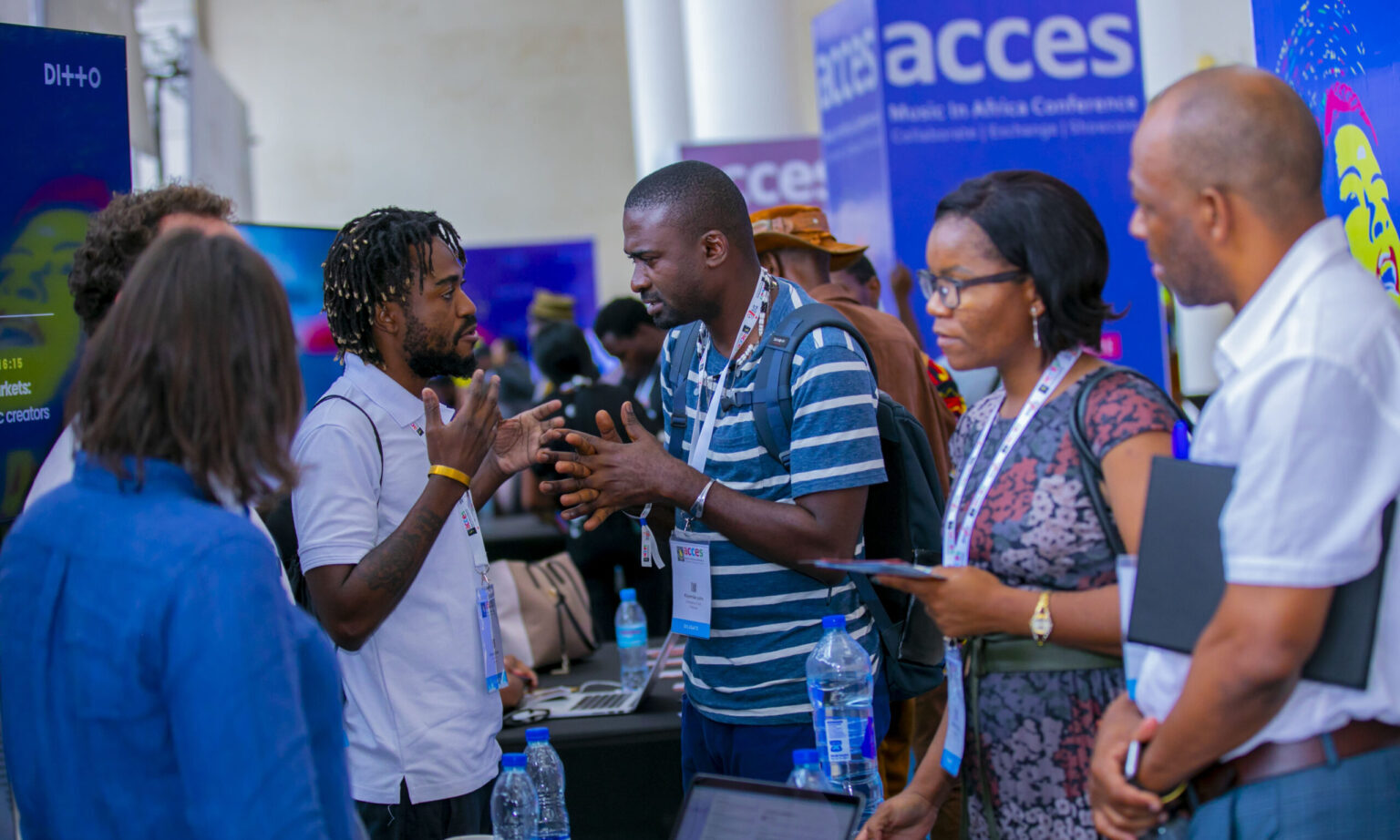
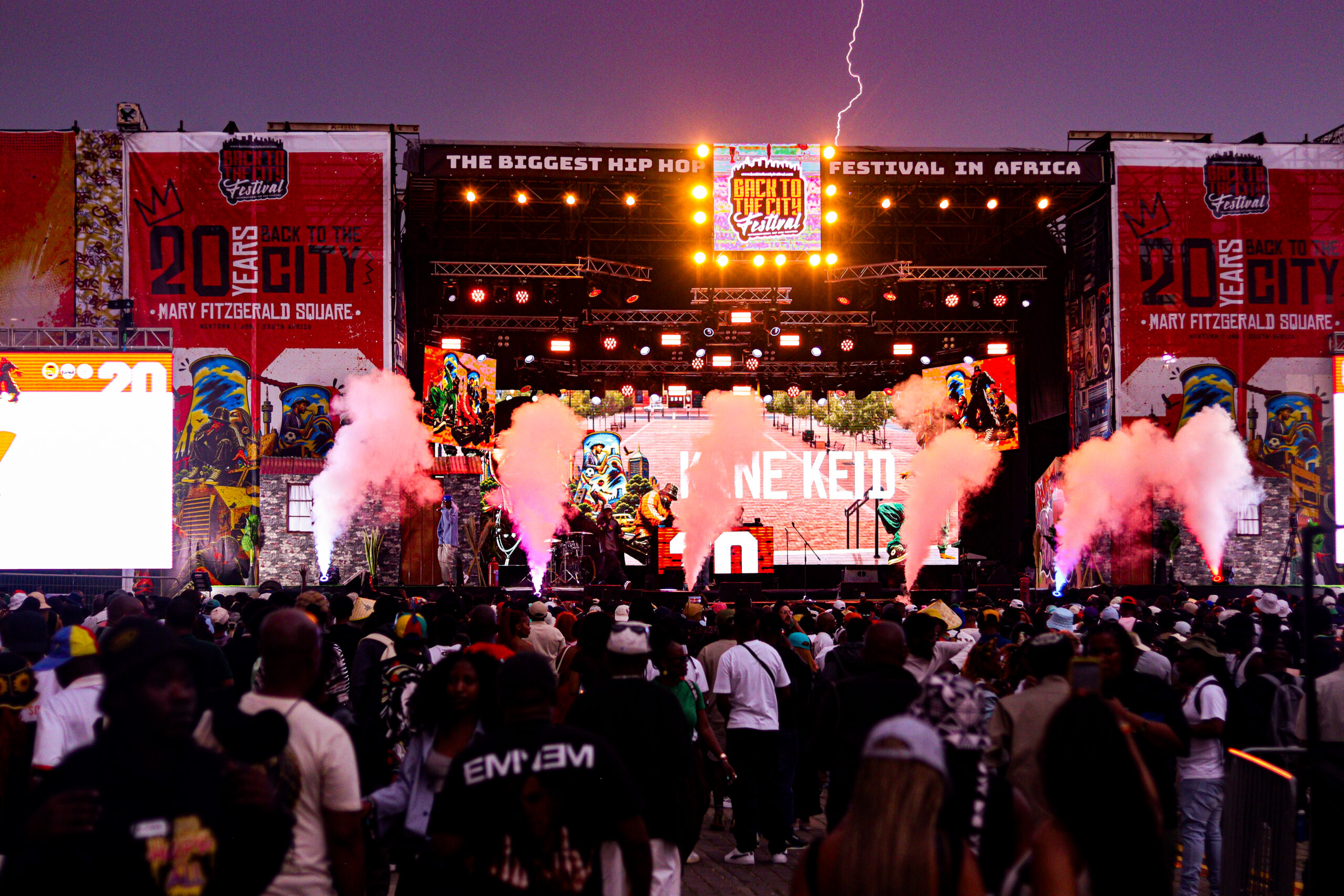
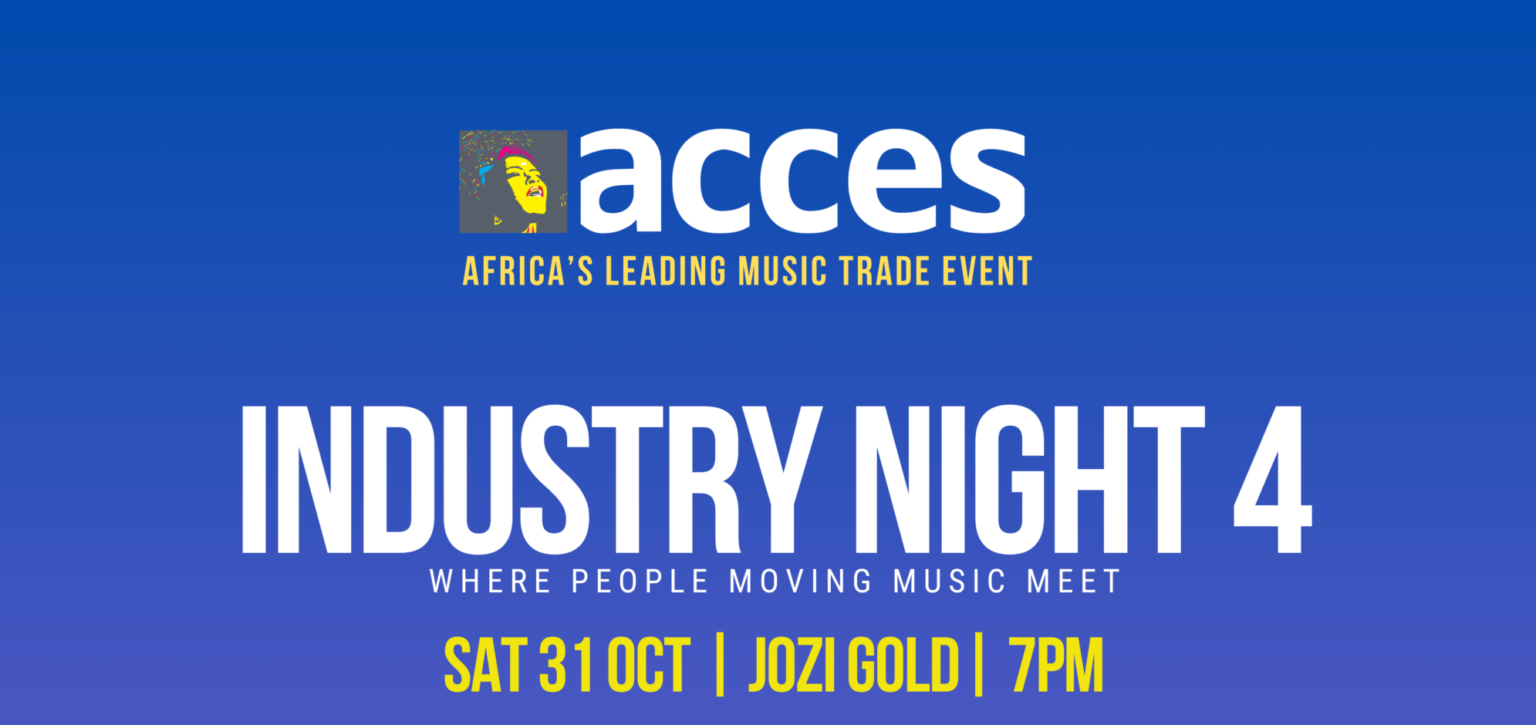
ACCES Conference and Showcase Festival is Africa's leading music industry gathering, bringing together the people shaping the future of the continent's music business. Artists, entrepreneurs, executives, investors, policymakers and cultural leaders from across Africa and around the world come to ACCES to build partnerships, exchange ideas, discover talent and create new business opportunities. Since its launch in 2017, ACCES has become the continent's premier platform for professional exchange and music market development. Combining a high-level conference with a curated showcase festival, networking, exhibitions and industry programmes, ACCES offers a unique space where creativity meets business and where African music connects with the global industry.

Gender@Work
Gender@Work

Music In Africa Gender @ Work is a three-year training programme aimed at upskilling and increasing the participation of female professionals in the African music sector. Launched by the Music In Africa Foundation (MIAF) in April 2019, the programme is connected to the MIAF’s ACCES music conference – a pan-African event held in a different African country every year. This connection enables the programme to reach new participants in a different African country every year. The programme marks the beginning of a more concerted effort by the Foundation to support the participation and inclusion of women in all facets of its programmes and the music sector in Africa as a whole. Over the three years, the programme will aim to address gender imbalances in the sector through training, lobbying, facilitating knowledge exchange and dialogues that foster the interest of women. The broader objectives of the programme are to: Provide industry training for women on critical music industry skills, focusing on: Stage management Electronic music production and recording Music business management Technical knowledge Provide an opportunity for both professional and aspiring women to benefit from the Music In Africa network and its broad range of activities in 2019, 2020 and 2021. Provide a solution-based platform in the form of a round table at ACCES with a view to identify challenges, discuss opportunities and lobby for the interests of female practitioners. Offer participants the opportunity to benefit from programmes offered by MIAF’s partners. Increase access to educational materials. Integrate participants in the broader ACCES programme to maximise experience and exposure to the industry. Record and present training materials on the www.musicinafrica.net, including but not limited to tutorials, templates and other best-practice materials. Communicate women-based themes that support the initiatives and messages of the programme. MAIN TRAINING ACTIVITIES Training in first country (Ghana): In the first year, participants will be trained on all aspects of stage management by a team of experienced stage managers from 10 to 17 November 2019. The programme will offer robust classroom training as well as practical, hands-on training in which participants will also be given the opportunity to manage various aspects of the ACCES performance programme. Training in second country: The second training iteration will take place at ACCES 2020 when the programme will diversify its course to include music production lessons and training on other music business topics. A round-table platform will also be introduced to coincide with the ACCES programme. Training in third country: The third training iteration will take place at ACCES 2021 in a different country, offering an advanced course. HOW DO YOU GET INVOLVED?  As a participant, facilitator or trainer: The programme enrolls up to 12 trainees every year. All opportunities are advertised publicly on this website, and will be added to this page. Please keep checking this page for new calls (below under UPDATES & CURRENT OPPORTUNITIES). As a partner Please contact Claire Metais at [email protected]. APPLY The call for applications for 2020 will be announced soon. The Music In Africa Gender @ Work programme is made possible with the support of the Prince Claus Fund, Siemens Stiftung and Goethe-Institut.

Sound Connects Fund
Sound Connects Fund

For cultural and creative practitioners and organisations operating in southern Africa, access to funding remains a major challenge. The COVID-19 pandemic has also had a massive impact on government policy, spending and the economy in general, and has seen spending on culture being moved further down the list of priorities. Further, the cultural and creative industries repeatedly cite four main areas where investment is needed for growth, which are increased visibility, mobility including access to new markets, finance and support structures.

Instrument Building And Repair Project

Experience the Vibrations African Instruments Exhibition online in 3D

Features

Opinion: Is there place for women among Zim’s Big Five musicians?
12 Oct 2016 - 10:47

cc-img flag-img

“If only I knew the things I know now.” This statement is almost a cliché now. I have heard many arts practitioners say it, well, including me. Often, we traverse the same path, perhaps putting on different shoes and expecting to reach a new destination. On many occasions, I have heard female musicians complain that the playing field is not level. Some even go the extent of suggesting there is no ground at all for them, there are just mere pebbles floating. Over the years we, as a society, have managed to objectify female artists in ways that my pen cannot describe.
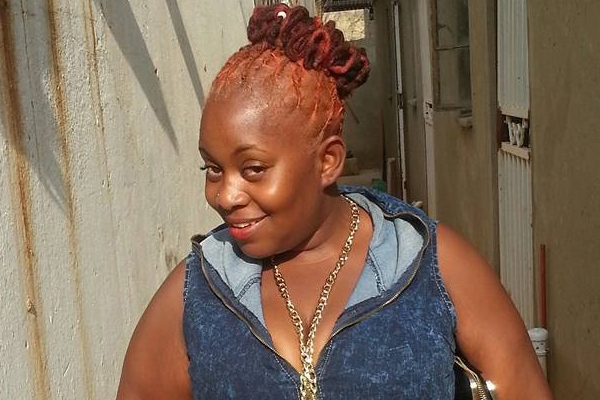
Pamela Zulu, popularly known as Gonyeti. Photo: Nehanda Radiozim

A few days ago, I read with dismay an article which suggested that the group of Big Five musicians in Zimbabwe had vacancies. Before the pronounced vacancies we had Tuku, Macheso, Winky D, Sulumani Chimbetu and Jah Prayzah making the elite five. This is a list of highly talented artists, they deserve the fortune and glory they bask in. And, of course, the scrutiny that comes with occupying such a place in a highly opinionated society such as Zimbabwe. Gary Tight, Andy Muridzo and Sam Dondo were the suggested new entrants into the Big Five. Believe me, if our economy was stable, these three represent not just the future but the present and beyond the future. It’s unfortunate that real bucks are only made by the Big Five. They get all the big deals, fanaticised protection, heavy media presence and everything beautiful.

But there is something inherently wrong with that list: Where are the ladies? Are Zimbabwe’s female musicians so pathetic that they cannot even make numbers on the substitute bench? I don’t think so! I think that Fungisai Zvakavapano for instance has been consistent, churning out hit after hit. I understand that to make it in Zimbabwe you have to release hits. Hasn’t Fungisai done that from Day One? She has her own share of controversy, which I think was calculated to capture the limelight, but it all failed because of a reason we all know – she is a woman.

She tried performing in a pub and was persecuted. The moral police thought her place was the pulpit. Still, they followed her and called her a gangster in Christ, after her working together with Killa T. I guess the continued onslaught is what led her to making The Fungisai Pose, which is some sort of corrupted genuflection, typical of varoora. She is still making hits that have changed the Zim dancehall soundscape. Of course, we won’t give her credit but we all know ‘Vanondibatirana’ was beautifully sung, with a catchy melody and everyday lyrics that resonate with every soul. It’s just that she is a woman!

I also think Diana Samkange’s Kwayedza is one of the top albums of 2016. At one time I was tempted to do a comparative analysis of her album with Jah Prayza’s Mudhara Vachauya. These two albums were released on the same day, by the same producers and some songs are actually similar. ‘Mationesa’, for instance, takes the traditional Jah Prayzah style, which in the Zimbabwean music corridors is called chiTsviriyo. I wanted to write about how Diana sings across different Zimbabwean traditional music styles and how Jah Prayzah has done the same, while at the same time crossing over to Afro beats. But, before I could do so, there was news that Jah Prayzah had sexually abused Gonyeti, his former bandmate.

Many did not believe Gonyeti. A lot was said, particularly on social media. One question which recurred was: “Why didn’t she report the case earlier?” “She is a sore loser,” some opined. In the midst of all the harsh words thrown at Gonyeti, I read veteran filmmaker Marian Kunonga’s view in one of the numerous threads I followed. In her lonely comment, buried by many insulting Gonyeti, she retorted that what had happened to Gonyeti is still happening to many women, not just in music, but in the arts industry as a whole. It’s unfortunate that they don’t speak out.

Now that Gonyeti has gathered the courage to speak out, what do we do? She becomes the proverbial sacrifice. We have conjured up all sorts of theories which point to the fact that she invited whatever befell her, whether imagined or real. By extension we have pushed the narrative that female musicians are of loose morals.

It certainly no longer surprises me not to find women among the Big Five, for I know we have made them lesser humans. However, we cannot continue to normalise that. We, or at least I, need role models for my daughter. I don’t want her to look far afield when she thinks of how a successful female musician should look. Women are abused left, right and centre and back and forth, and it’s paining. I will be happy to see even one female band making it into the Big Five. One who will defend and stand for other women. We should not allow the arts to be a thankless and abusive industry for anyone. Perhaps industry is the wrong word. This vocation is just slavery to my sisters.

Please log in to post a comment.

Most popular

Disclaimer: Music In Africa provides a platform for musicians and contributors to embed music and videos solely for promotional purposes. If any track or video embedded on this platform violates any copyrights please inform us immediately and we will take it down. Please read our Terms of Use for more.

newsletter banner

Subscribe to our monthly Newsletter

Follow us on social media