














































Opportunities for musicians in The Gambia
09 Sep 2015 - 11:14


By Sheriff Janko
Music is an integral component of any nation’s culture. Musicians all over the globe, apart from just popularity, also enjoy some form of economic benefits that come along with it – depending on how successfully that can take advantage of the available opportunities. The Gambia’s booming music industry began in the late 1960s and 70s with formidable bands that rocked the world, most notably The Super Eagles and Guelewar. Since then, musicians from this tiny West African nation continue to attract global audience due to their distinctive music styles. From traditional music to modern genres, Gambian musicians continue to contribute significantly in the promotion of the country’s culture. This text provides an overview some of the opportunities available to ensure a sustainable professional career in the Gambian music industry.
Government support
The Gambia’s developing music scene has in the past decade witnessed great transformation thanks to the enactment of a new copyright law. The Gambia Copyright Act of 2004 replaced the British colonial copyright laws of 1915, which covered only printed materials. The act also provides for the creation of an autonomous body called The Gambia Collecting Society, which will collect royalties for artists whose works are used by radio stations, clubs, hotels, forums, etc. The Gambia Collecting Society was inaugurated in May 2013, giving musicians in the country a new lease of life.
The Gambian government, through the Ministry of Tourism and Culture, has set up the National Centre for Arts and Culture (NCAC)[i], a semi-autonomous institution established by an Act of Parliament in 1989 to promote and develop Gambian culture. It oversees the performing and fine arts, cultural sites, monuments and museums. The centre has created an enabling environment to encourage innovation and creativity among talented artists in their quest for international stardom. It has helped the scene to discover young artists to showcase their hidden talents. Some of their songs are not only used to entertain but to educate and keep the public informed about current issues. On a number of occasions the president of the Republic, Yahya Jammeh, has extended a helping hand to young rising musicians, including Singateh, Jalex, Egalitarian, Oumie Ngum, Samba Bah and the list continues.
Studios and labels
Among the majors transformation in the country’s music industry over recent years has been the establishment of new recording studios, which have boosted both the quality and quantity of musical outputs. Labels and studios such as Yellow Gates Studios, Studio River Gambia, Shy Boy, A 9 Success to Block Entertainment Studios and Black Forest Live Music Production, among others, have emerged to contribute to the development of the country’s music scene[ii].
Some of the county’s current hits were crafted at these new studios, which have helped a number of local artists by signing them to their labels and taking responsibility for their careers, from production to promotion. The opportunities that these new independent labels have created for Gambian musicians are enormous, even though there are some challenges and loopholes along the way, such as financial constraints to record their music and piracy, among others. But what is important to note is that even established musicians in developed countries are facing similar challenges.
Live performances
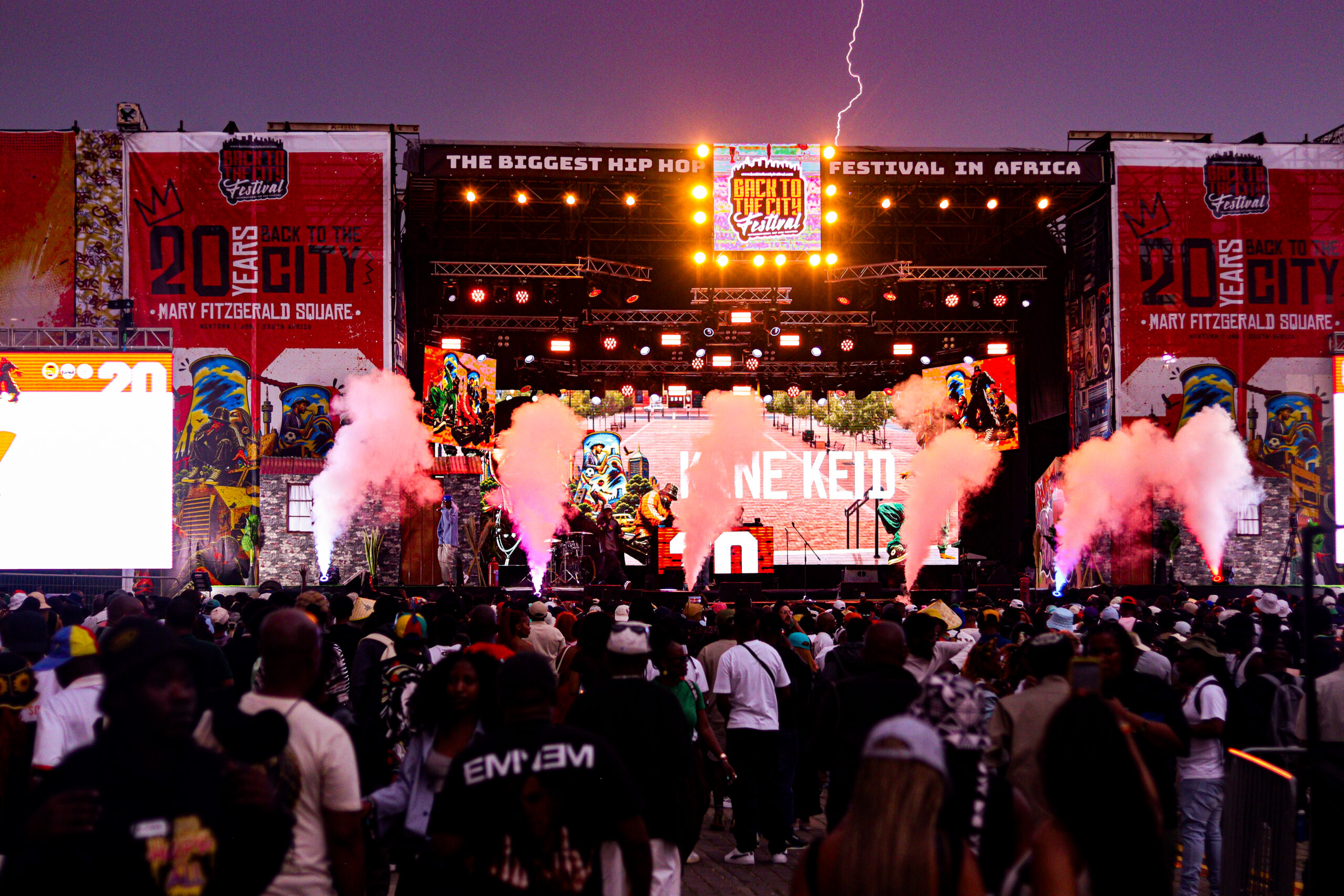
Participation in large music festivals both at home and elsewhere in West Africa has also enabled opportunities and boosted the confidence and careers of some artists. One of the biggest music festivals organised in the country is the Open Mic Festival[iii]. This annual showpiece continues to provide the biggest live platform for Gambian artists. It has no doubt impacted on urban Gambian music over the past five years, serving as the blueprint for other local concerts and promoters. It also provides aspiring musicians with the opportunity to build their careers and make a living by pursuing their passion for music. Another major festival is the International Roots Festival[iv], which is organized by the Ministry of Tourism and Culture. The Briks-tone Fiesta[v] every year attracts Africans from the diaspora, including artists, and serves as a connecting point for Africans and African descendants throughout the world as well as a forum for Pan-Africanism and to reflect on the horrors of slavery and colonialism. The festival, which celebrated its sixth anniversary in March 2015, attracts a number of artists from the UK and Jamaica as well as local artists.
Corporate sponsorship & NGO support
In recent years, mobile companies like Africell[vi], Gamcel[vii] and Comium[viii] have supported a number of local artists, especially for their album launches. Musicians like Marion and the Gamcel Chartbuster team (comprising more than 10 artists, including Magnificent Joe and News of the Town) have partnered with these mobile companies in promoting their music. However, other artists have not been so fortunate and local companies could do more to support them. While the popularity of Gambian music and musicians continues to grow over time, the upsurge in the number of new artists also demonstrates the lucrative and highly competitive nature of the music industry. Musicians across the globe face numerous obstacles and loopholes along the way, but there are solutions too.
Outside the government and private sector, NGO’s are also providing opportunities for musicians. The Mandingmorry Academy of Music (MAM)[ix] is a one-year music training project by the Mandingmorry Foundation for Performing Arts (MANFOPA) and supported by the Roskilde Festival Society in Denmark. It has already taken significant steps in the training aspiring Gambian musicians in basic music theory and practice. In May 2014, the centre graduated 16 students.
The Alliance Francaise Gambienne Banjul[x] office has over the years collaborated with a number of musicians through promotions and staging concerts, as well as hosting events like workshops and conferences.
International exposure and collaborations
As musicians’ careers grow increasingly global, encouraging the creation of new platforms and forums is paramount. Efforts by stakeholders are in the offing to create new platforms and support existing music foundations in the country to hone the skills of artists. Many believe that this will do a great deal in promoting the sounds of the Smiling Coast to the rest of the world.
Dancehall/reggae remains the country’s most popular genre and local stars like Singateh, Egalitarian, T Smallz and others have also notched international hits over the years. For example, Singhateh’s ‘Gam-Saints Reconciliation’ (2001) and ‘Rejoice’ (2009) were a hits across the region, as well as the UK and even the US, as were Egalitarian’s hits ‘Let’s Kick it Out’ (2009) and his album Sensible Shoes, which was released in US in 2014. There are high hopes for other emerging artists like Benjamin, T Smallz, Mighty Joe, Gee, Bai Babou, Silky Criss and Gee, who have managed to increase their audiences beyond the borders of The Gambia into international markets.
Some Gambian musicians have recently undertaken overseas trips, staging concerts and also making contacts with counterparts in other parts of the world. These include Dr Olugander (Germany, Finland, Estonia and Spain), Singhateh (Spain, Germany, Switzerland, Austria and US), T Smallz (The Netherlands, Belgium, Germany), Egalitarian (France and US), Yusupha Ngum aka Jollofman (Sweden), Pa Omar Jack (UK and US), Jalex (UK, Sweden and US) and Jali Madi Kanuteh (Finland) and others. While some make large profits from album sales and launch events – most notably Singateh, Mighty Joe, Gee, Bai Babu, T Smallz, Egalitarian, Jalex and ST - the country’s music market is no doubt growing rapidly and Gambian artists stand a great chance to benefit from this transformation process.
Many Gambian musicians are relatively new to the industry, although there are some who inherited this career from their parents, such as the griots of West Africa. What is important is that whether inherited or not, music is all about creativity. Once one has the potential, he or she can prosper – with hard work and proper guidance. Music is an artistic gift. Musicians have the power to inspire spiritually, innovate socially and serve as middlemen between the public and their fans. When one becomes a musician, the first thing he or she must to do is to surround oneself with knowledge and experience – for example from one’s producer, manager, technicians, stage manager and even dialogue coach – in order to cultivate the right attitude and behaviour and thus ensure success. Though many young Gambian artists still lack the required skills, efforts are being scaled up by stakeholders to ensure that they are supported in their creative endeavours, such as those outlined above. As stakeholders intensify their efforts to make the Gambian scene more vibrant and innovative, expectations are also rising for Gambian artists to break out onto the global stage.


Most popular

Top Naija songs of 2026
31 Mar 2026

Top Afrobeats songs of 2026
19 Mar 2026

Ghana: Mr Eazi and MOLIY’s ‘Comfort’ earns Urban Music Awards nomination
21 Oct 2026

Top amapiano songs of 2026
16 Feb 2026
Open call: CANEX Music Business Lab and Songwriting Camp
15 Oct 2026
Nigeria: CANEX WKND unveils 2026 programme
21 Oct 2026
Disclaimer: Music In Africa provides a platform for musicians and contributors to embed music and videos solely for promotional purposes. If any track or video embedded on this platform violates any copyrights please inform us immediately and we will take it down. Please read our Terms of Use for more.

Subscribe to our monthly Newsletter
Follow us on social media


Please log in to post a comment.