














































Pakhonde Camp boosts traditional music in Malawi
03 May 2016 - 13:45


In Malawi, the art of playing indigenous music instruments has been on a steady decline. Few initiatives have been attempted to ensure that the skill and practice of traditional music is passed down to younger generations.
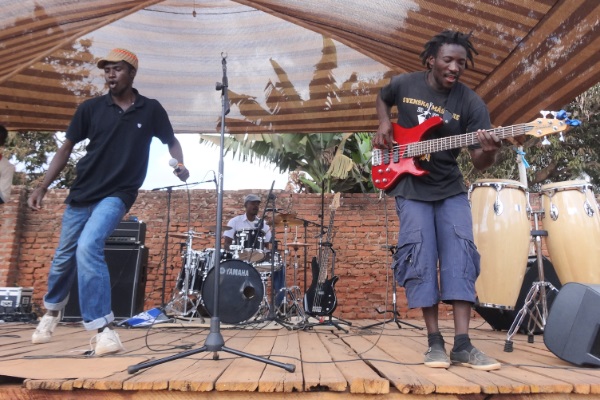
Recognising this, Music Crossroads Malawi recently held a five-day ‘ethno-music’ camp at Search Private Primary School in Ntchisi, where reknowned Malawian musician Charles Chavalamangwere Mkanthama teaches and practices his art.
The Pakhonde ethno-music camp took place from 29 February to 6 March. Pakhonde means ‘veranda or balcony’, symbolically implying a place where people can sit and share ideas, as done in most African households.
The workshop aimed to revitalize the art of playing traditional music instruments and to encourage cultural exchange in the field of traditional music, not only in Malawi but also between different countries. At this particular camp, there were participants from Norway, Brazil, Mozambique and Malawi.
The workshops started the 29 February with the Maviru instrument workshop. On each day, around 30 participants attended master-training workshop based on a particular music instrument. The following were the instruments that were learned: Kaligo, Mbira (Sansi), Visekese, Phenenga, Gulewamkulu drums, Mitungu, Mangolongondo and Baha from Brazil. Several experts in these instruments took turns in training the participants on how to play the instruments. Some of the experts were drawn from the local communities in Ntchisi. At the end of each practice sessions, each group was required to improvise and perform a song using the instruments that they had just learnt.
Every night from 7pm to around 9pm, the participants and some local people sat around a fire and played different traditional or improvised songs, using the traditional instruments available. These jam sessions were facilitated by Waliko Makhala and Charles Chavalamangwere Mkanthama. Apart from local Malawian music, the sessions allowed participants to learn traditional music from the other countries represented at the workshop.
On Wednesday 2 March, John Duma and Ms Sunniva (both from Music Crossroads) facilitated a workshop on traditional music for children. Duma is music and dance trainer for the Hear Us children’s musical at Music Crossroads Malawi, while Miss Sunniva is a Professor of Music with a particular focus on ethno-music. The lecture took both a theoretical and practical approach, with Duma demonstrating the practical means of training children, Sunniva explaining the theories in English and Mr. Chingota translating into Chichewa. The key concepts explained included the importance of using the students as resources in the teaching and learning process and always maintaining contact with students.
Considerable effort was made to involve the local communities during the entire session. For instance, some of the local people were used as expert trainers of the various music instruments, such as Kaligo, Mangolongondo and Mbira. The local communities also took part as participants in the workshop and performers in the concert that took place on Saturday 5 March. Women from surrounding villages were involved in preparing lunch and supper for all the participants.
The concert was one of the highlights of Pakhonde ethno-music camp, which was well prepared and saw the active participation of all participants. The main goal of the concert was for participants to showcase the skills that they had acquired during the time in the camp. To this end the participants were divided into three groups and each group was asked to improvise a song in any language. Time was set aside each day for the groups to rehearse their songs.
Earlier, the participants were taken to the markets close to the venue to raise awareness about the concert. The three groups were dropped at strategic spots, where they could just start performing unannounced. The performances attracted huge interest from the people at the markets, especially because European group members were participating in traditional dances, a sight many had never seen before. The participants then took advantage of the gatherings to announce the concert.
The concert was called the Chavala Concert in honour of Charles Chavalamangwere Mkanthama, who together with Mathews Mfune hatched the idea to hold both the ethno-music camp and the concert. Scheduled to start at around 2pm, by 1:30pm the venue was already filled with people, with over 600 people in attendance.
The Guest of Honor at the Concert was Traditional Authority Kalumo of Ntchisi. Isaac Chingota, Performing Arts Officer in the Division of Arts and Crafts, was chosen to be the MC.
Concert performances came from: the three workshop groups, the Norwegian participants, the Brazilian participants, the Mozambican participants, Waliko Makhala, Charles Chavalamangwere Mkanthama and his students, Kaligo from Mr. Chithodwe, Hear Us children’s musical, Vimbuza led by Mr. Emmanuel Mlonga Ngwira from Kukaya cultural troupe and Gule wa Mkulu from Ntchisi
The ethno-music camp was a great success. The activity managed to draw together people of different cultural and musical backgrounds to share knowledge and skill in traditional music.
According to Mr. Mfune, the plan is to hold the concert annually in order to continuously promote the use of traditional instruments and other technical skills in the field of traditional music in the country, especially for the youth. Certificates of attendance were also awarded to the participants.
The festival also offers a unique opportunity for growing ethno-tourism in Ntchisi district, which though rich in cultural expressions does not have an effective avenue for promoting local tourism.
Originally published on 29 March 2016 by Music Crossroads.


Most popular

Top Naija songs of 2026
31 Mar 2026

Top amapiano songs of 2026
16 Feb 2026

Top Afrobeats songs of 2026
19 Mar 2026

AFRIMA 2026: All the winners
12 Jan 2026
Open call: CANEX Creative Pitch for African creative enterprises
29 Sep 2026
Goethe-Institut Kenya brings Ghanaian and Kenyan artists together for MobiArts concert
05 Oct 2026
Disclaimer: Music In Africa provides a platform for musicians and contributors to embed music and videos solely for promotional purposes. If any track or video embedded on this platform violates any copyrights please inform us immediately and we will take it down. Please read our Terms of Use for more.

Subscribe to our monthly Newsletter
Follow us on social media


Please log in to post a comment.