


























































Photo exhibition celebrates a decade of live music in Nairobi

18 Nov 2020 - 12:34


Celebrated Kenyan photographer Paul Munene recently concluded an exhibition titled 10 | 20 | 30 at Alliance Française in Nairobi. The exhibition featured 30 impressive live music photographs taken between 2010 and 2020 at the French learning institution, which is one of the few essential music venues in the city catering for local and international acts.

The exhibition was co-curated by Munene, the institution’s director, Cedric Taurisson, and the head of cultural affairs, Harsita Waters.
On 31 October, I walked into the exhibition space, and my eyes quickly scanned the room in search of Munene. He had promised me a tour since I needed to get his interpretation of the pictures, one by one. Munene started his career with a point-and-shoot camera in 2004 and has progressively adapted to the latest digital technology. He is presently a freelance photographer working with brands, PR companies and development agencies.
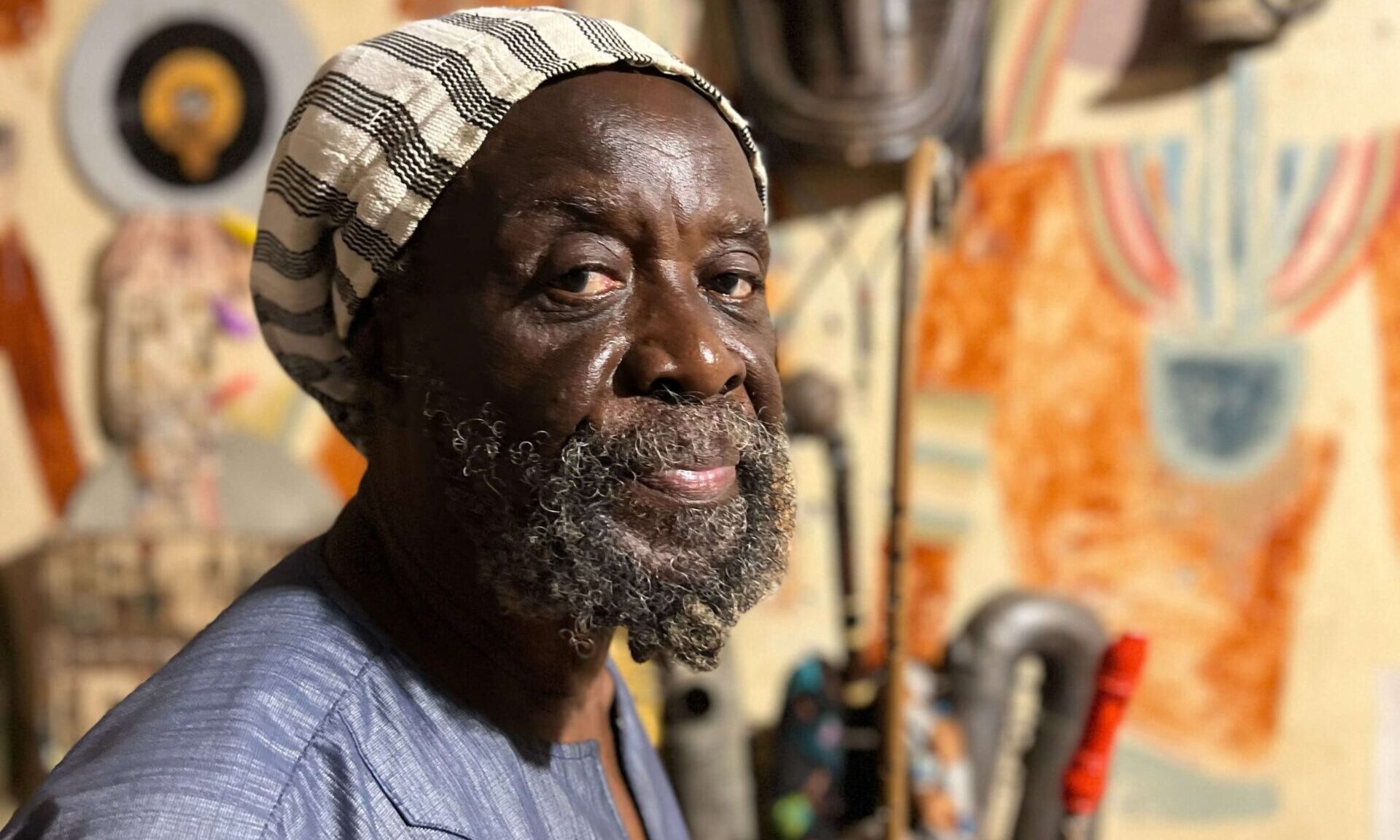
Before we began the tour, I sought to find out his favourite artist at the exhibition. “The legendary Winyo,” he said with an exuberant smile. “For me, he is the greatest vocalist ever to walk the continent. His music is honest, and anyone who has ever met and interacted with him knows he is a gentle, amazing human being. It’s an honour that his image made it to my exhibition.”
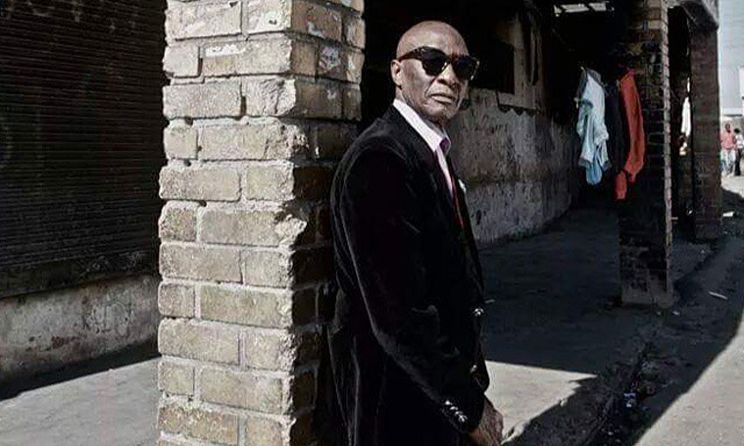
Many art photographers prefer black and white images for effect and to distance the subject matter from reality. Munene is no different and the absence of colour in his work provokes the viewer’s imagination to create a narrative and settle for introspection. “Jacob Asiyo’s picture was the first image I shot in black and white film in 2010,” the artist said.
The exhibition paid tribute to some of Kenya’s most celebrated divas: Suzana Owiyo, the late Achieng Abura and the Gar Gar band. Apart from her general musical talent, Owiyo made it on the exhibition for her command of the nyatiti instrument, which was traditionally played only by men. On the other hand, fondly remembered as Nyar Milambo, or ‘The Daughter From the South’, Abura was an intellectual celebrated for her distinct vocal forte and captivating performances. “Gar Gar are a very important group in our history. I wish more people from their region would discover their music,” Munene said.
The nyatiti was the only traditional instrument included in the exhibition. “Without any schooling, one knows that the nyatiti is a very important instrument,” Munene said. Featured Nyatiti players were Ayub Ogada and Makadem, who remain largely unrecognised and unappreciated at home – but are celebrated globally.
Another corner of the exhibition space displayed a photo of celebrated Kenyan pop group Sauti Sol, who have grown to become an international brand in the past decade. The most influential 'man' in Kenya is either a politician or a preacher, but Munene says that “the Kenyan ‘man’ is Sauti Sol in their 40s, and they are getting there. They work hard, falter and fall but keep believing.”
Another group that made it on the walls of the Alliance Française was Sarabi, one of the few internationally recognised Kenyan Afro-fusion bands. It toured extensively abroad – but there are no audio or video recordings for the public to experience what the band was like in its glory years. “Sarabi’s photo was one of the hardest pictures I ever took because they were many [band members],” Munene said. “I know of many people who wish to have seen them in action but there is no such content online. Moving forward, things should change as COVID-19 has made it mandatory for artists who wish to remain relevant to record stuff and put it online."
There was also a representation of musicians who have taken an activism role on- and offstage and are steering conversations on sociopolitical issues. “Intellectually more than music, Dan Aceda is an important voice in Kenya,” Munene said. “Although sometimes he is very harsh, he keeps the conversation grounded. Eric Wainaina is another important voice in the scene, and at the moment he is reinventing himself and working with new artists. What these two artists advocate for will only make sense over time.”
Then there are musicians shaping the future of jazz. With their brilliance and charisma, Eddy Grey and Juma Tutu are on a mission to ensure that the genre never becomes stagnant. “Grey is one of the underrated and unappreciated musicians we have. People need to pay more attention to him.” Another featured group making great music but is yet to get a breakthrough is Chief and the Marshalls. “They have a huge following at the places they play. So it’s the maturity of the industry players that will allow us to hear and discover many musicians.”
As we near the end of the tour, we approach a photograph Munene describes as “a marriage between rap and live instruments.” The photo features rapper Octopizzo and renowned Congolese guitarist Benjamin Kabaseke. “This picture presents Kabaseke as an example of non-Kenyan musicians who have successfully found their own space in Nairobi’s music scene and are thriving,” Munene says.
Other local artists featured were Hart the Band, Tetu Shani, Karun, Stan Brown, Aron Rimbui and celebrated percussionist Kasiva Mutua. International acts included Alif Naaba (Burkina Faso), Swahili Ally (Tanzania), BCUC (South Africa), Imarhan (Algeria), Sara Halgan (Somalia), Noumoucounda Cissoko (Senegal) and Marema (Senegal).
The exhibition also reinforced the importance of venues in supporting grassroots music and artists.


Most popular

Top Naija songs of 2026
31 Mar 2026

Top Afrobeats songs of 2026
19 Mar 2026

Ghana: Mr Eazi and MOLIY’s ‘Comfort’ earns Urban Music Awards nomination
21 Oct 2026

Top amapiano songs of 2026
16 Feb 2026

Open call: CANEX Music Business Lab and Songwriting Camp
15 Oct 2026

Nigeria: CANEX WKND unveils 2026 programme
21 Oct 2026
Disclaimer: Music In Africa provides a platform for musicians and contributors to embed music and videos solely for promotional purposes. If any track or video embedded on this platform violates any copyrights please inform us immediately and we will take it down. Please read our Terms of Use for more.

Subscribe to our monthly Newsletter
Follow us on social media


Please log in to post a comment.