
















































By Achiro P. Olwoch
The Ugandan music industry is very vibrant and plays a big role in the social and economic lives of many people. Popular musicians in Uganda are the biggest local celebrities. Musicians have in recent years increasingly used their music, regardless of genre, to relay a message and encourage social and economic change. The main choice of language that cuts across all the music genres is Luganda, with some artists mixing it with English and more recently Swahili to reach a wider audience. This text provides an overview of some of the key popular genres in Uganda.
Kadongo Kamu
The first popular music style is the Kadongo Kamu style of music which emerged from traditional music in Uganda. The term “Kadongo Kamu” means “One Guitar” in Luganda, one of the local languages in Uganda. Because this style of music is best enjoyed by cultural loyalists in the Buganda region, this style of music is almost always guaranteed to have an audience. Other genres drew from the Kadongo Kamu style and it thus became the most influential style of music. Among the pioneers was Fred Masagazi, the first musician to play a bass guitar and sing alongside it in the early 1960s, soon after Uganda was declared an independent state. Christophe Sebaguka and Elly Wamala are considered the founders of this style of music and were both involved in the musical events at the 1962 independence celebrations. Other musicians followed in the 1980s and 90s, including Herman Basude, Fred Ssebatta and Paul Kafeero. They are all deceased but their music still lives on. Kadongo Kamu is still widely played. One outstanding musician who still sings in this genre is Dan Mugalula.
Kidandali
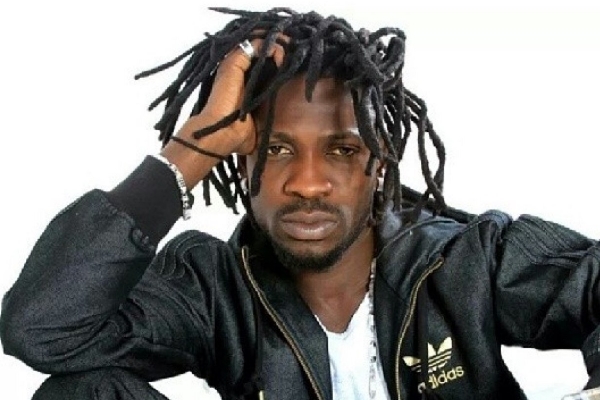
Kidandali style of music is the most popular kind of music in Uganda. It takes after Afrobeat or “band music”, even if this style shares little similarity with Afrobeat. The roots of this genre can be traced back as far back as when Uganda got its independence and bands sprung up in the various parts of the country. This musical style followed closely behind the birth of Kadongo Kamu and was almost a refined or modern style of the Kadongo Kamu. It was highly influenced by soukous and Congolese styles of music. The first band to emerge that has stood the test of time is Afrigo Band, who released their first album, Omutanda Gyali, in 1994 and became the first group in Uganda to release their music on CD. The emergence of Kidandali also came with younger renowned musicians like Bobi Wine, dubbed the “Ghetto President”. Coming from a humble background, Bobi’s style of music and the content therein resonates with rural and urban people alike. His closest rivals are Dr Jose Chameleone and Bebe Cool. Radio & Weasel have recently risen to the top of the pile after being nominated at the BET Music Awards in 2013 for Best Upcoming Artist from Africa.
Dancehall
Dancehall music in Uganda is largely influenced by Jamaican dancehall culture and has been one of the most influential genres in Uganda over the past 20 or so years. It started during the early to mid-90’s and draws heavily from the music of international artists like Shabba Ranks and Buju Banton, who served as inspiration to local pioneers like Rasta Rob and Ragga Dee. Both artists still embrace this style of music but have been overshadowed by younger artists. Dancehall in Uganda is closely intertwined with Kidandali, with musicians frequently crossing over between the two genres. Although most dance hall artists sing in their local tongue, which in most cases is Luganda, they will occasionally mimic Jamaican patois. Some notable musicians who produce this kind of music include Cindy, Bella, Rabadaba and upcoming musician Irene Ntale. One of the most popular hits by Rabadaba is ‘Bwekiri’ (meaning ‘that’s the way it is’), released in 2009.
Hip-Hop
Hip-hop culture has influenced the young people in Uganda in more ways than just music. Modelled after American hip-hop, the mostly young fans of this genre have embraced hip-hop culture, including style of dress, walk and even speech. Klear Cut and Bataka Squad were two of the first hip-hop groups in Uganda, emerging in the late 1990s. Back then, hip- hop was not easily accepted and most of the music groups were forced to change their style. Despite the initial resistance, artists like Navio and Babaluku persisted with this genre. It was not until 2008 that hip-hop really gained popularity with the unveiling of GNL Zamba. Hip-hop continues to be a growing trend in Uganda, with more and more artists adapting the style. There is not much difference between American and Ugandan hip-hop, save for the fact that the Ugandan’s started performing in Luganda. This gave rise to the term ‘Lugaflow’ to describe the fact that hip- hop music can still flow and be just as entertaining in languages other than English.
At present hip-hop remains one of the most popular genres in mainstream media. The most influential hip-hop artists in the country today are Keko, who is one of the most outstanding female artists, and Navio, who sometimes performs alongside former bandmate The Myth.
Gospel
Gospel is another genre of music that has recently grown in popularity in Uganda. It has been adapted from praise and worship music sang in church choirs and bands, especially in the Pentecostal churches. The number of gospel artists to have emerged in the country since the 1990s is now on a par with that of musicians in the other popular genres. Today’s gospel stars have Fiona Mukasa to thank for taking gospel out of the church and onto the street to be enjoyed by everybody during the mid-1990s. Because this genre of music had a soukous influence at the time, it saw the emergence of popular acts like Limit X. Today, some of the most popular gospel musicians in Uganda include Judith Babirye, Wilson Bugembe and Exodus. Exodus is a group of younger musicians who can perform numerous other genres, but whose music is nevertheless often categorized as gospel. Judith Babirye and Wilson Bugembe also embrace other genres, such as kidandali and soukous, but are still associated with gospel. Judith’s ‘Yesu Beera Nange’ (2005) and Exodus’ hit ‘Igwe’ (2008) have long been enjoyed far beyond church walls.
Jazz
Jazz music is not too widely spread in Uganda and not many people identify with it. Still, it has a growing audience, with musician Isaiah Katumwa taking the risk to hold one concert after another not just to entertain but also to educate Ugandans about the beauty of this genre of music. Jazz music is mainly performed by full bands, one of the most respected in Uganda being the Fusion Band. They perform some original compositions alongside popular Western tunes with a jazz twist. They are mainly invited to perform at functions as well as hold weekly shows at major hotels. More recently, a number of top jazz musicians’ from around the world have been invited to Uganda to hold performances. The sight and sounds of these big music giants have paved the way for local talent with a love for jazz to flourish.
R&B
The last music genre in Uganda that encompasses the musical style of most of the artists is R&B. This genre allows all the musical experimentation in whatever language and accommodates all the upcoming as well as renowned musicians in Uganda. The most prominent musicians in this genre include Iryn Namubiru, Julianna Kanyomozi, Naava Grey and Maurice Kirya, to mention a few. Some of these musicians drift at the border between soul and Afro-pop. Their music style resonates well with the Ugandan population, with most of it performed in local languages. Many of the musicians have recently started to sing in Swahili, as well as a mix of Luganda and English to reach a wider audience. Julianna’s ‘Nabikowa’ (2006), Iryn’s Nkuweki (2006) and Grace Nakimera’s ‘Nkwagala Kufa’ (2013) are some of the biggest hits in this genre to date. Maurice Kirya of the Maurice Kirya Experience has made a name for himself bordering between gospel and R&B genres. His song ‘Boda Boda’ held the number one spot on local airwaves because its message cut across regional and tribal allegiances.
Regardless of which of the genres outlined above an artist draws his or her inspiration from, the biggest challenge that all people in the music industry in Uganda face is piracy and copyright infringement. Their music is sold on the black market at less than a quarter of the cost of original CDs and music videos. To curb issues like infringement of copyright and poor marketing, organisations like the Uganda Publishing Rights Society and Uganda Musicians Associations[i] are trying to organize the music industry to make as many sales as they can with the resources that they have. Almost all the musicians in Uganda make their money from concerts or private functions and do not rely on sales alone.
[i] http://www.ugandamusiciansunion.org/


Most popular
Call For Applications : ACCES seeks a UK-based performer
10 Sep 2026

Top amapiano songs of 2026
16 Feb 2026

Top Afrobeats songs of 2026
19 Mar 2026
Open call: Goethe-Institut grants for Southern African creatives
08 Sep 2026
AFRIMA 2026: All the winners
12 Jan 2026
Open call: FAME Week Africa, Pressure Cooker Studios songwriting camp
09 Sep 2026
Open call: Ernst von Siemens Music Foundation 2026 funding programmes
04 Sep 2026
Disclaimer: Music In Africa provides a platform for musicians and contributors to embed music and videos solely for promotional purposes. If any track or video embedded on this platform violates any copyrights please inform us immediately and we will take it down. Please read our Terms of Use for more.

Subscribe to our monthly Newsletter
Follow us on social media


Please log in to post a comment.