



























































Read the Fine Print and all other Pages Carefully

21 Nov 2014 - 10:34

by Andile Qongqo
FACT: A CONTRACT IS THERE TO PRIMARILY PROTECT THE INTERESTS OF THE ONE WHO DRAFTED IT.
Up to this day, you still hear stories of musicians who sold millions of albums but made small change. And as usual, record companies are partly to blame (and they really are). But the musicians are also to blame because they did not understand the contract they signed. Every woman/man has the power to choose his/her destiny. That’s the true meaning of freedom. The sad truth about the recording industry is that it’s controlled by a select few; the major record labels.
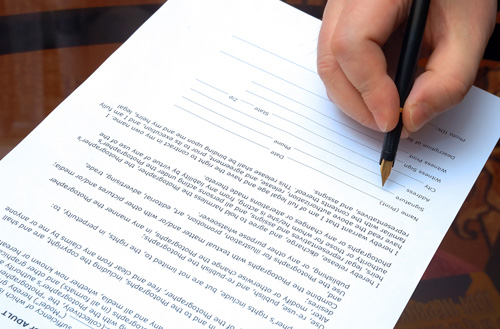
So, as long as record companies are running things, musicians will be exploited. And the only way this is going to change is if musicians started drafting their own contracts. It may not be practical (yet), but it’s not impossible. The next time you are asked to sign a contract you didn’t draw up, know that its main purpose is to protect the interest of the one who drafted it.
Here are a few points to be aware of when signing a major record label contract:
- A major label usually signs a new artist on an exclusivity basis, meaning the artist becomes property of the record label: all your performances have to be approved by your label.
- Contracts don’t normally mention as to what happens if the recording label goes bankrupt. If a label files for bankruptcy, all the music you recorded with the label gets dissolved with the label. All your hard work down the drain.
- The label will demand you give them the option of extending the contract when it expires, but you don’t get that option. Which means, if the label makes money out of you, they get first priority to offer you another contract, but on the other hand, you don’t get ask for a new contract unless the label wants you.
- You maybe happy with the album, but it won’t be released until the label says so. There are a number of reasons why a label will delay an album release: it could be that, for some reason, they don’t feel like it’s the “right time” to release you, or your release may compete with one of their star artists.
- Producers get paid from your royalties, so the more producers you use, the less you get from royalties.
- There’s nothing on the contract that forces the label to release your album at a certain date. You could wait for months before your album gets released, sometimes it is for legitimate reasons like doing some market research to see if your music has a market, sometimes it could be the label delaying the release just to show you who’s the boss (this normally happens to new artists who are too opinionated for the label’s liking).
- It’s up to the label to choose producers, session musicians, studio, CD artwork, etc. You have little say as to who you want on your album when you are a new artist under a major record label, the label makes all the decisions.
- All costs of making and releasing your album are recoupable, including any advance money they give you. Everything the label spends money on to release your album is recoupable (the label will reimburse itself against your royalties): recording studio, producers, session musicians, marketing, travel expenses, any accessories. You will want to make sure you don’t waste anything, don’t waste studio time, don’t choose too expensive clothing for any appearances (if it’s up o you) and don’t overspend at hotels; phone calls, meals, movies etc.
- The label may acquire 100% copyright control of all the songs you record. You may be credited with copyright ownership on songs you created, but the label owns the recordings; meaning the label owns the songs as they sound on the CD because the label paid for recording costs. If you decide to part ways with the label & you want your songs back, you’ll have to buy them back from the label (they won’t be cheap).
Contracts contain long sentences with a lot of commas, which make them hard to read. A typical contract will read:
“RIGHTS IN MUSICAL COMPOSITIONS:
As to any Composition wholly or partially written or controlled directly or indirectly by Artist which is recorded and released pursuant to the provisions hereof (hereinafter referred to as "Controlled Composition(s)"), Artist agrees to assign to Company or Company's Publishing Affiliate, One Hundred (100%) percent of Artist's interest in the copyright of the Controlled Composition, as well as the sole and exclusive right to administer and protect such interest in the Controlled Composition throughout the world, for the frill life of the copyright including any extensions and renewals thereof Company or Company's Publishing Affiliate, will account to Artist, and pay Artist according to the provisions of the songwriter-publisher contract attached hereto as Exhibit "B".Notice how many commas they use and after how long the full stop comes."
As an artist, you are an independent service provider, which means you won’t get any benefits (pension, medical benefits) or bonuses if the label makes an unexpected profit from your album. This is one of the reasons why many musicians have been penalized by the tax man; many musicians assumed their labels would take care of their tax issues, whereas that is not the case.
Originally published on www.mio.co.za


Most popular

Top Naija songs of 2026
31 Mar 2026

Top Afrobeats songs of 2026
19 Mar 2026

Ghana: Mr Eazi and MOLIY’s ‘Comfort’ earns Urban Music Awards nomination
21 Oct 2026

Top amapiano songs of 2026
16 Feb 2026

Open call: CANEX Music Business Lab and Songwriting Camp
15 Oct 2026

Nigeria: CANEX WKND unveils 2026 programme
21 Oct 2026
Disclaimer: Music In Africa provides a platform for musicians and contributors to embed music and videos solely for promotional purposes. If any track or video embedded on this platform violates any copyrights please inform us immediately and we will take it down. Please read our Terms of Use for more.

Subscribe to our monthly Newsletter
Follow us on social media


Please log in to post a comment.