

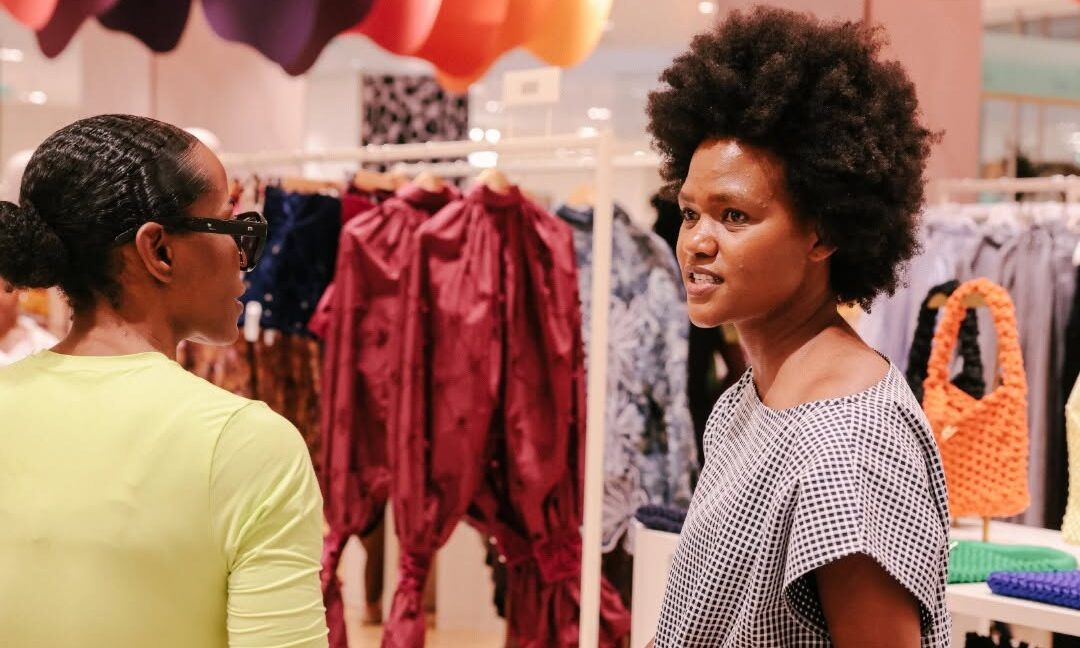


























































Ringing cancer’s bell: How Umjondi became a story of friendship, grief and hope

26 Jun 2026 - 12:15


Some stories begin in recording studios. Others start in notebooks filled with unfinished lyrics. Then there are stories born in hospital rooms, carried through funeral processions and kept alive by promises between friends.

‘Umjondi’ belongs to the latter.
Long before it became Efa Ibhinqa Lokuqala’s latest single, it was part of a conversation she shared with fellow late artist Brie Lee. Together, they believed they could one day celebrate the moment cancer survivors ring the hospital bell, signalling the end of treatment and the beginning of a new chapter.
That moment never came for Brie Lee. Instead, Efa found herself saying goodbye.
Only days after attending her friend’s funeral in the Eastern Cape, she boarded a flight to Johannesburg. Not because the grief had eased, but because the journey they had spoken about before everything changed still had to continue.
Originally, the trip was meant to focus on music, interviews and the next chapter of Efa’s career as one of the most compelling voices emerging from South Africa’s new generation of Xhosa hip hop artists. Cancer changed those plans. Before travelling to Johannesburg, she first returned home to bury someone who had become far more than a collaborator. Brie Lee was a sister, a fellow artist and a fellow dreamer.
That decision to continue the journey after the funeral gives ‘Umjondi’ a significance that extends well beyond music.
Efa understands survival in ways few people do. In 2012, at the age of eight, she survived four gunshot wounds in Khayelitsha, Cape Town, a story she has spoken about publicly over the years. More than a decade later, she found herself supporting a close friend through another battle for survival.
Brie Lee’s life became defined by treatment, hope and the support of those around her until cancer claimed her life at the age of 28. Both women, daughters of the Eastern Cape, understood that survival is rarely a single event. It is a journey that demands resilience time and again.
My own connection to their story began with a WhatsApp message. As a writer participating in the NEFCISA programme at the Music In Africa Foundation, I had followed both artists since late 2025. I watched two Eastern Cape women carve out space within Cape Town’s hip hop scene, building careers in an industry where women often have to fight for recognition.
When news of Brie Lee’s death emerged, I noticed an uncomfortable silence. Smaller hip hop publications published tributes, while many larger outlets did not.
It felt like a story that deserved greater attention. Through fellow Xhosa rapper Gxarha, who continues to navigate the music industry while living with albinism, I obtained Efa’s contact details.
I reached out, not in search of a headline, but to offer my condolences. I introduced myself as a contributor, photographer and writer with the NEFCISA Programme at Music In Africa Foundation and explained that I hoped to tell her story with care.
Like many people navigating grief, Efa was understandably cautious. Still, she replied. The first thing she did was correct a factual error. Brie Lee was not 30 years old, as had been reported in some places. She was 28.
It may have seemed like a small correction, but it served as an important reminder. Journalism begins by listening. Accuracy comes from conversation, not assumption. I apologised before asking a question every journalist should ask when writing about loss: “If we tell your story, what would you want people to focus on?”
Her answer was immediate. Not fame. Not publicity. Not streaming numbers. She wanted people to understand the journey, the friendship and the story behind ‘Umjondi’.
That story became even clearer a day after the single's release, when Efa appeared on The Mixed Bag podcast with The Original Don Dada, only days after Brie Lee's funeral.
During the interview, she smiled briefly before referring to her friend in the affectionate way only lifelong friends can. “It really sounds silly, that silly girl.”
It was a fleeting moment, but grief often reveals itself through ordinary memories, inside jokes and familiar expressions that survive long after a person is gone.
Listening to Efa speak, it became obvious that ‘Umjondi’ carried far more than lyrics and beats.
The title draws from uMjondolo, the isiXhosa word associated with informal settlements. It reflects communities shaped by hardship, resilience and hope, places where people continue dreaming despite difficult circumstances.
That symbolism mirrors the lives of both Efa and Brie Lee. Two young women from the Eastern Cape trying to build meaningful careers through music. Two friends refusing to surrender to difficult realities.
Two artists who believed music could provide strength when words alone were not enough. For Brie Lee, cancer was that reality. For Efa, completing the journey became a way of honouring her friend's memory. That is why her arrival in Johannesburg carried such weight.
She arrived carrying more than a new single.
She carried the story she and Brie Lee once shared, the story of believing they could one day ring cancer's bell.
Anyone who has witnessed that moment in a hospital understands its meaning. The ringing of the bell symbolises relief, courage and survival. Although Brie Lee never reached that milestone, its significance lives on through Efa and through the music inspired by their friendship.
Listeners may first hear ‘Umjondi’ as another hip hop release, but beneath the production lies a far deeper story: one of friendship, grief, resilience and promises kept. It is the story of two women from the Eastern Cape whose dreams stretched far beyond provincial borders.
The journey began in Cape Town, passed through hospital corridors, continued at a funeral in the Eastern Cape and now reaches Johannesburg.
Carried by Efa Ibhinqa Lokuqala. Carried by friendship. Carried by hope. And carried by the enduring belief that even in life's darkest moments, people can still find the strength to ring the bell.


Most popular

Top Naija songs of 2026
31 Mar 2026

Top Afrobeats songs of 2026
19 Mar 2026

Top amapiano songs of 2026
16 Feb 2026
Open call: CANEX Music Business Lab and Songwriting Camp
15 Oct 2026
Open call: National Arts Festival artistic director in SA
15 Oct 2026

Ghana: Mr Eazi and MOLIY’s ‘Comfort’ earns Urban Music Awards nomination
21 Oct 2026
Disclaimer: Music In Africa provides a platform for musicians and contributors to embed music and videos solely for promotional purposes. If any track or video embedded on this platform violates any copyrights please inform us immediately and we will take it down. Please read our Terms of Use for more.

Subscribe to our monthly Newsletter
Follow us on social media


Please log in to post a comment.