











































NEFCISA
NEFCISA

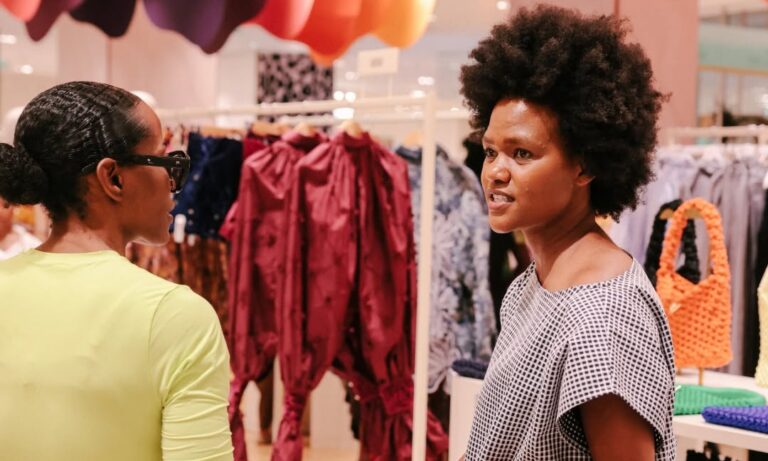
The Music In Africa Foundation (MIAF) is proud of its partnership with the Industrial Development Corporation (IDC) as a Strategic Implementing Partner (SIP) for its Social Employment Fund (SEF). Through this collaboration, MIAF is running a national programme that is creating jobs, addressing skills gaps, and strengthening South Africa's creative industries — in line with the SEF's overarching goal to generate work for the common good and build community value through employment, social contribution, and inclusive economic participation. Operating under the banner NEFCISA (National Employment Facility for Creative Industries in South Africa), the initiative is recruiting and training participants, matching them with host organisations, and has already placed 1 500 workers across the country — surpassing its original target of 1 000. NEFCISA is delivered through a network of 20 host organisations spanning five provinces, who are actively hosting participants and contributing to work for the common good across South Africa's creative and cultural industries. Key Objectives: Support employment and entrepreneurship in the creative industries. Offer skills development and training programmes. Foster partnerships between public and private creative sectors. Promote South African creativity at both provincial and national levels Foster community development through social contribution.

ACCES
ACCES

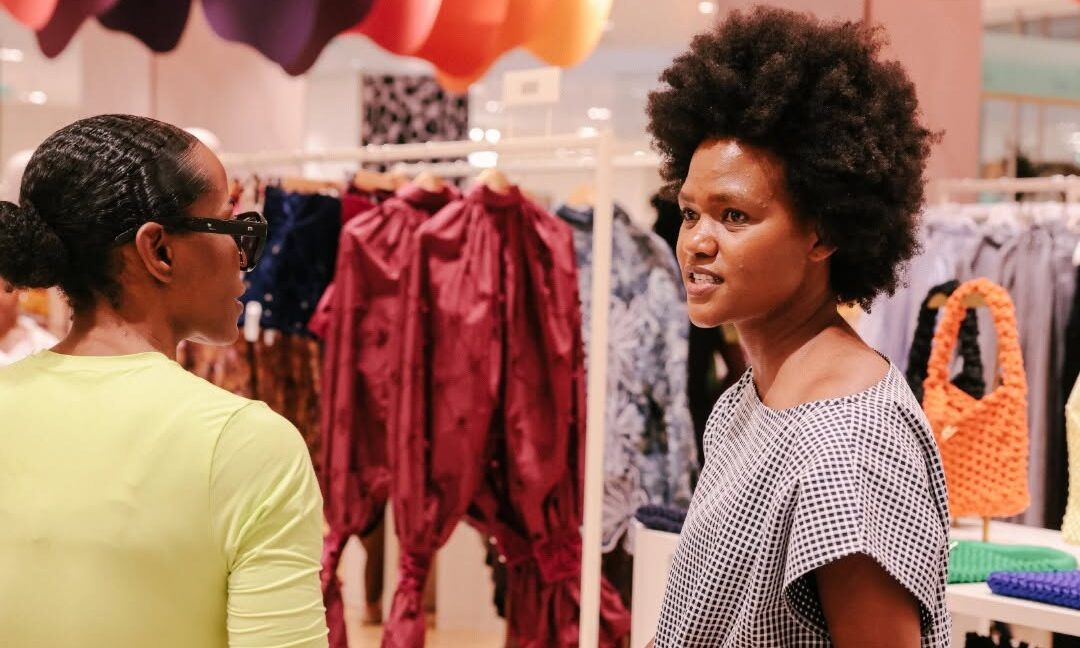
ACCES Conference and Showcase Festival is Africa's leading music industry gathering, bringing together the people shaping the future of the continent's music business. Artists, entrepreneurs, executives, investors, policymakers and cultural leaders from across Africa and around the world come to ACCES to build partnerships, exchange ideas, discover talent and create new business opportunities. Since its launch in 2017, ACCES has become the continent's premier platform for professional exchange and music market development. Combining a high-level conference with a curated showcase festival, networking, exhibitions and industry programmes, ACCES offers a unique space where creativity meets business and where African music connects with the global industry.

Gender@Work
Gender@Work

Music In Africa Gender @ Work is a three-year training programme aimed at upskilling and increasing the participation of female professionals in the African music sector. Launched by the Music In Africa Foundation (MIAF) in April 2019, the programme is connected to the MIAF’s ACCES music conference – a pan-African event held in a different African country every year. This connection enables the programme to reach new participants in a different African country every year. The programme marks the beginning of a more concerted effort by the Foundation to support the participation and inclusion of women in all facets of its programmes and the music sector in Africa as a whole. Over the three years, the programme will aim to address gender imbalances in the sector through training, lobbying, facilitating knowledge exchange and dialogues that foster the interest of women. The broader objectives of the programme are to: Provide industry training for women on critical music industry skills, focusing on: Stage management Electronic music production and recording Music business management Technical knowledge Provide an opportunity for both professional and aspiring women to benefit from the Music In Africa network and its broad range of activities in 2019, 2020 and 2021. Provide a solution-based platform in the form of a round table at ACCES with a view to identify challenges, discuss opportunities and lobby for the interests of female practitioners. Offer participants the opportunity to benefit from programmes offered by MIAF’s partners. Increase access to educational materials. Integrate participants in the broader ACCES programme to maximise experience and exposure to the industry. Record and present training materials on the www.musicinafrica.net, including but not limited to tutorials, templates and other best-practice materials. Communicate women-based themes that support the initiatives and messages of the programme. MAIN TRAINING ACTIVITIES Training in first country (Ghana): In the first year, participants will be trained on all aspects of stage management by a team of experienced stage managers from 10 to 17 November 2019. The programme will offer robust classroom training as well as practical, hands-on training in which participants will also be given the opportunity to manage various aspects of the ACCES performance programme. Training in second country: The second training iteration will take place at ACCES 2020 when the programme will diversify its course to include music production lessons and training on other music business topics. A round-table platform will also be introduced to coincide with the ACCES programme. Training in third country: The third training iteration will take place at ACCES 2021 in a different country, offering an advanced course. HOW DO YOU GET INVOLVED?  As a participant, facilitator or trainer: The programme enrolls up to 12 trainees every year. All opportunities are advertised publicly on this website, and will be added to this page. Please keep checking this page for new calls (below under UPDATES & CURRENT OPPORTUNITIES). As a partner Please contact Claire Metais at [email protected]. APPLY The call for applications for 2020 will be announced soon. The Music In Africa Gender @ Work programme is made possible with the support of the Prince Claus Fund, Siemens Stiftung and Goethe-Institut.

Sound Connects Fund
Sound Connects Fund

For cultural and creative practitioners and organisations operating in southern Africa, access to funding remains a major challenge. The COVID-19 pandemic has also had a massive impact on government policy, spending and the economy in general, and has seen spending on culture being moved further down the list of priorities. Further, the cultural and creative industries repeatedly cite four main areas where investment is needed for growth, which are increased visibility, mobility including access to new markets, finance and support structures.

Instrument Building And Repair Project

Experience the Vibrations African Instruments Exhibition online in 3D

Features

The role that Zimbabwean music could be playing

29 Nov 2016 - 12:25

cc-img flag-img

Zimbabwe today is on the precipice. Although we are a happy and warm people, a lot is wrong with our politics and economy. Detailed information on the problems Zimbabwe is facing is awash on the Internet and elsewhere; I will not delve much into that. From where I stand, however, one of the greatest tragedies we face as a people is that voices of dissent have been systemically and almost effectively muted. When a people cannot talk or sing openly, then the essence of community is no more. Our musicians are very careful not to sing openly without the use of idioms and at times this betrays the message being conveyed. Speaking in hushed voices threatens to shred the little that is left of our social fabric. 

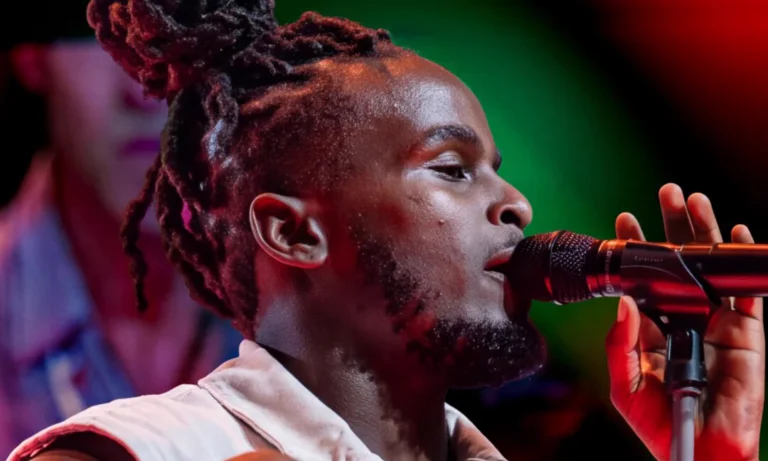
Winky D. Photo: HERITAGE FUSION

I understand that the current wave of protests in Zimbabwe are engineered via the shield of social media. The fight against a systemic rot like that being faced in Zimbabwe should not over rely on copious, important, yet often misrepresentational Facebook videos and rants to be effective. Rather, the authoritative voices and cogent articulations by us the ordinary Zimbabweans in the form of accessible cultural activities such as song, stories and tales should be seriously considered. These have the potential to raise the urgency in facing the repressive system head on. The idea is to use the affective power of dialogue, songs, and stories to rethread the tattered Zimbabwean communities. Of course, other political processes will be running parallel. This is not to imply that music is the end to the problems we face. But it is one of the options we can explore to strengthen our weakened social capital and diminished interpersonal trust in our communities.

We should be cognisant that in indigenous Africa, music was conceived and applied to play critical roles as an intangible force that managed societal systems, coerced humanity consciousness and sanctioned deviations in the conduct of stable as well as sublime societal living. Therefore in Zimbabwe, music should continue to negotiate the drastic temper of governing authority that is intolerant of dissent and criticism. Paul Madzore, a former, Movement for Democratic Change (MDC) Member of Parliament,, has been consistent in this regard.

In his new songs Bond hatidi, Zimbabwe Yadzoka, and Takashinga, Madzore does a good job of explaining and addressing contemporary political and social concerns in Zim, and making pertinent contributions to the debate around the ill-fated bond notes and unified citizens action. I particularly, enjoy that his songs are done in the call and response style, which by the way in non-studio settings can only be achieved by more than one individual. What this means is that music effectively becomes an experiential platform through which people can meet and dialogue. Madzore’s music is easy on the ear and bold, while the subject matter he sings about is very important. Through song, he has managed to speak on the totalitarian and oppressive government of Zimbabwe and its impact on our everyday lives. His chosen music and method is very simple albeit not simplistic. Anyone can do this, and they can do it at any setting.

Not everyone has the courage to sing openly like Madzore or be clever about it the way Winky D subtly reminded youth that they are underachieving victims of the system in his songs ‘25’ and ‘Daddy’ from his 2016 release. However, all of us can and should listen to this music, either in our personal or in public spaces in Zimbabwe. It is important to spread the music.

What I am advocating here, essentially, is a return to source, where solutions to our common problems are communally owned. There is a plethora of activities that our communities can do together. For instance, we can embark on clean-up campaigns, or decide to fill-up potholes as communities. While at it, we can compose and sing protest songs. I don’t think the system will stop us from mending some of the community problems and work songs are not a criminal offence. Subsequently, some of the songs will be incidental music serving as reminders of what we face and what we should do.

We also need to be wary of the fact that the deciding vote is going to come from young people, most of whom are Zim Dancehall fanatics. Challenge is this type of music is losing its currency. It seems as if ZANU PF have stopped propelling the genre. The genre’s popularity did not just lie in that it was a ghetto movement, the government deliberately channelled resources to propelling resources to popularising the genre as a strategy to give youth a false sense of belonging and employment. Now that the youth know that not all of them are going to be successful singers and the leading lights are singing about popular issues affecting ordinary Zimbabweans, the system is doing little to nothing to hype this music through print, online and broadcast media. There is therefore an urgent need for us to think around harnessing the youth energy in this music .

Please log in to post a comment.

Most popular

Disclaimer: Music In Africa provides a platform for musicians and contributors to embed music and videos solely for promotional purposes. If any track or video embedded on this platform violates any copyrights please inform us immediately and we will take it down. Please read our Terms of Use for more.

newsletter banner

Subscribe to our monthly Newsletter

Follow us on social media