




























































SA collaborators talk about new song tackling mental health stigma
23 Feb 2024 - 09:23


Introducing a pioneering collaboration that transcends the boundaries of music and advocacy, ‘Demons and Disorders’ is a bold anthem spearheaded by Stephen Gawking, aka The Nuclear Lyricist, Aewon Wolf and Nathan Blur, who unite in a shared mission to ignite change and foster empathy.
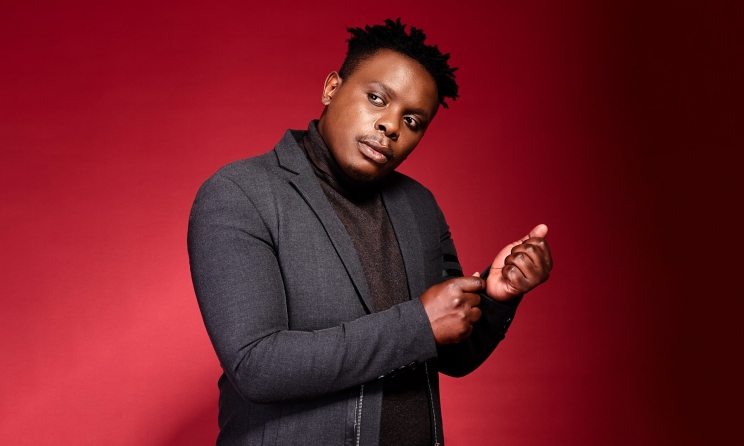
The three South African artists have combined their artistic platforms to confront the pervasive stigma surrounding mental health. In a world fraught with challenges, their collaboration stands as a beacon of hope, inspiring us to embrace understanding support, and resilience.
We spoke with the artists about what motivated them to release the new track.
How does this collaboration cultivate empathy, mutual understanding and support for one another’s mental well-being?
STEPHEN GAWKING: I want to stress that everyone faces struggles, and there’s no shame in them. It’s important to persevere and keep pushing forward. Aewon hopes listeners find enjoyment in the music and are inspired to be kind to one another. Nathan aims for people to connect with the song’s vibe while relating to its lyrics. Music invites personal interpretation, encouraging listeners to explore their own imaginations. Our aim with this track was to evoke a range of emotions, leaving a memorable impact on listeners.
Mental health struggles affect millions worldwide, yet the stigma around the issue prevents open dialogue. How does ‘Demons and Disorders’ aim to break down these barriers and encourage listeners to prioritise mental health awareness and support?
SG: ‘Demons and Disorders’ takes a profound and serious stance on a societal issue that demands open discussion – free from judgment or stigma. The song embarks on a philosophical quest, probing the depths of depression and seeking ways to address it. Its chorus serves as a universally resonant anthem, capturing the shared experience of ‘barely holding on’ at some point in life.
Each of you has faced personal challenges on your journey as artists. How does sharing these experiences through ‘Demons and Disorders’ promote a sense of solidarity and resilience among your fans?
SG: By openly sharing our struggles, we aim to foster recognition among others that we all encounter inner demons, irrespective of our backgrounds or identities. This acknowledgment underscores the significance of unity, as it highlights our shared experiences and challenges. Through collaboration, we strengthen our collective resolve, demonstrating the power of working together to overcome obstacles.
AEWON WOLF: As a creative individual, I believe my primary role is to authentically convey the story surrounding this issue. Additionally, having lost artist friends to depression, I’ve witnessed first-hand how effectively it conceals itself and can catch anyone by surprise. While I cannot definitively say whether I technically suffered from depression myself, as I was never diagnosed, I can certainly attest to experiencing dark episodes that align with its various descriptions. During these challenging times, small acts and signs of kindness played a crucial role in pulling me through. Therefore, drawing from my personal experiences was instrumental in telling this story.
NATHAN BLUR: The message of this song is important because it sheds light on universal issues that everyone faces. Vulnerability allows people to connect with the song’s message. The song concludes with the line, ‘Something’s got to be done and it starts with you.’ I hope this line raises awareness about what others are going through and underscores the role we all play in making the world a better place.
The power of music to heal and uplift is undeniable. How do you see ‘Demons and Disorders’ serving as a beacon of hope for those grappling with mental health issues?
SG: By offering reassurance that individuals are not alone in their struggles and that experiencing challenges with mental health is a common human experience. We aim to bring some clarity to the darkness of depression and this shared objective is what brought us all together to work on this song.
‘Demons and Disorders’ blends various musical genres to convey its message. How does this eclectic fusion of styles reflect the complexity of mental health struggles and the need for diverse perspectives in addressing them?
SG: Like the diversity found in music, mental health encompasses a wide range of experiences. However, it doesn’t discriminate; its effects can be felt by anyone. This shared vulnerability is a common thread among us humans. Therefore, standing together in solidarity is the most effective approach to combat it, as demonstrated through this song.
Stephen Gawking, in your role as a beacon of hope, how do you leverage your platform to champion mental health awareness and combat stigma, especially for individuals confronting disabilities?
SG: Through my journey, I aim to demonstrate that even with a progressive muscular disease, I continue to persevere. If I can overcome obstacles to pursue my dreams and passions, then what’s stopping anyone else? Ultimately, these pursuits give me a sense of purpose, and I hope to inspire others through my music and accomplishments.
Aewon Wolf, your dedication to spreading love and compassion comes through in your music. How does ‘Demons and Disorders’ amplify your message of understanding and support for others’ mental well-being?
AW: This song resonates with those values by tackling a topic frequently polarised and scrutinised without exploring the genuine human experiences beneath the scientific and religious explanations. Upon closer examination of the song, you’ll observe that following all the anecdotal analysis and reflection, I close with a straightforward call to action: ‘Just being nice.’ Essentially, this encourages demonstrating love and compassion towards all individuals, recognising that we can never fully comprehend their struggles.
Nathan Blur, your soulful music resonates deeply with listeners. How does ‘Demons and Disorders’ harness the power of emotion to connect with audiences and foster empathy for mental health struggles?
NB: I believe most of the connection with this song will stem from listening to the lyrics. I hope the song encourages people to be more aware of the mental and physical struggles others face. It’s always challenging to know if listeners will interpret your music the way you intended. Music is subjective, and its meaning can be heavily influenced by everyone’s unique experiences. If we manage to spark a thought or conversation, I think we’ll have achieved our goal.
Collaboration often brings about personal growth and new perspectives. How has working on ‘Demons and Disorders’ challenged and inspired each of you to prioritise your own mental health and well-being?
SG: For me, the entire process was incredibly therapeutic, reaffirming the deep satisfaction that comes from collaborating with fellow artists to craft something unique. This ongoing creative journey nourishes my soul and contributes to my overall well-being in a profound way.
AW: I’ve developed a newfound appreciation for my lifestyle choices as they enhance my artistic expression by allowing me to create from a place of contentment. Through my music and artistry, I aspire to impart elements of this happiness to others, aiming to spread positivity and inspiration.
NB: This song served as a reminder for me to always prioritise my health. As creatives, our success often depends on how many people like us. The constant pursuit of universal approval can lead to mental health issues, a struggle many of my peers have faced. I recently stopped creating to please others and instead focused on making music that I love. I always strive to stay grounded and ensure that I prioritise activities that bring me joy. It’s not always easy – late nights, early mornings, social media trolls, and so on. Sometimes it feels like you’re ‘barely holding on.’
Listen to Demons and Disorders here.
This interview was supplied to Music In Africa by Devographic Music Agency.


Most popular

Top Naija songs of 2026
31 Mar 2026

Top Afrobeats songs of 2026
19 Mar 2026

Top amapiano songs of 2026
16 Feb 2026
Open call: CANEX Music Business Lab and Songwriting Camp
15 Oct 2026
Ghana: Mr Eazi and MOLIY’s ‘Comfort’ earns Urban Music Awards nomination
21 Oct 2026
Nigeria: CANEX WKND unveils 2026 programme
21 Oct 2026
Disclaimer: Music In Africa provides a platform for musicians and contributors to embed music and videos solely for promotional purposes. If any track or video embedded on this platform violates any copyrights please inform us immediately and we will take it down. Please read our Terms of Use for more.

Subscribe to our monthly Newsletter
Follow us on social media


Please log in to post a comment.