





















































Sauti za Busara 2024: Lorenz Herrmann on his vision for a sustainable festival
02 Feb 2024 - 06:46


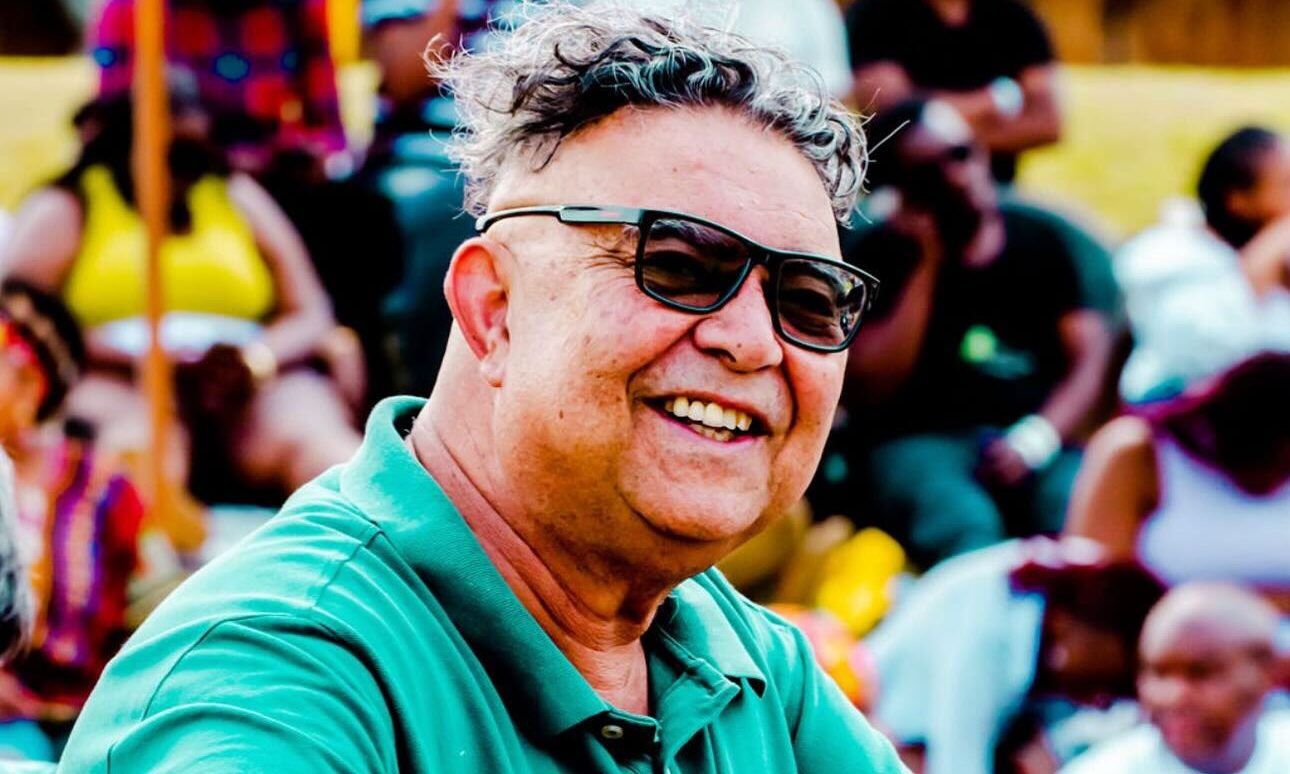
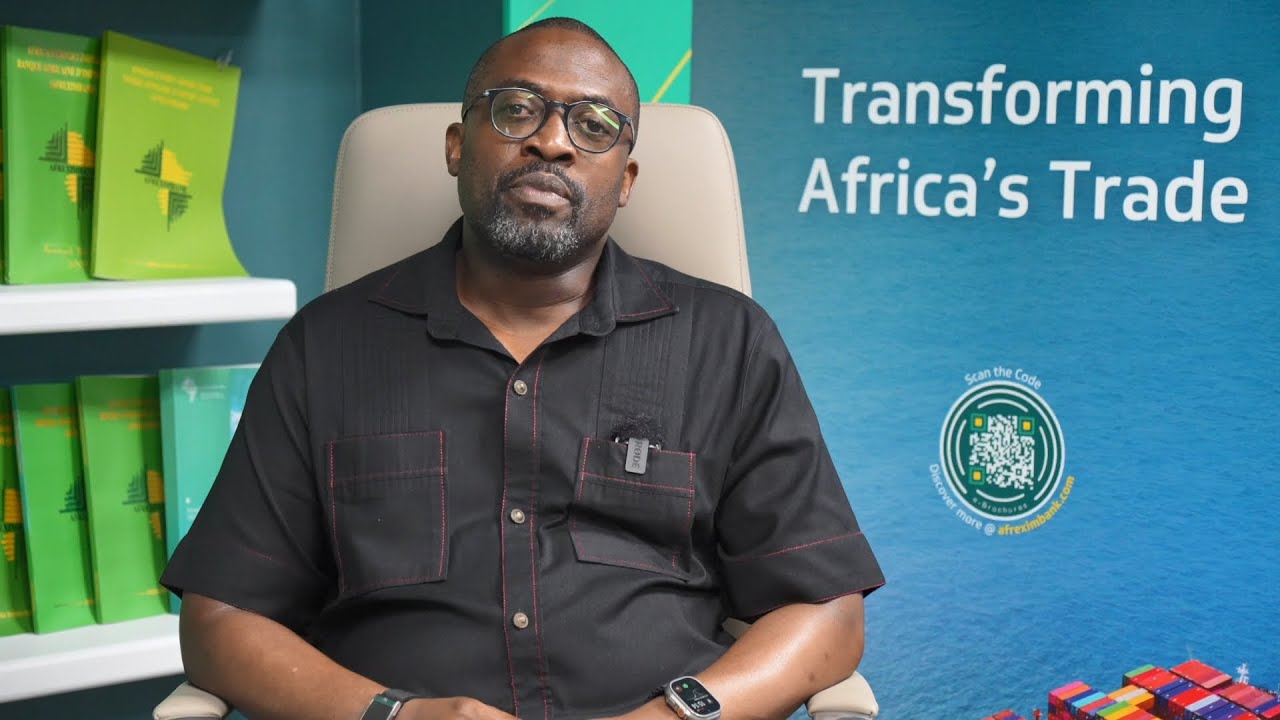
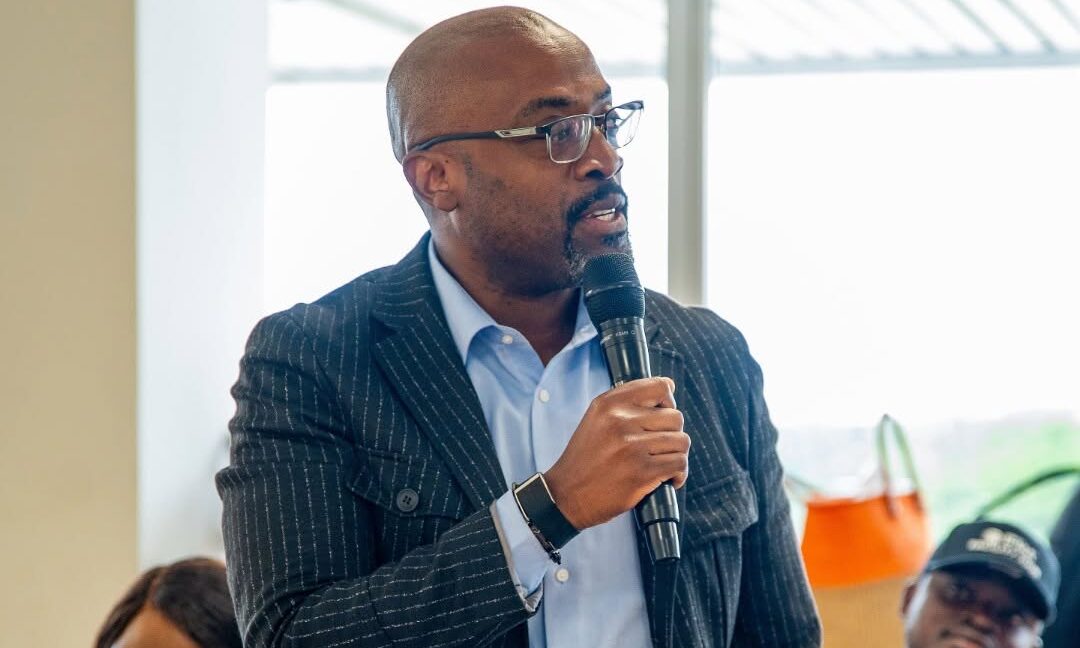
In July last year, Zanzibar-based cultural organisation Busara Promotions – the organisers of Sauti za Busara festival – named Lorenz Herrmann as its new managing director, taking over from founder and CEO Yusuf Mahmoud who was retiring after 20 years at the helm.

With only a few days to go before the 2024 edition of Sauti za Busara, the German cultural entrepreneur, who has lived in Tanzania since 2016, shares his experience and vision seven months after being tasked to superintend one of Africa’s top music festivals.
MUSIC IN AFRICA: How has it been since you took over as managing director of Busara promotions?
LORENZ HERRMANN: It has been an intense learning process. Luckily, the team is very strong and has been working with the festival for many years. This gives me the chance to focus on acquiring new partners for the festival while slowly introducing and implementing new ideas. Taking over the role of a managing director of the NGO that has been running the festival for 20 years is a big task – but I have to praise Yusuf [Mahmoud] who left good structures and a very strong team behind.
What are some of the things that have taken you by surprise since you assumed the role?
When doing the opportunity analysis for the brand and festival, I was really surprised how far the reach of the festival is. Working with numerous media partners from all over Tanzania, the continent and beyond, we directly reach over 393 million people in the course of the year. Furthermore, it is also astounding what economic impact the festival has on the island. According to an independent study from 2015, the festival brings over $10 million to the island in the course of two weeks – and yet it’s an enormous struggle to finance the festival itself and convince businesses on the island to support it.
What goes into the preparation of a Sauti za Busara festival?
Preparation for a festival like Sauti za Busara takes a whole year, starting with the promotion, fundraising, artists’ selection, preparing the line-up, communicating with the artists, booking accommodation, travel, coordinating crew, equipment, etc. Hosting an audience of over 20 000 people over three days, managing over 35 partners, making sure every artist is picked-up, does sound check and is on stage on time is a big task that takes careful preparations. Keep in mind that the festival happens for three days only and there is no room for errors.
How was it taking over from Yusuf Mahmoud who has been running the festival for 20 years?
Yusuf has left a great legacy behind and I admire him for founding and keeping Sauti za Busara alive for 20 years. It’s a lifetime achievement and he has been very supportive during the transition period. He left an amazing team, great structures and a magic formula behind, all of which I learn from every day. Without the new festival director and former festival manager Journey Ramadhan, finance and admin Safina Juma, marketing and press officer Zakialulu Mdemu and ICT officer Abdulrahman who keep the festival together, it won’t be possible to make it happen. I appreciate Yusuf for giving me the space to explore new ideas and trusting the process of leaving the festival in the hands of his team and the new co-directors.
What are some of the plans to grow and sustain the festival?
In order to sustain the festival, the structures that carry it need to be strong and resilient. In our case it’s Busara Promotions that has been the backbone of the festival. For the festival itself, we started some more income generating projects like our hotel packages and the cashless system powering our bars, which we will run ourselves for the first time in Busara’s history. We have created more visibility and branding avenues for corporate partners, and are happy to welcome Kenya Airways and TigoZantel on board for the 21st edition of the festival. With Busara Promotions, we started a monthly showcase during the community market day in Fumba Town – our core sponsor. After the festival, we will develop the new strategic plan for the NGO for the period 2025-2030. This will be decisive, and we already have a list of ideas we will assess after the festival that will hopefully help us create more regular income throughout the year to reduce dependency on donors and sponsors and increase self-sufficiency.
What role does the local community play in the festival?
The local community plays a massive role. Over 90% of our 200-plus crew members are from the local community, giving the festival the friendly and relaxed experience that we are used to. Without their contribution, the festival would not be possible and we are happy that every business surrounding the festival is busy and booked out throughout the festival period, empowering the local economy. Through the Busara Xtra initiative, there are a number of fringe events happening, from art exhibitions to brunch beats, meaning the whole town is buzzing and there is something for everyone.
What is the biggest challenge that the festival is grappling with?
Financing the festival is definitely the biggest challenge. There are enormous costs involved in producing a three-day live music festival with artists from all over the continent. Most of our guests still buy their tickets at the door and many donors and sponsors wait until the last minute to sign their agreements, which makes it hard to predict the outcomes and financial health of the production. Another challenge is to accommodate all the amazing talents that apply for the festival. For this edition, 500 groups applied for only 25 slots available. It is always a tough moment when the team has to send the emails out to the ones that did not make the selection.
What can the festivalgoers can expect from this year’s edition?
I am very excited and proud that we managed to select a strong line-up – featuring legends-in-the-making and a great variety of genres and music styles, plus a lot of big ensembles. We also worked on tweaking the weak spots of the past festivals, making sure there is a smoother experience at the ticketing counter and access control gate – all of which will be outside of the Old Fort this year. Last but not least we have expanded our VIP section. It’s going to be three days of pure live music, magical food and drinks and good vibes from beautiful people from all over the continent and beyond.
The 21st edition of Sauti za Busara festival will take place in Stone Town, Zanzibar, from 9 to 11 February 2024. To view the full artist line-up and purchase tickets, visit here.


Most popular

Top Naija songs of 2026
31 Mar 2026

Top Afrobeats songs of 2026
19 Mar 2026

Ghana: Mr Eazi and MOLIY’s ‘Comfort’ earns Urban Music Awards nomination
21 Oct 2026

Top amapiano songs of 2026
16 Feb 2026
Open call: CANEX Music Business Lab and Songwriting Camp
15 Oct 2026
Nigeria: CANEX WKND unveils 2026 programme
21 Oct 2026
Disclaimer: Music In Africa provides a platform for musicians and contributors to embed music and videos solely for promotional purposes. If any track or video embedded on this platform violates any copyrights please inform us immediately and we will take it down. Please read our Terms of Use for more.

Subscribe to our monthly Newsletter
Follow us on social media


Please log in to post a comment.