




















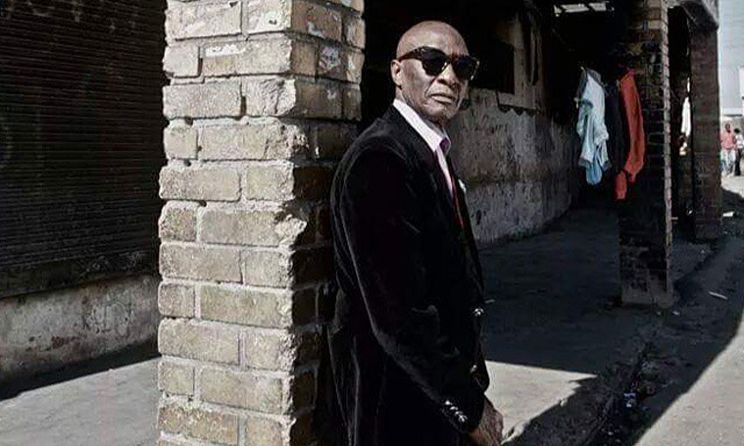































Sha Sha: It’s an honour to be part of the amapiano legacy

25 Mar 2021 - 08:50


Hard work is a price everyone must pay for success. But in the music industry, even this does not guarantee instant fame and fortune. Music is a peculiar game where many elements need to come together before an artist can begin raking in the accomplishments.

For Sha Sha, the pieces of the success puzzle have come together at the right time: she has earned the ‘Queen of Amapiano‘ moniker and is now the poster child of the biggest musical movement in southern Africa. She often makes the headlines in the local media, collaborates with the leading producers of the genre like DJ Maphorisa, Kabza De Small and MFR Souls, and wins international music awards. It is a fairy tale for the South Africa-based Zimbabwean singer so far, and it looks like things won’t be slowing down anytime soon.
Music In Africa spoke with Sha Sha recently about the beginnings of her career, her relationship with the aforementioned producers, and where she thinks amapiano is going from here.
MUSIC IN AFRICA: Who was Sha Sha before storming onto the amapiano scene in South Africa?
SHA SHA: I was based in Harare working myself up in the music scene. I was fortunate to be doing what I was doing before, but on a smaller scale [laughs]. I was doing concerts and really pushing hard to promote my music on radio. I decided to explore and develop my musical career in South Africa in 2017. It was a conscious decision back then, as I had already been working with some established producers based in South Africa while in Zimbabwe.
What were you busy with musically before you got into amapiano?
I made so many tracks when I was still at home and not one of them was amapiano. I was doing more pop and R&B sounds at the time. That’s what polished my vocals, apart from the years singing at school and church. Then when I got to SA, it was restaurants and weddings mostly.
How were you introduced to amapiano?
It was simply in the right place at the right time. I had a regular taxi driver in Joburg whom I shared my story with and he coincidentally knew DJ Maphorisa. The driver was kind enough to introduce me to Maphorisa and it has been a rollercoaster ride ever since. I started laying down vocals in the studio, Kabza did his thing and that’s how it began.
What draws people to amapiano?
It’s a vibe, it speaks for our culture, especially if you listen to the language used. The production and instruments are its own thing, and it shows a different side of Africa. The majority of it is African with a modern twist. I see it becoming very big as it goes on and threads itself into the international music scene. It captures the spirit of Africa because we’re all just really blessed people. And it doesn’t really fit into a single format, because it has evolved so much since it first came onto the scene.
What makes your relationship with DJ Maphorisa and Kabza De Small so successful?
Hard work. Those guys work hard, and so do I, and we love where we’re from. So it shows in our work. It’s made with genuine passion and love. And the fans see this, which makes them gravitate towards the music. When they like the music, it motivates us to keep going.
Looking at the progression of kwaito to gqom to amapiano, what do you see as the next big sound coming out of South Africa?
Anything at this point because Africa has been making some amazing music over the past decade or so, especially commercially. So I really think that if you have a love for music, go for it – you could be making the next big thing.
In your estimation, how is amapiano evolving?
It’s hard to say but it’s always exciting to see a sound go beyond our borders, even as far as Europe. I don’t really know how it’s going to change, but I am keen to see how it will evolve when overseas artists adopt the sound. It’s hard to predict these things – it’s almost like a universal language that other people might not necessarily understand, but they can feel it.
Are you comfortable being associated with one particular genre or would you want to expand into other musical styles?
I love amapiano and the success it has brought me, and the success it will keep bringing me. But most of all I love music. Being called the Queen of Amapiano is actually an honour because it means I am part of a legacy or history. That’s something you can’t really change, which I think is positive. My music is actually quite versatile, so don’t be surprised when you hear me dropping bars on some tracks in the future. Nasty C, J Cole, I’m coming for y’all [laughs]. But as you’ve heard of late, I’ve been on Afrobeats songs with Killertunes, Tellaman and Oxlade, and if you’ve heard my previous projects, which were mostly R&B, my vocal ability is versatile.
What changed in your career after your victory at the BET Awards?
Everything. Opportunities started coming in, everybody was happy for me and they showed a whole lot of love. I just can’t wait to put out more work and see how the world and my fans will react to that.
Do you write your own lyrics and what inspires your melodies?
Yes, I write my own music, and my biggest inspiration is my life, my family, my fans, where I was and where we are going. Not just me but everybody who has been involved in my life. It’s a journey.
How do you want to be perceived by your fans?
I just want to make music that people can sing and dance to – music that people can tie to good memories and successes. But I think on top of all that, progress – to have people see progress through my music; for all the girls and the kids to look at Sha Sha and say, ‘Africa is going up there.’ That’s what I want. But overall, I just want to make music that will speak to you.


Most popular

Top Naija songs of 2026
31 Mar 2026

Top Afrobeats songs of 2026
19 Mar 2026

Ghana: Mr Eazi and MOLIY’s ‘Comfort’ earns Urban Music Awards nomination
21 Oct 2026

Top amapiano songs of 2026
16 Feb 2026

Open call: CANEX Music Business Lab and Songwriting Camp
15 Oct 2026
Nigeria: CANEX WKND unveils 2026 programme
21 Oct 2026
Disclaimer: Music In Africa provides a platform for musicians and contributors to embed music and videos solely for promotional purposes. If any track or video embedded on this platform violates any copyrights please inform us immediately and we will take it down. Please read our Terms of Use for more.

Subscribe to our monthly Newsletter
Follow us on social media


Please log in to post a comment.