




























































South Africa’s G20 presidency can anchor Africa’s arts and culture global agenda
29 Nov 2024 - 13:03


The G20 Rio de Janeiro Leaders’ Declaration, adopted this month, offers a framework for the global arts and culture sector. It acknowledges the immense value of culture in fostering unity, sustainability, and dialogue.
For Africa, this is an important moment. Yet, while the declaration sets an aspirational tone, it prompts a deeper question: can these commitments truly transform the lived realities of those who work in the arts and culture sector? Across the continent, artistic freedom and cultural development are not abstract goals; they are deeply intertwined with daily struggles for visibility, security, and recognition.
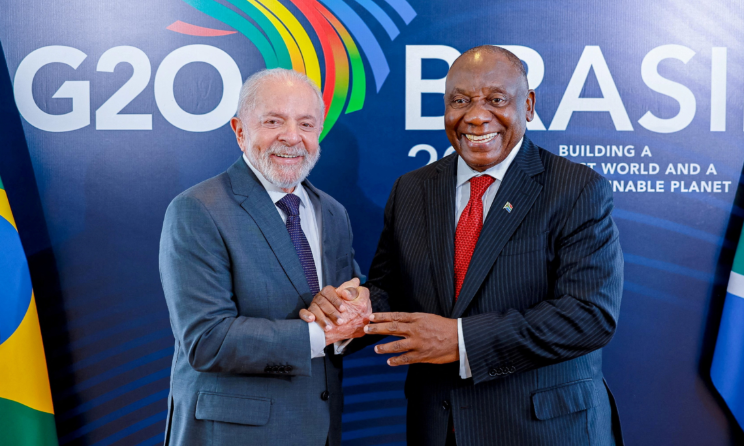
The G20, which initially focused on economic stability, has evolved to address broader global challenges, including trade, sustainable development, health, energy, and combating corruption. As the summit concluded on 19 November, Brazilian President Luiz Inácio Lula da Silva passed the ceremonial mallet to South African President Cyril Ramaphosa. This marked a historic moment, as South Africa became the first African country to assume the G20 presidency. President Ramaphosa declared that Africa’s development would be at the heart of the G20 agenda, emphasising the presidency’s theme: Solidarity, Equality, and Sustainability.
Ramaphosa outlined South Africa’s priorities, including promoting inclusive economic growth, improving food security, and exploring opportunities in artificial intelligence. Minister of Public Service and Administration Inkosi Mzamo Buthelezi echoed these goals, highlighting South Africa’s commitment to the 2030 Agenda for Sustainable Development, with a focus on reducing illegal financial activities and tackling corruption. Deputy Minister Pinky Kekana added that the presidency would prioritise reducing poverty, building a capable state, and fostering inclusive growth.
But what about culture? Despite the far-reaching priorities, the arts and culture sector has yet to find its place in these discussions. Why is culture still seen as secondary, despite its potential to power economies and create jobs? The ministers’ statements reflected traditional development goals but made no mention of culture’s role in achieving these ambitions. This glaring omission highlights a long-standing pattern: platforms like the G20 often overlook culture’s transformative potential.
Culture is more than entertainment or heritage; it’s an economic engine, a force for social cohesion, and a driver of innovation. Yet, public investment in culture remains one of Africa’s most pressing challenges. The commitment by African Union member states to allocate 1% of national budgets to culture by 2030 is promising, but the reality often falls short. For instance, Zambia allocates less than 0.1% of its national budget to culture, despite recognising its potential to diversify the economy. Similarly, Uganda and Zimbabwe face chronic underfunding, with cultural projects frequently deprioritised or poorly managed.
On 8 November, the G20 Ministers of Culture met in Salvador de Bahia, Brazil. The meeting resulted in a joint commitment to increase investment in cultural policies focusing on four priorities: cultural diversity and social inclusion, the digital environment and copyright, the creative economy, and the preservation, safeguarding and promotion of cultural heritage and memory. However, the absence of these points in the G20 Leaders’ Declaration reflects the persistent marginalisation of culture in global policy conversations.
Artistic freedom, a key focus of the G20 Declaration, is another area where Africa faces challenges. Countries like Mozambique and Uganda continue to grapple with self-censorship and dependence on political goodwill, as highlighted in the PANAF report. Without robust legal protections or diverse support systems, artistic expression remains vulnerable to political interference and economic insecurity. While the G20’s emphasis on fair pay and decent work for cultural workers is encouraging, how can these commitments translate into real change for African artists? Who will champion these rights on their behalf?
Digital innovation and artificial intelligence represent both an opportunity and a risk for Africa’s creative industries. The G20 called for global engagement on copyright and related rights in the digital environment, particularly concerning the impacts of AI. For Africa, where digital platforms have given traditional art forms renewed life, this represents an opportunity to lead in shaping equitable policies for digital creativity.
The Salvador da Bahia Declaration stresses the importance of promoting an inclusive, transparent, and ethical digital ecosystem that supports creators and ensures fair remuneration. It also calls for safeguards against AI’s potential to exacerbate existing inequities in creative sectors, which is particularly relevant for African artists operating in unregulated digital environments. However, weak copyright enforcement leaves many creators exposed to exploitation. In Nigeria, for instance, the booming music industry has yet to fully protect its artists from losing revenue to piracy and unfair licensing deals. Africa now has a chance to leverage the G20 platform to advocate for international frameworks that protect creators’ rights and ensure fair compensation in the digital economy.
The Salvador da Bahia Declaration also stresses the need to protect and restore heritage, especially as it faces challenges like climate change, conflict, and illegal trade. Preserving cultural traditions and returning stolen artefacts can help strengthen Africa’s identity while fostering healing and unity. The African Union’s Agenda 2063, a strategic framework for the continent’s development, highlights the importance of reclaiming Africa’s cultural heritage as part of building a strong, united, and prosperous continent. The AU has consistently championed the restitution of looted cultural artefacts as a critical step toward addressing historical injustices and reclaiming African identity. This position has been a familiar theme across various pan-African cultural platforms, reflecting the continent’s collective determination to restore its cultural treasures.
As the AU represents its member states on global platforms, it should seize the opportunity provided by South Africa’s G20 presidency next year to bring restitution into sharper focus. With South Africa taking the lead, there is an opportunity to amplify this conversation at one of the world’s most influential forums, ensuring that the push for restitution aligns with broader global priorities on justice and cultural preservation.
According to the Department of International Relations and Cooperation (DIRCO), South Africa’s presidency at the G20 offers the country a chance to showcase its culture, heritage, tourism, and innovative industries to thousands of delegates and support teams from some of the world’s most advanced and emerging countries. It also creates an opportunity to highlight South Africa’s achievements in technology, industry, and trade across different fields. For the country’s provinces and cities, this is a valuable moment to bring local culture and creativity to the global stage, showing the world the unique diversity and economic possibilities of the arts.
But, what about the rest of the continent? The G20 presents a rare chance for Africa to lead with a unified voice. By prioritising shared goals like increased public investment, stronger protections for artistic freedom, and better access to global markets, African countries can push for culture to become a core pillar of sustainable development. The G20 theme of Solidarity, Equality, and Sustainability offers a platform to showcase how creativity drives progress. But will South Africa seize this moment to champion culture not just for itself, but for the entire continent?
The question is no longer whether Africa can elevate culture on the global stage; it’s whether Africa will. As South Africa takes on this leadership role, it has the chance to redefine the narrative, proving that culture isn’t just a reflection of who we are but a cornerstone for sustainable progress and equity. Let this moment be the one where Africa’s artistic and cultural potential is prioritised as a central force for social and economic change.
Lucy Ilado is a culture programme consultant, project manager, policy advocate, researcher, and arts journalist based in Nairobi, Kenya.


Most popular

Top Naija songs of 2026
31 Mar 2026

Top Afrobeats songs of 2026
19 Mar 2026

Ghana: Mr Eazi and MOLIY’s ‘Comfort’ earns Urban Music Awards nomination
21 Oct 2026

Top amapiano songs of 2026
16 Feb 2026

Open call: CANEX Music Business Lab and Songwriting Camp
15 Oct 2026

Nigeria: CANEX WKND unveils 2026 programme
21 Oct 2026
Disclaimer: Music In Africa provides a platform for musicians and contributors to embed music and videos solely for promotional purposes. If any track or video embedded on this platform violates any copyrights please inform us immediately and we will take it down. Please read our Terms of Use for more.

Subscribe to our monthly Newsletter
Follow us on social media


Please log in to post a comment.