





































NEFCISA
NEFCISA

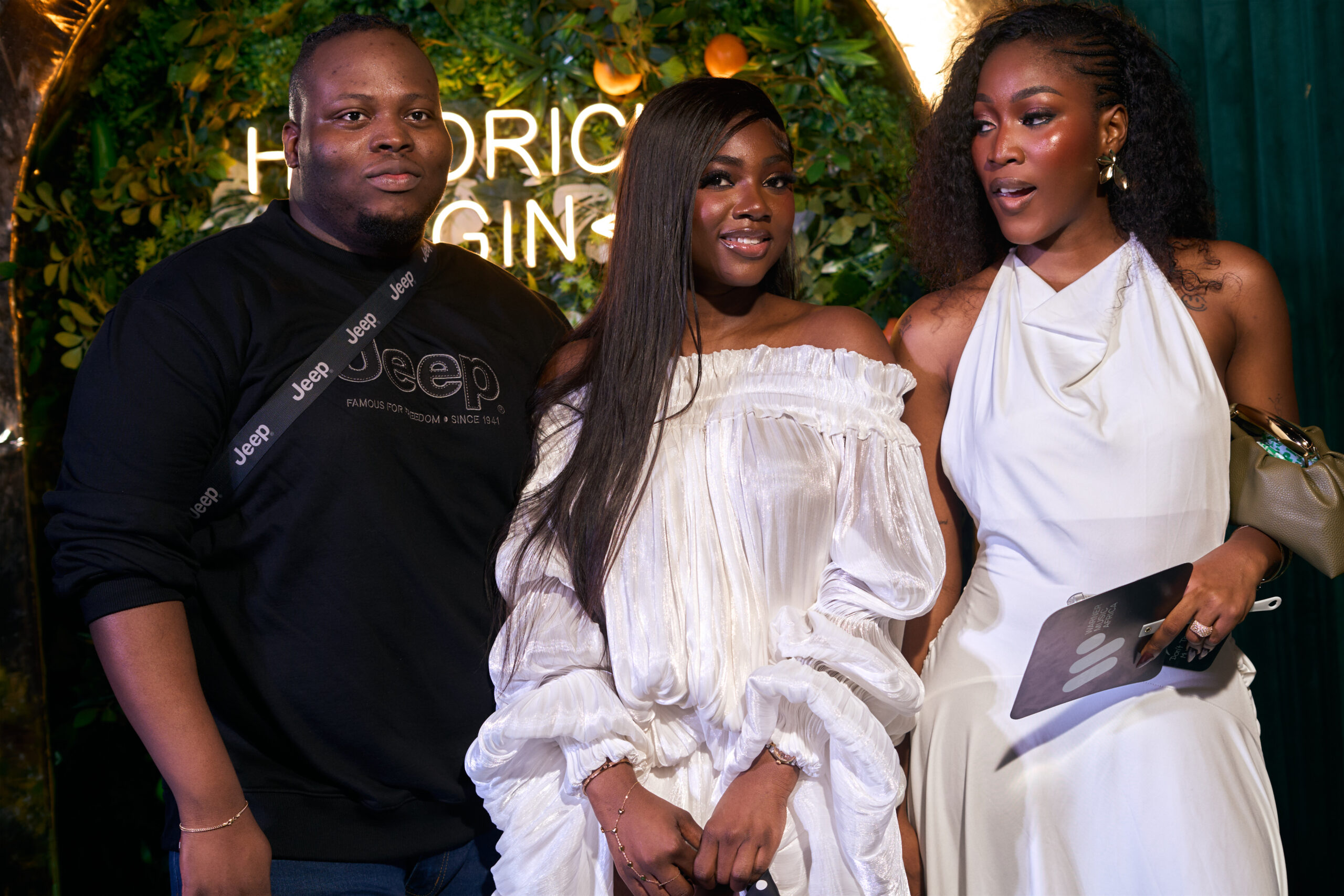
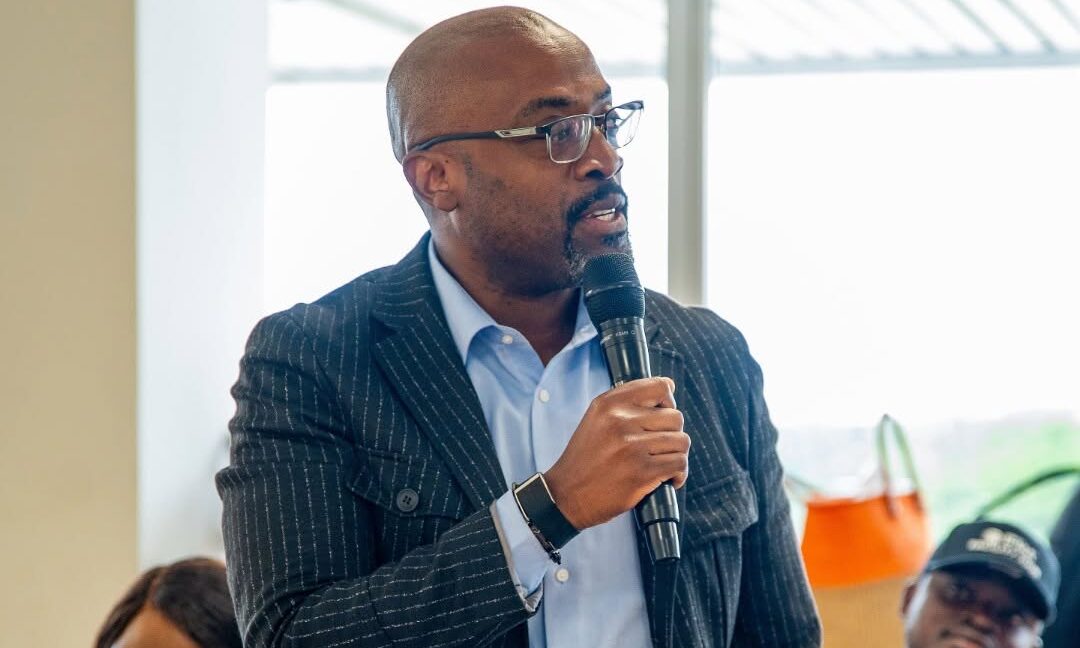
The Music In Africa Foundation (MIAF) is proud of its partnership with the Industrial Development Corporation (IDC) as a Strategic Implementing Partner (SIP) for its Social Employment Fund (SEF). Through this collaboration, MIAF is running a national programme that is creating jobs, addressing skills gaps, and strengthening South Africa's creative industries — in line with the SEF's overarching goal to generate work for the common good and build community value through employment, social contribution, and inclusive economic participation. Operating under the banner NEFCISA (National Employment Facility for Creative Industries in South Africa), the initiative is recruiting and training participants, matching them with host organisations, and has already placed 1 500 workers across the country — surpassing its original target of 1 000. NEFCISA is delivered through a network of 20 host organisations spanning five provinces, who are actively hosting participants and contributing to work for the common good across South Africa's creative and cultural industries. Key Objectives: Support employment and entrepreneurship in the creative industries. Offer skills development and training programmes. Foster partnerships between public and private creative sectors. Promote South African creativity at both provincial and national levels Foster community development through social contribution.

ACCES
ACCES

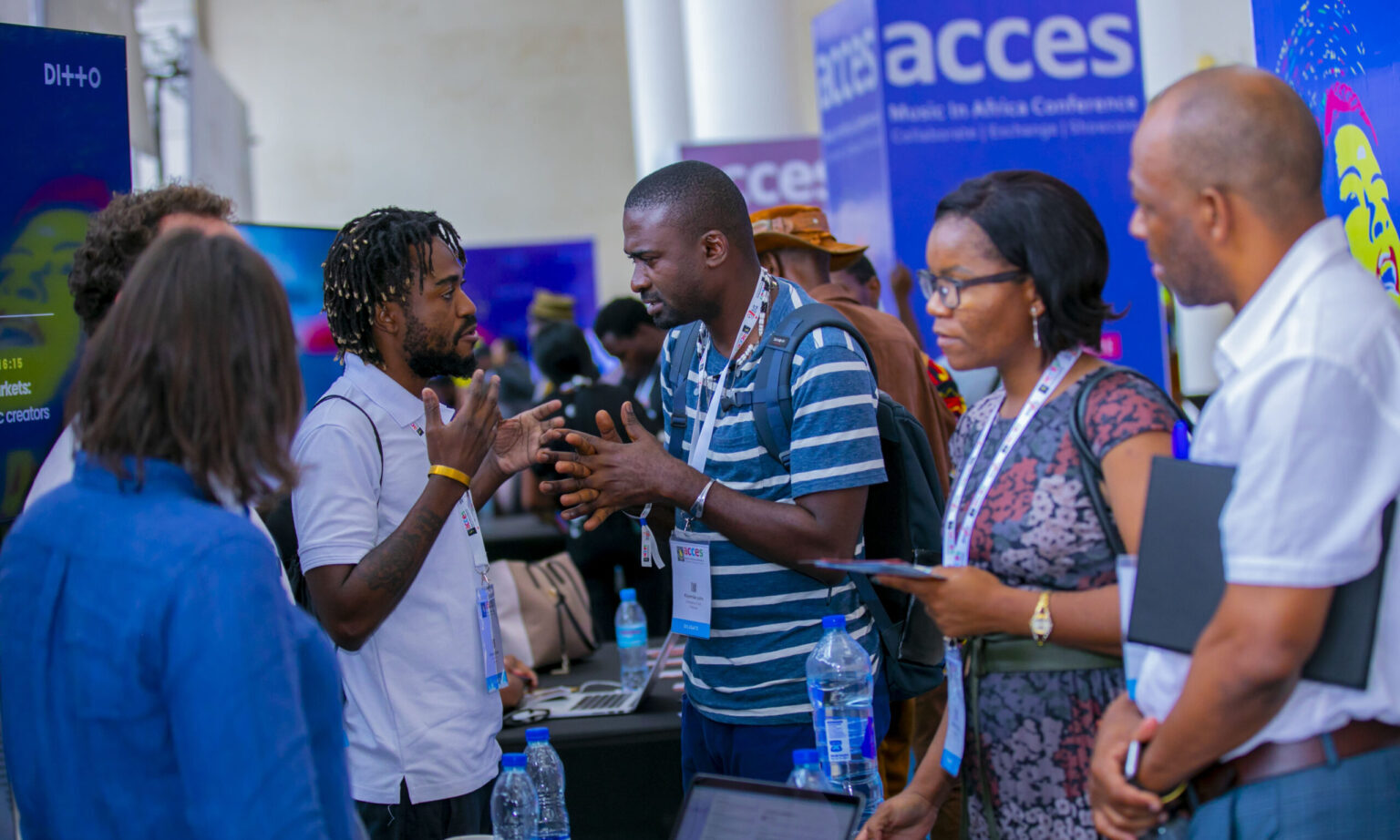
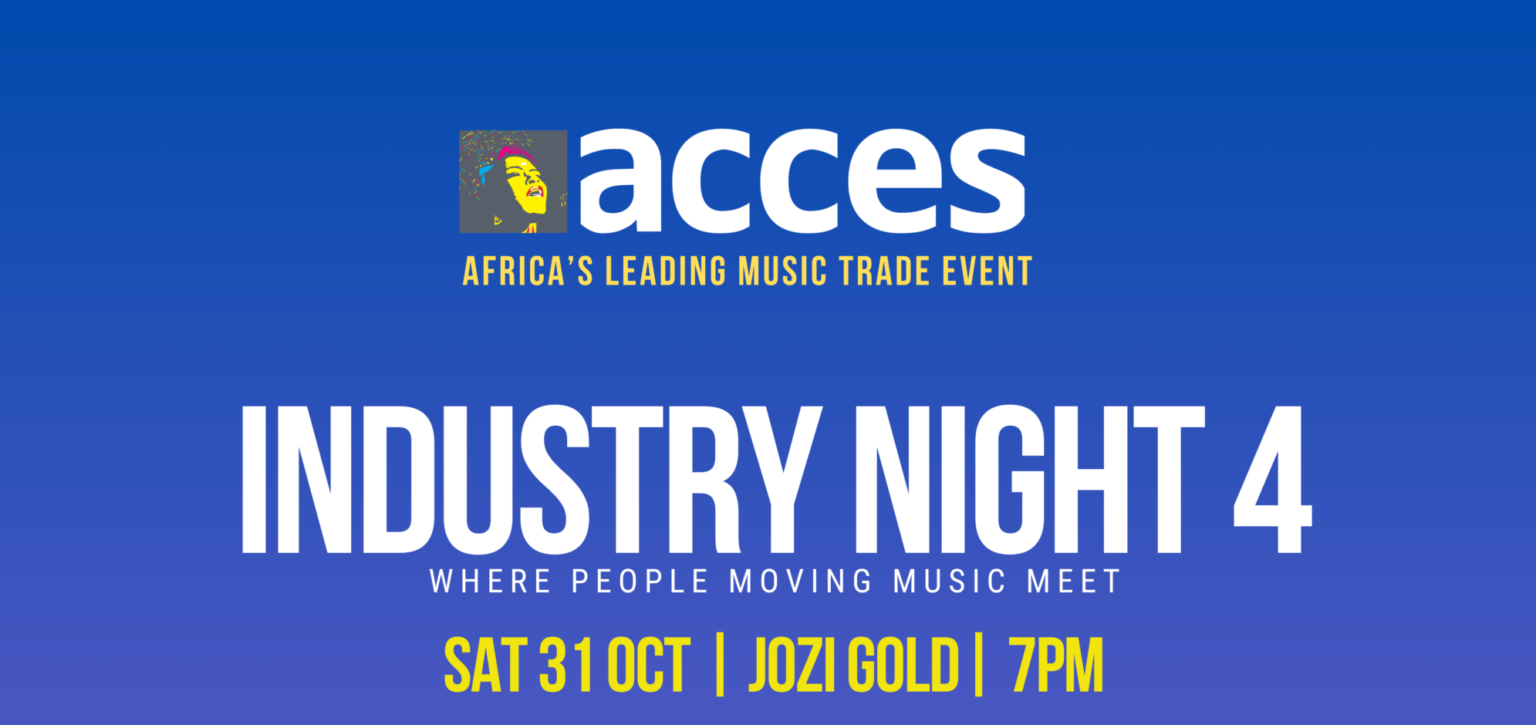
ACCES Conference and Showcase Festival is Africa's leading music industry gathering, bringing together the people shaping the future of the continent's music business. Artists, entrepreneurs, executives, investors, policymakers and cultural leaders from across Africa and around the world come to ACCES to build partnerships, exchange ideas, discover talent and create new business opportunities. Since its launch in 2017, ACCES has become the continent's premier platform for professional exchange and music market development. Combining a high-level conference with a curated showcase festival, networking, exhibitions and industry programmes, ACCES offers a unique space where creativity meets business and where African music connects with the global industry.

Gender@Work
Gender@Work

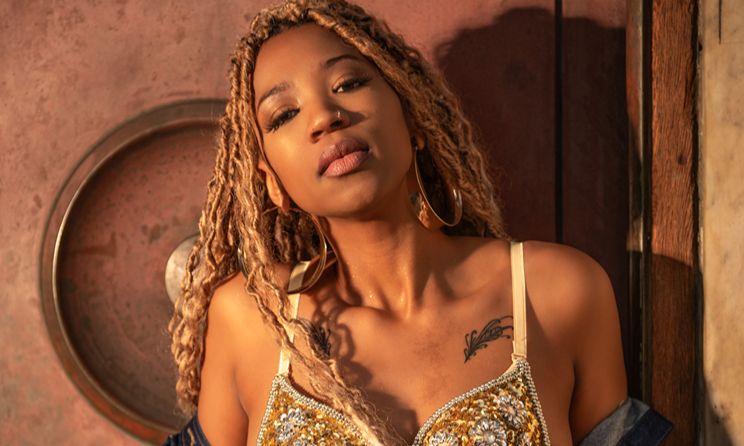
Music In Africa Gender @ Work is a three-year training programme aimed at upskilling and increasing the participation of female professionals in the African music sector. Launched by the Music In Africa Foundation (MIAF) in April 2019, the programme is connected to the MIAF’s ACCES music conference – a pan-African event held in a different African country every year. This connection enables the programme to reach new participants in a different African country every year. The programme marks the beginning of a more concerted effort by the Foundation to support the participation and inclusion of women in all facets of its programmes and the music sector in Africa as a whole. Over the three years, the programme will aim to address gender imbalances in the sector through training, lobbying, facilitating knowledge exchange and dialogues that foster the interest of women. The broader objectives of the programme are to: Provide industry training for women on critical music industry skills, focusing on: Stage management Electronic music production and recording Music business management Technical knowledge Provide an opportunity for both professional and aspiring women to benefit from the Music In Africa network and its broad range of activities in 2019, 2020 and 2021. Provide a solution-based platform in the form of a round table at ACCES with a view to identify challenges, discuss opportunities and lobby for the interests of female practitioners. Offer participants the opportunity to benefit from programmes offered by MIAF’s partners. Increase access to educational materials. Integrate participants in the broader ACCES programme to maximise experience and exposure to the industry. Record and present training materials on the www.musicinafrica.net, including but not limited to tutorials, templates and other best-practice materials. Communicate women-based themes that support the initiatives and messages of the programme. MAIN TRAINING ACTIVITIES Training in first country (Ghana): In the first year, participants will be trained on all aspects of stage management by a team of experienced stage managers from 10 to 17 November 2019. The programme will offer robust classroom training as well as practical, hands-on training in which participants will also be given the opportunity to manage various aspects of the ACCES performance programme. Training in second country: The second training iteration will take place at ACCES 2020 when the programme will diversify its course to include music production lessons and training on other music business topics. A round-table platform will also be introduced to coincide with the ACCES programme. Training in third country: The third training iteration will take place at ACCES 2021 in a different country, offering an advanced course. HOW DO YOU GET INVOLVED?  As a participant, facilitator or trainer: The programme enrolls up to 12 trainees every year. All opportunities are advertised publicly on this website, and will be added to this page. Please keep checking this page for new calls (below under UPDATES & CURRENT OPPORTUNITIES). As a partner Please contact Claire Metais at [email protected]. APPLY The call for applications for 2020 will be announced soon. The Music In Africa Gender @ Work programme is made possible with the support of the Prince Claus Fund, Siemens Stiftung and Goethe-Institut.

Sound Connects Fund
Sound Connects Fund

For cultural and creative practitioners and organisations operating in southern Africa, access to funding remains a major challenge. The COVID-19 pandemic has also had a massive impact on government policy, spending and the economy in general, and has seen spending on culture being moved further down the list of priorities. Further, the cultural and creative industries repeatedly cite four main areas where investment is needed for growth, which are increased visibility, mobility including access to new markets, finance and support structures.

Instrument Building And Repair Project

Experience the Vibrations African Instruments Exhibition online in 3D

Features

Spotify is out of its depth with new policy

14 May 2018 - 15:47

cc-img flag-img

Streaming service Spotify last week announced a new policy directed at culling music that promotes hate speech from its promoted and algorithmic playlists. The policy further extends to artists who have participated in "hateful conduct".
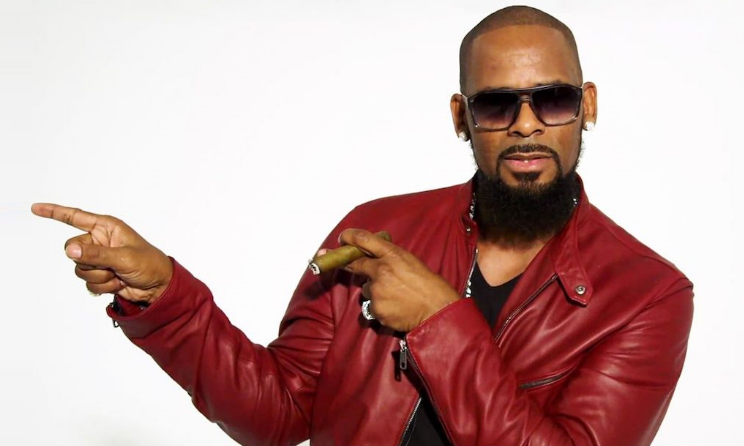
R Kelly is the first artist to have music removed from Spotify-curated playlists due to 'hateful conduct'.

This after US musician R Kelly was the first casualty of the company's Hate Content and Hateful Conduct policy amid allegations that the R&B artist is the mastermind behind a sex cult as well as incidents of indecent sexual conduct dating back to the early 1990s. Apple Music and Pandora also followed suit and removed R Kelly from their playlists due to mounting pressure from social justice group Time's Up Now.

But Spotify’s new policy does not set out the exact criteria it will employ going forward and in the process has raised a number questions among its users.

“We believe in openness, diversity, tolerance and respect, and we want to promote those values through music and the creative arts,” the opening paragraph of the policy reads.

“This policy is designed to do that, consistent with our distinct roles in music and media – from distribution to promotion to co-creation. That’s why we do not permit hate content on Spotify, and remove it whenever we find it.”

Here Spotify has an issue with differentiating between 'content' and 'persona'. Grouping R Kelly's alleged sexual deviancy and his music is dubious. That would be like Netflix publicly saying that it doesn’t want anything to do with Mel Gibson, Roman Polanski or Wood Allen's films.

To uphold its policy, Spotify says it is consulting with various social justice groups such as the Southern Poverty Law Center, the Anti-Defamation League, Colour of Change, Showing Up for Racial Justice, Gays and Lesbians Alliance Against Defamation, Muslim Advocates, the International Network Against Cyber Hate as well as Spotify AudioWatch, which is the Swedish operation's internal content monitoring tool.

One question that has been raised is whether Spotify should align itself with the views of groups that have their own agenda to promote. Another is why Spotify is taking a censorship role when many of its users would prefer the company to be a service provider of musical content without an editorial stance.

“We don’t censor content because of an artist’s or creator’s behaviour, but we want our editorial decisions – what we choose to programme – to reflect our values,” the policy says.

In the case of R Kelly, the artist has been censored regardless of how Spotify tries to bend logic. Editorial decisions are inherently subjective, which is a main tenet of censorship. The above clause might as well read: "We don't really censor... But only depending on how we feel on a given day, and on what advocacy groups dictate to us when they have a bone to pick with the next publicly disgraced figure."

Spotify is also digging a rabbit hole for itself. Where does hateful conduct begin and end and what gauge should we be using to measure this? If tolerance and respect are core values at Spotify, then hip hop is in big trouble: millions of songs thrive on misogyny and negative attitudes towards women. What about Michael Jackson and allegations of paedophilia and Okmalumkoolkat's sexual assault case in Australia? Currently, Okmalumkoolkat's song ‘Gqi’ is still featured on the Gqom Powerhouse Playlist, which is curated by Spotify. Consistency would be impossible and it seems that some artists targeted by influential groups would find themselves in much hotter water than others. It's just inconceivable that Spotify would be able to police all its 'content' unless the company is pressured by external forces such as the aforementioned organisations.

It follows that Spotify could have published the policy so not to find itself in the bad books of these organisations. It would certainly be bad business practice to be branded an enemy of a social justice group. There's no other reason for a company on a rampant expansion drive such as Spotify to get involved in the R Kelly controversy. There is no business sense in that whatsoever.

Although it's highly possible that R Kelly is the miscreant that his accusers say he is, Spotify and other streaming platforms should try their utmost not to get involved in ideologically charged situations, although it's probably impossible for a company of its stature not to be drawn to various battlegrounds.

It must also be said that despite the questionable policy drafted by Spotify, the work that has been done by Time’s Up Now to highlight social injustice cannot be disqualified as an important movement. It must be commended for exposing sexual predators in the entertainment industry. But that doesn’t mean social justice organisations should burden private streaming companies with forwarding their agenda, as seems to be the case here. Judicial systems exist for a reason. Justice shall be served with or without 'playlist shaming'.

Music In Africa encourages freedom of speech and expression of diverse views. The views in this article are the author's and do not necessarily reflect those of the publication.

Please log in to post a comment.

Most popular

Disclaimer: Music In Africa provides a platform for musicians and contributors to embed music and videos solely for promotional purposes. If any track or video embedded on this platform violates any copyrights please inform us immediately and we will take it down. Please read our Terms of Use for more.

newsletter banner

Subscribe to our monthly Newsletter

Follow us on social media