

























































Tanzania is one of the countries where the government has ensured strict measures to limit free expression, blocking any criticism, and disregarding the right to question under the pretext of maintaining “national security”. Still, some musicians are trying to push back against the tightening restrictions, making civil demands louder.
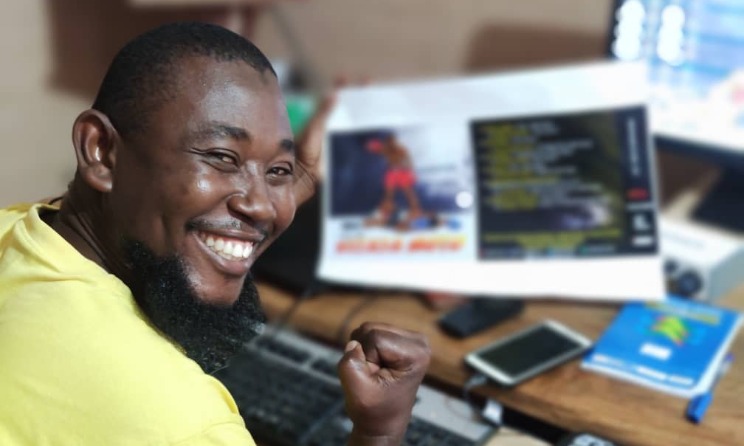
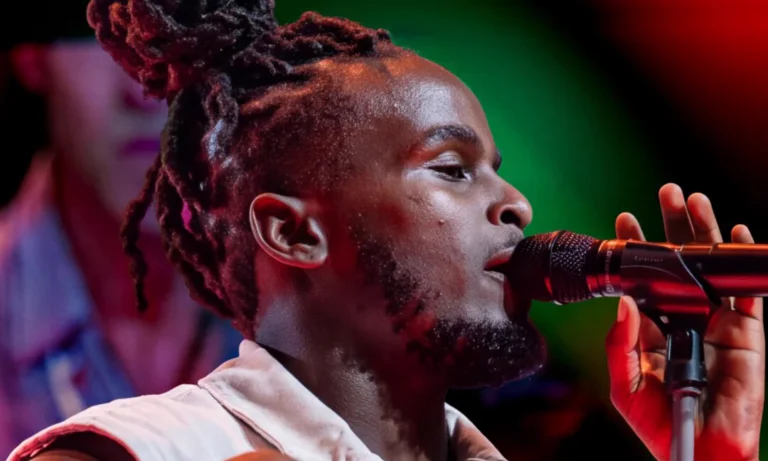
Rapper and activist Nash MC is one of these musicians. He has made a name for himself in the East African underground hip hop scene for over two decades thanks to the emergence and expansion of social media and other expressive platforms not easily controlled by the state. His music is driven by a need to instigate important conversations in the communities. The 36-year-old continues with this trend by delivering an important piece of social commentary in his new song, ‘Tasnia’ (Industry).
Here are the issues raised by Nash MC in ‘Tasnia’.
It pays to endorse the government
Political affiliation is a means to an end for many musicians worldwide. Politicians often rely on popular artists to attract crowds during campaigns or public meetings. In Tanzania, these musicians are not expected to be critical of their politics and have over time gained favour with the ruling party, Chama Cha Mapinduzi. Those that do not embrace this trend are seen as supporters of the opposition and suffer the consequences. A case in point is when rapper Roma Mkatoliki, famed for his anti-government songs, was abducted in April 2017 by four unknown armed men, tortured and then dumped near the ocean in Dar es Salaam three days later.
“There are artists that often get away with sharing content not fit for public consumption as stipulated by BASATA [the national arts council] because they are seen to be above the law due to their affiliation to the ruling party,” Nash MC says.
“The ruling party uses these artists during campaigns or public gatherings to gain political mileage. In return, they are free to release music and perform as they please, and when found to be at fault for sharing indecent content, they receive a mare warning. However, when other musicians commit a similar offence, their songs are banned or their license to perform revoked for a while. Musicians can be affiliated with any political party but they must not sell their souls. The industry cannot progress in its current state.”
Political interference in the broadcast system
Nash MC mentions that his song ‘Kaka Suma’, released in 2013, was banned from radio because the government was displeased with its message against the then hiked fares in public transport systems. The rapper says there is no such thing as independent media – there is biasness, depending on which political party the media operates within and the personal preferences of the reporters and producers.
“The government controls much of the media content that is consumed by the public,” he says. “Some of us are like the old prophets – accepted everywhere except back home. Several artists make socially conscious music, but you will never hear them on the radio. Those claiming to be activists receive airtime because they are on the government payroll and are only seeking celebrity status.”
“But others like Vitali Maembe who do not bear the celebrity status are on the government’s radar; he has been arrested, beaten and accused of incitement for his music, which has on several occasions mobilised people on the grassroots level. His decision to be vocal regarding social-political issues is admirable. His courage is exemplary.”
Hip hop is alive and well
Bongo flava, the country's mainstream music, is taking the region by storm and its artists enjoying commercial success mainly because of media support and corporate sponsorships. Nash MC speaks of how these artists use controversy and nudity to gain traction. Although common in other African countries like Nigeria, it is a trend the Tanzanian entertainment industry has fully embraced.
“Besides video vixens paid to show off their bodies in music videos, actresses and female musicians do not hesitate to show off their bodies in their music videos and films,” Nash MC says.
On the other hand, hip hop has a large underground community stunted by a lack of media support and venues promoting the artists. Nash MC says rappers mostly rely on the dwindling word of mouth method of building a fanbase, making attending the small gigs a personal experience. Some of these musicians are just as good as the rappers back in the day. Rappers like Mantiki Barz, Nala Mzalendo, Fivara and Jadah, lead the new school with MC skills that measure up to those before them, including Nikki Mbishi, Kurasa and Mansu Li.
“The reason many, including bogus-journalistic music “pundits,” think rap is dead is that what is on the mainstream is mumble and soft rap,” Nash MC says. “They pay attention to club rappers without much substance but use booming instrumentals to overlap their lack of lyrics.This type of music is shallow. A bit of research will reveal that hip hop is one of the genres with steady growth in Tanzania.”
“Hip is the knowledge, and hop is the movement. We are an underground movement, at our peak, and there are a ton of talented rappers who have a lot of potentials.”
Nash MC continues to nature young rappers through his Swahili and Art (KINASA) programme that provides a platform for emerging artists to showcase in various towns and cities. These artists can only use the Swahili language in their music.
There is a demand for more musicians to create art that reflects the people’s times and pulse. ‘Tasnia’ suggests that, as Tanzania moves forward, its musicians have a huge responsibility on their shoulders to create art that amplifies the state of the nation and ultimately improves the society that nurtured them.


Most popular

Top Naija songs of 2026
31 Mar 2026
Ghana: Mr Eazi and MOLIY’s ‘Comfort’ earns Urban Music Awards nomination
21 Oct 2026

Top Afrobeats songs of 2026
19 Mar 2026

Top amapiano songs of 2026
16 Feb 2026
Open call: CANEX Music Business Lab and Songwriting Camp
15 Oct 2026
Nigeria: CANEX WKND unveils 2026 programme
21 Oct 2026
Disclaimer: Music In Africa provides a platform for musicians and contributors to embed music and videos solely for promotional purposes. If any track or video embedded on this platform violates any copyrights please inform us immediately and we will take it down. Please read our Terms of Use for more.

Subscribe to our monthly Newsletter
Follow us on social media


Please log in to post a comment.