


























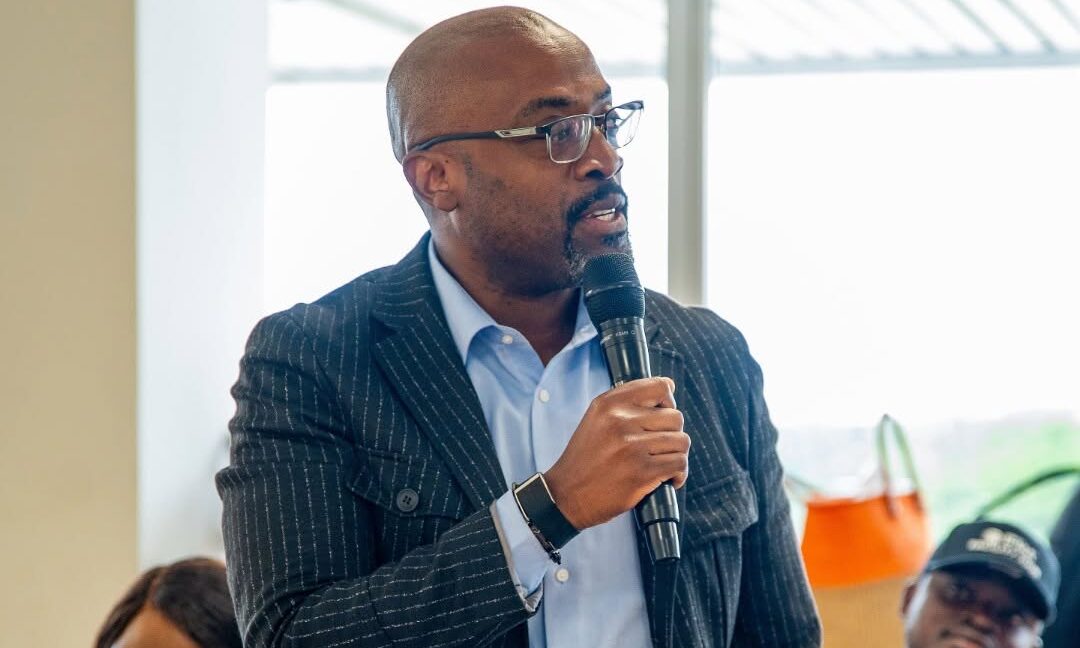





































Music In Africa spoke to Jeremiah and asked him to rank his top ten songs that define his unmistakable sound, which speak of oppression and ending poverty for minorities.
Jeremiah understands that all it takes is one idea and the right mix of determination and willpower to effect change in society.
The rapper has taken on an activist role both in the studio and as a leader in the community because he believes that the change needed by the society is not going to come from a politician but rather from people who are self-driven for change more so, musicians whose voices are loved and heard by the masses.
His flow is markedly different from the current hiphop dominating the mainstream media in the East Africa region. His composition leaves an impression to whoever listens to him.
Below are his top ten songs:
10. 'America'
The song is a message to Africans who feel ashamed of their motherland and believe that life abroad is better and easy. According to Jeremiah, other than the advanced infrastructures abroad, life is no better because just like in Africa, there are homeless and jobless individuals. Therefore, it is time to change the way we talk and think about Africa because the opportunities are endless.
9. 'Wale Wale' (Those Ones)
‘Wale Wale’ was released in 2013. It is a cry against the widening gap between the poor and the rich. He says as long as the number of those poor remains skewed, people will keep suffering unless the management of national resources is enhanced. He mentions the health and education sectors as key areas of concern.
8. 'Kijana' (Youth)
The song can easily pass for an anthem for the youth because it offers counsel on how to be successful in life. Jeremiah believes that society should guide the youth into focussing their energy towards areas that will help them build a prosperous life. On the other hand, the rapper challenges the youth to be active members of the community by participating in the local and national dialogue on development and the political process.
7. 'Simu ya Mwisho' (Last Phone Call)
Simu ya Mwisho is a song of separation and a one-way conversation between two former lovers. Jeremiah expresses his disappointment in his former lover and wishes her all the best in her new relationship. He says secrets and infidelity caused the breakup.
6. 'Usikate Tamaa' (Don’t Give Up)
No matter how carefully we plan, setbacks often arise when we least expect and leave us wondering how we'll ever recover. The song encourages people to not succumb to the reality of life's struggles and instead keep pushing themselves to great heights, keep thriving and the tide will turn.
5. 'Nchi ya Ahadi' (A Country of Promises)
The song was released towards the 2015 general elections in Tanzania. The right time for the lyrically and vocally powerful warning about the politician’s deception skill. The song was meant to challenge the public into demanding honesty and integrity from their leadership in exchange for their votes. The song was also meant to alert the politicians that the people know they never keep their promises and after the election never care very much about policy and development.
4. 'Wimbo wa Taifa' (National Song/Anthem)
Released in 2008, this was the first song by Jeremiah that made a powerful anti-government statement using a series of disconnected phrases and examples, which when internalised, formed an image of the rotten government system.
3. 'Wanandoto' (Dreamers)
The song was meant to bring to light and address the problem of street children and orphans in Tanzania to ensure their survivability and success in future. He says there is nothing as shameful as a whole generation of children abandoned to fend for themselves or exploited for commercial benefit.
2. 'Dear God'
If there was anything like Christian poetry, then this is it. Jeremiah’s unmistakable delivery and strong lyrical skill are unmistakable as he reflects on some of the different blessings, losses and challenges that he and the country have gone through.
1. 'Nisamehe' (Forgive Me)
The song portrays the battle for a women's right to her body and soul, and for her right to live a life that is safe from gender-based violence. He says activists and the society at large should highlight the seriousness and severity of gender-based violence and its impact on the well-being of communities and societies because most of the time, the victims are silent.


Most popular

Top Naija songs of 2026
31 Mar 2026

Top Afrobeats songs of 2026
19 Mar 2026

Ghana: Mr Eazi and MOLIY’s ‘Comfort’ earns Urban Music Awards nomination
21 Oct 2026

Top amapiano songs of 2026
16 Feb 2026

Open call: CANEX Music Business Lab and Songwriting Camp
15 Oct 2026

Nigeria: CANEX WKND unveils 2026 programme
21 Oct 2026
Disclaimer: Music In Africa provides a platform for musicians and contributors to embed music and videos solely for promotional purposes. If any track or video embedded on this platform violates any copyrights please inform us immediately and we will take it down. Please read our Terms of Use for more.

Subscribe to our monthly Newsletter
Follow us on social media


Please log in to post a comment.